What a Sober Coach Costs, and Which Post-Rehab Tasks They Handle
August 11, 2026

Key Takeaways
- Hourly sober coaching runs $75 to $400. Live-in companions run $1,000 to $4,000+ a day.
- The price gap tracks credentials, setting, and clientele in an unregulated field, not quality. Peer coaches cost less than those serving high-pressure clients.
- Live-in support costs the most in the first weeks after rehab, when relapse risk peaks, then tapers to hourly sessions.
- Intensive coaching ($200–$400/hour) fits the early transition. Maintenance coaching ($75–$200/hour) supports growing independence.
- The pricing mirrors clinical need: 24/7 coverage steps down to periodic check-ins as stability grows.
- Knowing the tiers keeps you from overpaying for coverage you've outgrown, or from cutting support before the high-risk window closes.
Quick Summary
The short version: sober coaching costs scale with how much of your day it covers. Intensive, live-in support straight out of rehab sits at the top, then steps down to hourly check-ins as you rebuild independence. That tapering is the point.
Price reflects scope and intensity. Once you understand how the tiers relate, you can match the right one to your current risk instead of paying for coverage you no longer need or dropping support before the risky window closes.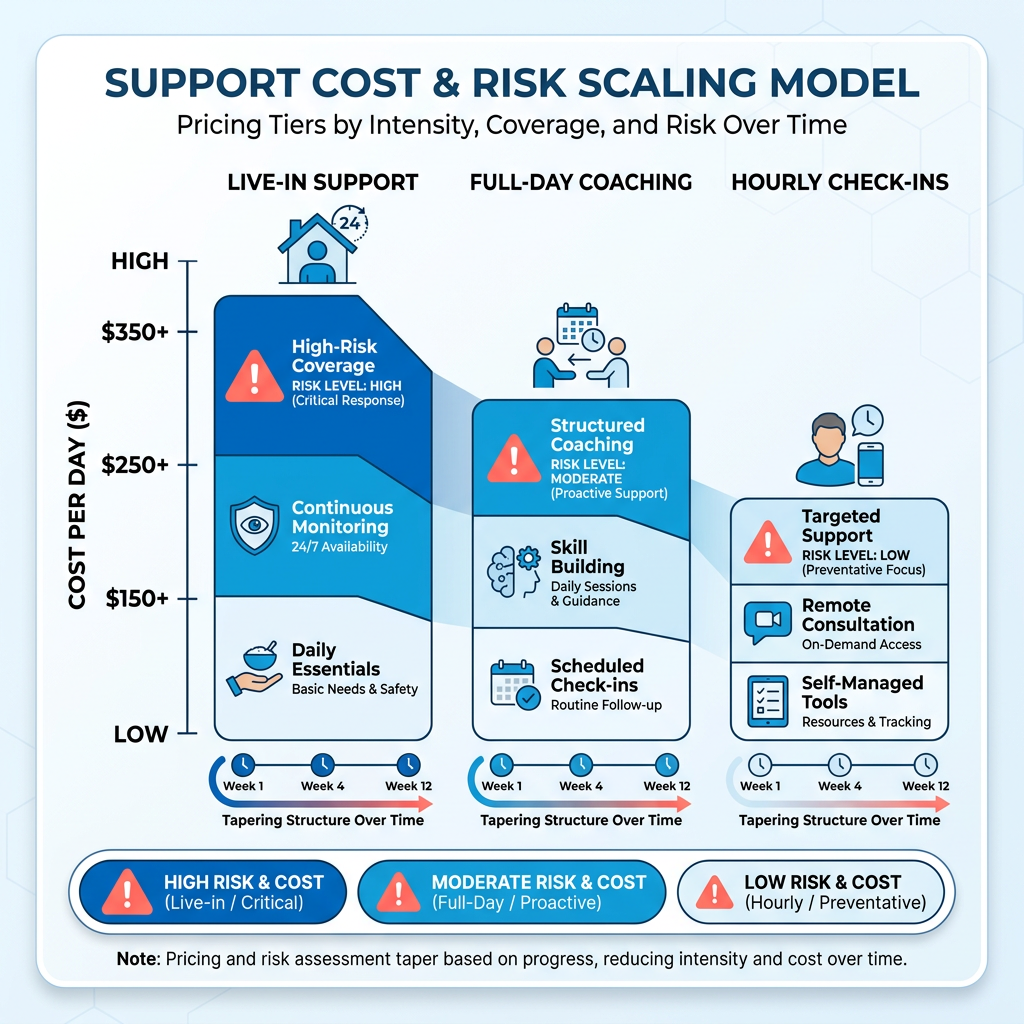
What a sober coach actually costs
Hourly coaching runs roughly $75 to $400. Live-in support runs $1,000 to $4,000+ per day. That wide hourly spread comes from an unregulated field where credentials, setting, and clientele all move the number.
Even the sources disagree. One provider puts hourly coaching at $200 to $400 per hour; another lists $75 to $200. Our read: peer-based coaches attached to sober-living programs land at the low end, and independent coaches serving high-pressure or affluent clients sit at the top. Price signals scope and setting, not skill.
| Support tier | Typical cost | Best for | Format |
|---|---|---|---|
| Live-in sober companion | $1,000–$4,000+/day | First weeks post-rehab, high relapse risk | 24/7, in-person |
| Intensive coaching | $200–$400/hr | Early transition, frequent check-ins | In-person or virtual |
| Maintenance coaching | $75–$200/hr | Building independence | Virtual or in-person |
Plan for one more thing: sober coaching is not covered by most insurance, so it comes out of pocket. Fold that into the decision early.
What the work covers day to day
A coach handles the practical follow-through treatment can't teach you to do alone. Routine building, accountability, crisis and detox planning, and company during high-risk moments. Coaches are not therapists and don't replace clinical care.
The job runs two tracks: intervention and crisis management up front, then steady coaching through reintegration. In practice that can mean coordinating with nursing support, grocery shopping, meal prep, and getting you to the outpatient appointment you'd otherwise skip.
The step-down tier is where the money works
Here's the gap most people miss. Intensive engagements typically last 28 to 60 days, but 65 to 70% of relapses happen inside the first 90 days.
Do the math. The most expensive support routinely ends 30 to 60 days before the highest-risk window closes. The step-down tier keeps structure in place through the stretch where willpower alone tends to break down.
Skip the daily companion tier if you already have stable housing and strong follow-through. Pay for it when the first weeks out feel genuinely unsafe. Match the tier to the risk, and the cost sorts itself out.
Why Sober Coaching Matters
Most people leaving treatment don't relapse for lack of willpower. They relapse because the structure that held them together in rehab vanishes the second they walk out the door. Sober coaching fills that gap, and the early months are where it earns its keep.
It comes down to timing. Cravings, sleep disruption, and mood swings spike hardest in the first few weeks home, exactly when someone is also juggling work, family, and ordinary logistics. A scaling model matters because the intensity you need on day 5 is not the intensity you need on week 8.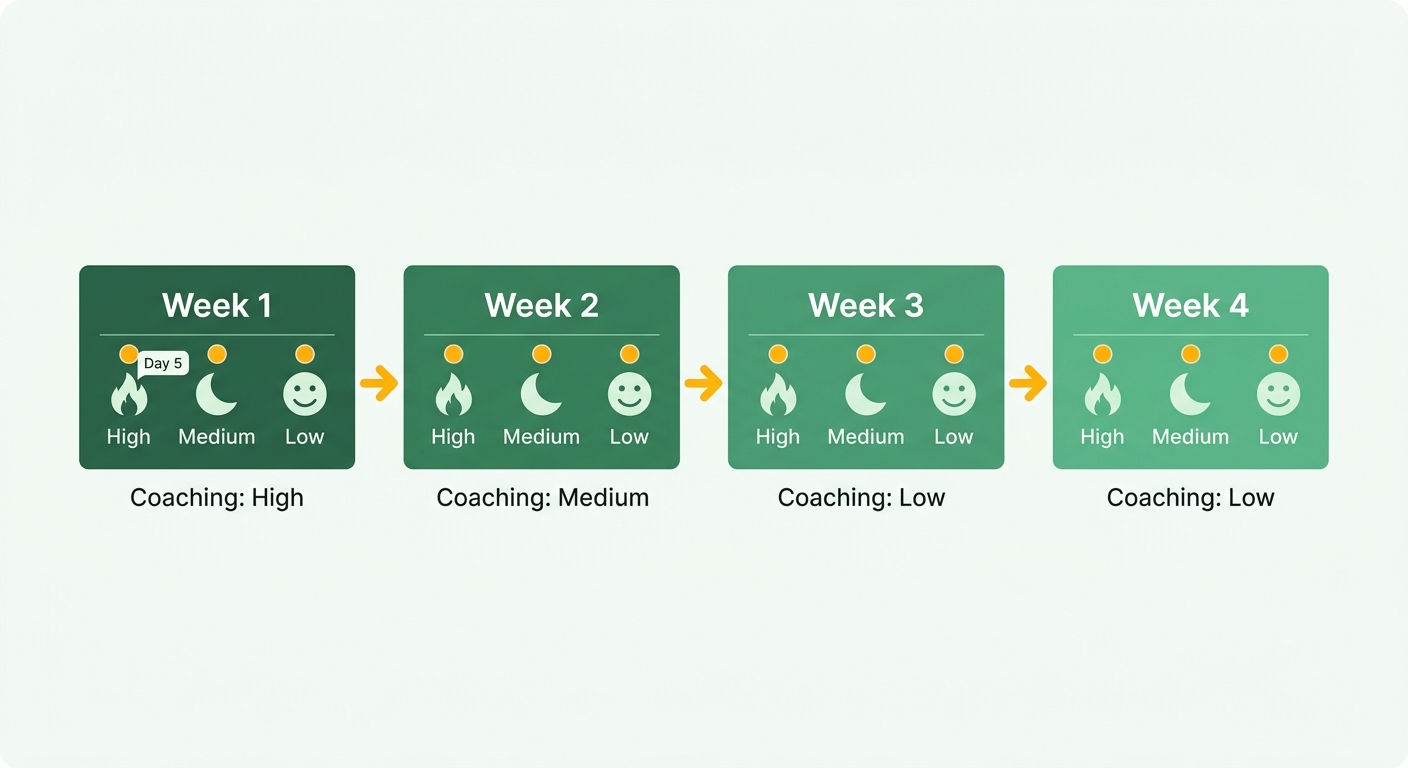
What sober coaching actually solves
It solves the daily-life problems therapy doesn't touch. A coach helps you rebuild routines, stay accountable, and handle the ordinary triggers that show up between appointments. Recovery.com's breakdown calls this emotional, informational, instrumental, and affiliational support, which is a clinical way of saying they help with everything from goal-setting to finding sober housing.
The role is peer-based, not clinical. SAMHSA treats it as an evidence-informed complement to treatment, and as Williamsburg House explains, a coach can't diagnose or prescribe. They offer "supportive assistance rather than directives." That line keeps the cost below clinical care while covering the hours clinicians never see.
Who gets the most out of it
The biggest beneficiaries are people with a relapse history and those facing a high-pressure return to daily life. Doug Caine of Sober Champion works specifically with clients who've relapsed at least three times after treatment, according to The Cabin's reporting. If you've cycled through rehab before, intensive early support isn't a luxury. It's what breaks the pattern.
Families benefit too. When someone comes home, the household usually ends up watching for warning signs. A coach lifts that job off the family, so relationships can heal instead of turning into surveillance.
Why the step-down structure is the real value
Live-in engagements are billed as a flat daily rate, which is why they get expensive fast and why most clients can only sustain them for a short stretch. But risk doesn't drop the day the coach moves out. It fades gradually over the weeks that follow.
That gap is the argument for hourly, step-down coaching as a deliberate bridge rather than an afterthought. At MADE, support tapers on purpose as clients find their rhythm, instead of ending cold. As the intensive phase winds down, clients shift to lighter check-ins that hold accountability at a fraction of the daily rate. Not going it alone matters most right when the intensive phase ends.
Financially, tapering keeps the whole investment manageable. Cut hours as self-reliance grows and you keep a safety net without paying for full-time supervision you no longer need.
Tasks Handled by a Sober Coach
Leaving rehab hands you a to-do list nobody prepped you for. Coaching covers that list, and the tasks change as you move from your first week home to your third month back at work. That shift is exactly why a team-based model priced by intensity beats a flat retainer.
The work is practical, not clinical. As Futures Recovery explains, coaches focus on implementation, not therapy. They help you put recovery strategies into real life. In our experience the work splits into three buckets: getting you through the transition, managing crises when they hit, and building the daily structure that eventually makes coaching unnecessary.
What transitional coaching involves
This is the hands-on support that bridges a structured facility and your own front door. It's the most task-dense phase. A coach helps you re-enter work, rebuild routines from scratch, and manage the details of settling back in.
The clients who need it most aren't who you'd expect. The Cabin reports that sober companion Patty Powers works with people ranging from those avoiding rehab entirely to those needing help getting home, while founder Doug Caine takes employer referrals from high-pressure fields like Wall Street. Same service, very different task loads.
That's the case for a scaling model. Someone re-entering a demanding career needs heavier coverage than someone easing into a quiet routine. You pay for the intensity the moment demands, then step down as the tasks get lighter.
How coaches handle crisis moments
Crisis management is real-time support during high-risk moments: social events, travel, sudden cravings. This is where consistent, coordinated coverage earns its cost. Addicted.org notes that immediate intervention from a companion helps clients avoid relapse in vulnerable windows.
Here's the tension we work around. Short-term intensive support often wraps up while the riskiest stretch of early recovery is still active. A team-based approach solves it. Clients can lean on one dedicated coach or a coordinated team, so when one coach steps back, another stays reachable for the moments that matter.
Routine, nutrition, and ordinary structure
Most of recovery is ordinary. Coaches help with routine building, meal planning, sleep, and the accountability that keeps sober strategies from slipping. That practical focus lines up with the guidelines from Williamsburg House, which frame peer support as reinforcement for clinical care, not a replacement.
Nutrition matters more than people assume. Steady eating habits stabilize mood and energy, which blunts craving spikes. A coach who plans meals with you is doing relapse-prevention work in disguise.
Virtual check-ins carry this later phase cheaply. Once you're independent, you don't need someone in the room. You need a scheduled call and honest accountability. That's the tier where costs settle, and where packages that evolve with your needs match coverage to what your week actually requires.
The Role of Accountability and Guidance
Accountability is the part willpower can't replace on its own. When you leave treatment, nobody's checking whether you made your meeting, took your call, or stayed out of the bar at your cousin's wedding. A coach reintroduces that structure, and how they do it changes as your risk drops. That's why a scaling model prices accountability by intensity instead of one flat rate.
Here's the distinction that matters. A coach doesn't give orders. The relationship is collaborative, not coercive, built on shared goal-setting and problem-solving. Recovery.com's material backs this up, showing how peer relationships foster self-determination and bridge people toward traditional treatment. You're not being managed. You're being witnessed by someone who has walked the same road.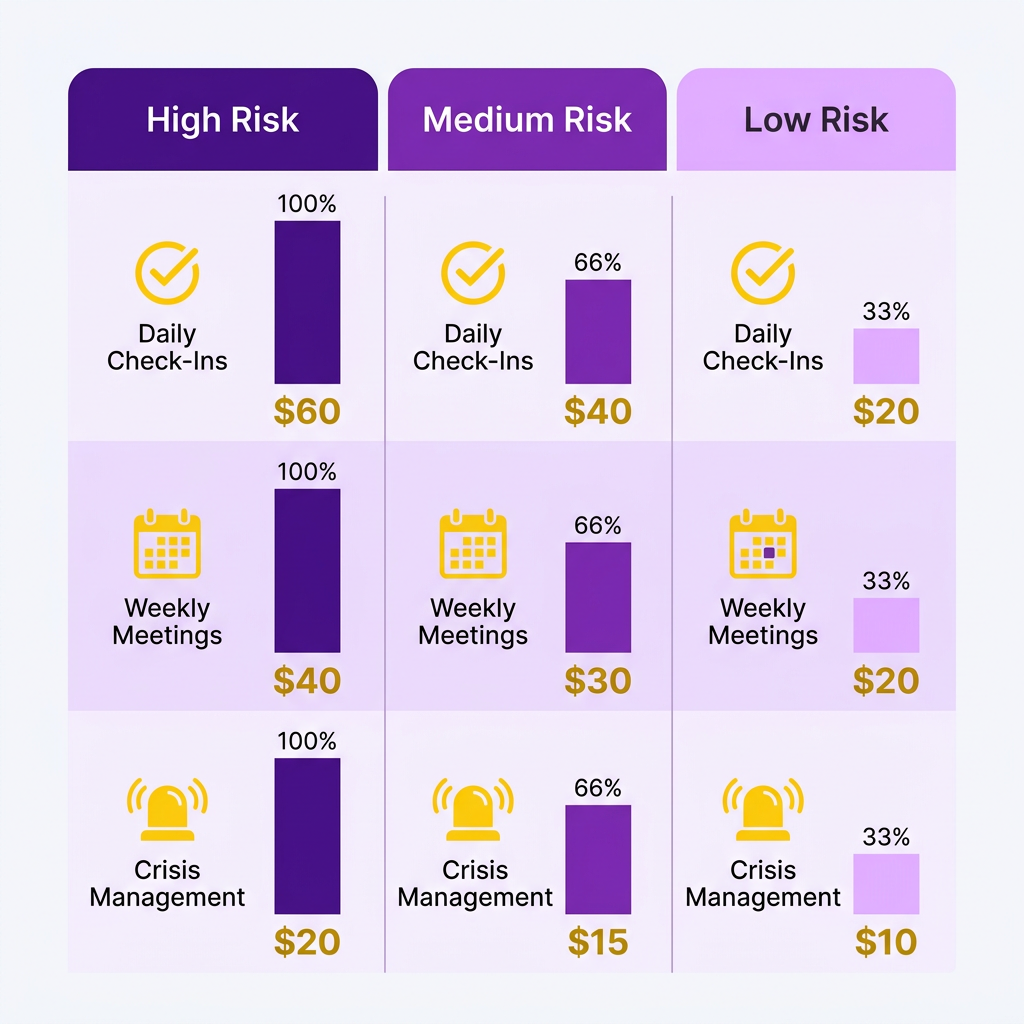
Why accountability keeps people sober
It works because it closes the gap between intention and action. You plan to stay sober. A coach makes sure the plan survives contact with a bad Tuesday. In our experience, the clients who stay engaged with regular check-ins are the ones who get through the messy early weeks without spiraling on a single slip.
The support adapts to where you are. Early on you might need hands-on help with daily logistics and emotional grounding at once. Later, maybe just a weekly call to talk through a work conflict. The cost tapers because the frequency and length of those touchpoints drop as your self-reliance grows. That flexibility is what keeps people engaged long-term without unnecessary financial strain.
How guidance helps in high-risk moments
Guidance is accountability applied in real time. It's the coach helping you decide whether to go to the party, and building an exit plan before you walk in. Companions are most involved during high-risk situations like social events and travel, while recovery coaches provide scheduled support for longer-term growth.
That split is the whole logic of tiered pricing. In-the-moment guidance costs more because it eats more of the coach's day. As your judgment strengthens, you step down to scheduled sessions and pay accordingly. The goal is to make yourself progressively less dependent on the expensive tier, not to keep you locked into it.
What human connection actually buys you
Trust is the thing you can't fake, and it's what makes the guidance land. A coach's advice only works if you believe they get it. That's why lived experience matters more than formal credentials in this field.
Connection also drives results. Caron reports a 95% recovery rate at 30 days post-treatment among clients with ongoing support. Numbers like that come from relationships, not spreadsheets. It's why our programs offer support from a single dedicated coach or a coordinated team, so the structure fits the level of care you actually need.
Real-World Examples and Case Studies
Long-term sobriety rarely comes from one heroic push. It comes from support that adjusts as your risk changes, and real engagements bear that out. Look at how actual coaching arrangements are built and the pattern holds: the most intensive help clusters right after rehab, then thins as clients rebuild their footing.
The cost data quietly says the same thing. Coaching engagements often run a set course rather than an open-ended contract, and the shape of that course shows you where the money and the risk really sit.
What a real coaching engagement looks like
Most intensive engagements are short and front-loaded. Per The Cabin's reporting, personalized coaching is designed to cover the critical initial transition, with live-in support structured for constant supervision during the highest-risk phase.
For clients with a history of multiple treatment attempts, that high-touch support is often what breaks the cycle. Other coaches, including some contracted to entertainment-industry clients, get hired specifically to cover high-pressure stretches like tours, premieres, or travel.
And here's the tension again. An intensive engagement often ends while the riskiest part of early recovery is still in play. The step-down to hourly coaching isn't a downgrade. It's the bridge that carries you through the months after the expensive tier ends. Paying for round-the-clock support past the point you need it is just as wasteful as cutting it too soon.
How ongoing support prevents relapse
Ongoing aftercare works because it targets the exact moments willpower fails. Recovery.com's overview notes that some rehab centers build recovery coaching directly into aftercare, extending support past the discharge date rather than ending it there.
As Addicted.org explains, the level of involvement sets the cost. A companion's continuous presence commands a premium, while a recovery coach's scheduled sessions offer a more affordable way to hold accountability over the long haul.
We see this play out. A client might move from daily check-ins during their first month home to twice-weekly virtual sessions once they're back at work. The cost drops at each step because the coverage hours drop, matching their growing independence.
When a sober coach is the wrong call
Skip the standalone coach if it's replacing clinical care. The Cabin is blunt: hiring a coach is not a guaranteed fix and should sit inside a broader plan with counseling and support groups.
The field also has no standardized credentialing, so quality varies widely. If you're weighing options, our initial consultation assesses your needs and builds a customized, team-based program that evolves as those needs change. Match the tier to your current risk, and the spend follows the need.
Finding the Right Sober Coach
The right coach is the one whose support level matches where you are in recovery, not the one with the flashiest credentials or the highest day rate. Because the field is unregulated, vetting falls on you. That's the catch: Caron's overview notes it isn't regulated like therapy, so qualifications swing widely from one provider to the next.
We tell people to start with a simple question. How much of your day actually needs covering right now? Someone stepping out of residential care needs different support than someone six weeks into independent living. In our experience, the fit problem and the cost problem are the same problem. Match the intensity and the price sorts itself out.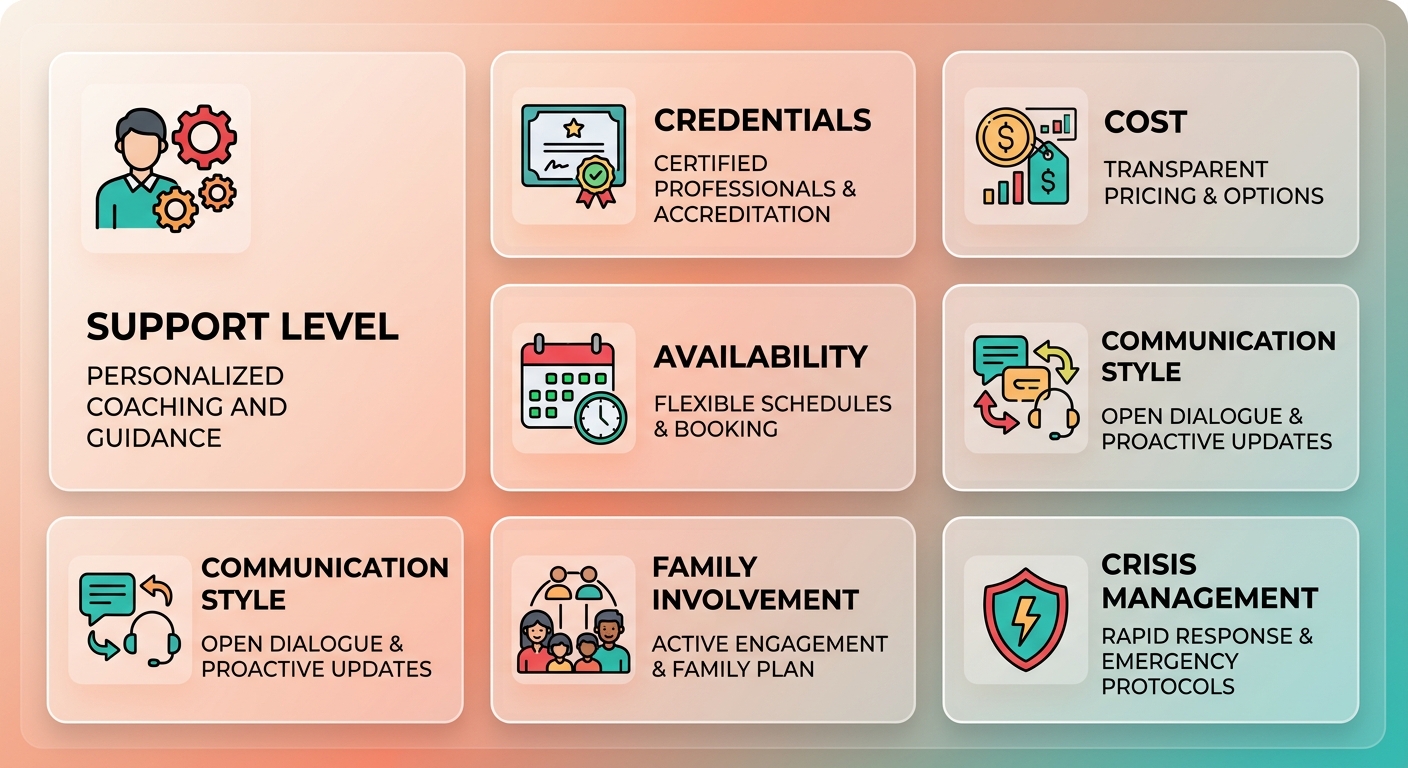
What to look for in a coach
Look for lived experience first, professionalism second, and a written agreement always. A coach's value comes from real recovery experience and practical follow-through, helping you handle real-world triggers rather than analyzing clinical issues.
A good coach stays in the lane of practical support. They draw on their own recovery to help you set goals and build action plans, without trying to replace your therapist or manage your medication.
Two red flags end the conversation for us. First, any coach who guarantees outcomes. Second, the absence of a written agreement. Williamsburg House flags both as warning signs, and we agree. Recovery has no guarantees, and anyone selling one is selling something else.
How to evaluate a coaching service
Ask what happens as your needs shrink. A service built around one flat retainer bills you for coverage you'll outgrow. Services that deliberately taper support as clients gain independence keep the spend tied to your actual risk. That tapering is where the money works in your favor.
Watch for coaches who fold transportation, meal planning, or appointment coordination into their base fee versus those who charge for each add-on separately. The bundled model works if you need comprehensive daily support. The itemized approach saves money once you can handle logistics yourself but still want accountability check-ins.
Before you commit, ask these directly:
- What's your recovery background, and how long have you coached?
- Do you work solo or as part of a team that can scale support up or down?
- How do you coordinate with my therapist or treatment center?
- What does the engagement look like at day 5 versus day 60?
- Is everything in a written agreement, including how we end it?
A coach who answers plainly, respects the clinical line, and prices support to your changing needs is worth more than a big name at a fixed rate. Start by matching the tier to today's risk, then let it taper as you rebuild.
References
[1] Sober Coaching: How It Works, Key Benefits,… - https://www.caron.org/addiction-101/treatment-advice/sober-coaching
[2] What Is a Sober Coach? | Benefits, Costs, and ... - https://futuresrecoveryhealthcare.com/alcoholism/what-is-a-sober-coach/
[3] What Price do you Put on Sobriety Sober Coaches cost , ... - https://www.thecabinchiangmai.com/what-price-do-you-put-on-sobriety-sober-coaches-cost-1000-dollar-per-day/
[4] How Much Does a Sober Coach Cost in 2025? - https://activerecoverycompanions.com/cost-of-sober-companion/
[5] 21 Best Recovery Coaching in Colorado (With Pricing) - https://recovery.com/colorado/recovery-coaching/
[6] The Role of Sober Coaches in Addiction Recovery - https://recovery.com/resources/sober-coaches-in-addiction-recovery/
[7] What Is a Sober Coach? Definition, Role, and How to Choose - https://williamsburghousenyc.com/the-blog/what-is-a-sober-coach
[8] Sober Companion and Recovery Coach - https://www.addicted.org/after-treatment/support-programs/sober-companion-and-recovery-coach/
Frequently Asked Questions
1. How long should I keep a live-in sober companion before stepping down to hourly coaching?
Many clients transition to hourly coaching after the first month or two. Because the risk of relapse remains elevated throughout the first 90 days post-treatment, stepping down to hourly check-ins rather than stopping support entirely ensures you maintain accountability through this critical window without paying for round-the-clock coverage you no longer need.
2. Can I use insurance to cover any part of sober coaching costs?
Because peer recovery support is classified outside of clinical medical care, these services are almost exclusively self-funded. When planning your post-rehab budget, you should prepare to cover these expenses out of pocket, utilizing a tapering model to keep the long-term costs manageable.
3. What's the difference between a sober companion and a recovery coach in terms of what they actually do?
A sober companion provides continuous, side-by-side presence to help you navigate immediate triggers in your environment. A recovery coach operates on an appointment basis, helping you establish daily structures and long-term habits. The companion's higher cost reflects the intensive, round-the-clock nature of their physical presence.
4. If I've never relapsed before, do I still need intensive coaching right after treatment?
Not necessarily. Intensive coaching is designed for those facing high-stress transitions or managing a history of multiple relapses. If you have a stable home environment and solid local support, starting directly with lower-tier maintenance coaching can provide sufficient accountability without the expense of intensive coverage.
5. How do I know if a sober coach is qualified when the field isn't regulated?
Focus on their track record and professional boundaries. Ask about their specific experience supporting clients with similar backgrounds, how they handle emergency situations, and how they coordinate with clinical professionals. A qualified coach will always provide a clear, written agreement and respect the boundaries of non-clinical peer support.
6. What happens if I need more support after my initial coaching engagement ends?
You can adjust your support level upward if you encounter new stressors. Flexible services allow you to increase check-in frequency or temporarily return to a higher tier of care. Ensure your initial agreement outlines how adjustments to your support plan are handled and billed.
7. Should I hire a sober coach if I'm also attending outpatient therapy and support groups?
Yes, because they target different areas of your recovery. While therapists address underlying psychological issues and support groups offer community, a coach helps you execute your recovery plan in real time, assisting with daily routines and immediate triggers. They act as the practical bridge that helps you apply clinical insights to your everyday life.