How a New Social Circle Supports Recovery
October 24, 2026

Why a New Social Circle Supports Recovery
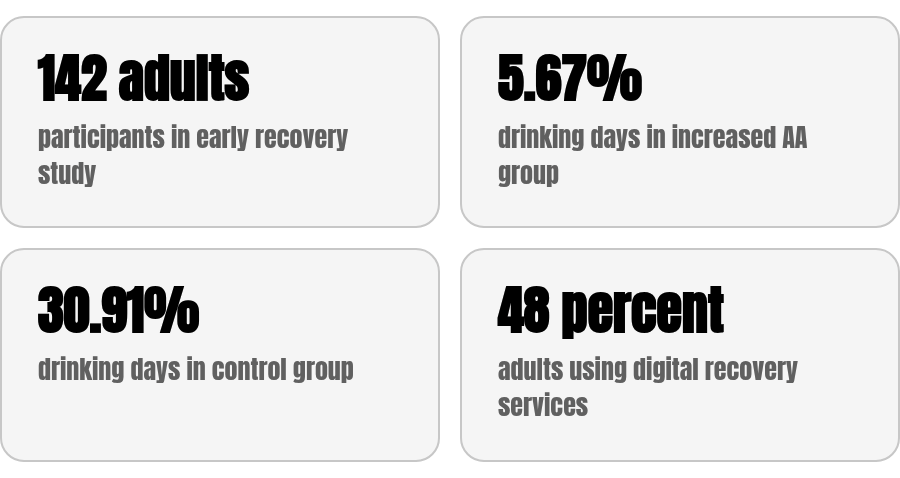
When you step out of treatment, the social landscape looks different. A study tracking 142 adults in early recovery found that those who increased their Alcoholics Anonymous attendance by at least one meeting per week had drinking days of just 5.67% compared with 30.91% in the control group after six weeks. Heavy drinking days dropped to 5.21% versus 23.32%. The shift wasn't about willpower. It was about who they spent time with.
Social support operates on multiple levels. Research on 229 people in 42 recovery homes showed that a person's perception of support matters even when that support comes from someone who isn't abstinent. Your network doesn't need to be perfectly sober to be helpful. At the house level, the picture changes: social support becomes more sensitive to outside influences, and stress showed a positive association with support. Recovery housing is one way to put this house-level support into practice before you live fully on your own. It is not clinical care, but a structured peer environment where shared responsibilities, peer accountability, and daily routines become part of the house culture. The same safeguards apply: support can be helpful even when it is imperfect, but outside influences still require boundaries and regular review.
Where Recovery Networks Fill the Gaps
The transition home creates voids that a supportive circle can fill: routine, purpose, accountability, and emotional safety. Family support and friend support can both help recovery. Twelve-Step involvement is consistently associated with stronger readiness, goal-setting, and abstinence outcomes. A 2021 report links peer-based support resources with decreased substance use, stronger aftercare engagement, and stronger community connections.
Clients struggle when they return to pre-treatment circles where drinking or using is the norm. During the 2020 lockdowns, over 40% of American adults reported increased mental health issues—a reminder that isolation can worsen the conditions that make relapse more likely. A recovery coach can help you map which relationships support recovery and which ones need boundaries. That might mean temporarily stepping back from a lifelong friend who was your party companion, even if they care about you. Your sobriety comes first.
Building a new circle takes time. Integrating even a single sober friend into your primary network is one step, but the value comes from the quality and consistency of those relationships. You're not replacing everyone overnight. You're adding people who prioritize recovery-aligned activities, shared interests, and personal growth over substance-centered rituals. The goal is a distributed network that reduces the risk of relational burnout and codependency.
Summary
- Recovery-focused relationships can provide routine, purpose, accountability, and emotional safety after treatment.
- Support does not have to come exclusively from people who are abstinent, although relationships that consistently expose you to substance use may require firm boundaries.
- Twelve-Step groups and other peer communities offer structure, shared experience, and opportunities to build trust.
- Isolation can worsen mental health and leave people more vulnerable to relapse.
- Digital meetings, group chats, and in-person communities can work together as a flexible support system.
- A sustainable circle changes over time, with support becoming more or less intensive as circumstances and stability change.
How to Find and Connect with Recovery-Focused Peers
Most people leave treatment with a discharge packet and little sense of how to actually walk into a room full of strangers and say, "I need help."
Start with local mutual-aid meetings that explicitly welcome newcomers. Alcoholics Anonymous, Narcotics Anonymous, and SMART Recovery all hold open sessions where you don't need to speak, sponsor anyone, or even share your story on day one. Structured peer groups can offer something informal relationships often cannot: a regular setting where recovery is understood and participation is expected. One study on cocaine-dependence recovery showed that 12-step involvement predicted percent days abstinent. That level of impact doesn't come from passive attendance. It comes from showing up weekly, working through the steps, and building relationships with people who understand the daily grind of staying sober.
Find Groups That Match Your Life Stage
Not every meeting fits every person. Young People in Recovery, Women for Sobriety, and Wounded Warrior Project Peer Support all serve specific populations with shared experiences. The Luckiest Club runs online community sessions for people who want digital connection alongside in-person meetings. According to a 2021 study cited in recovery literature, 48 percent of adults in recovery use digital recovery support services alongside in-person services—a signal that hybrid models have become common.
Search Meetup or Facebook Events for "sober hiking," "recovery art workshop," or "alcohol-free game night." These low-barrier gatherings let you practice connection without the formal structure of a recovery meeting. Recovery resources emphasize that sober peer groups often prioritize positive activities, shared interests, and personal growth rather than centering every conversation on past substance use.
If you're working with a recovery coach, ask them to map out three meetings within a 20-minute drive and attend the first one with you. That single act—having someone walk in beside you—removes the biggest obstacle to participation. The Blanchard Institute's outpatient model integrates peer connections into continuing care because people who build sober networks tend to show stronger engagement with their recovery plan over time.
Integrate Structured Coaching into Your Circle
Peer relationships give you motivation, but motivation alone doesn't build the daily structure that keeps you accountable when no one is watching. Different types of support serve different functions in recovery: friends may boost your readiness to change, while family members may reinforce your commitment to abstinence goals. Coaching fills the gap between wanting to change and actually following through, day after day.
Coaching works best when it layers structure onto your existing circle rather than replacing it. A coach doesn't need to be your closest confidant. Their role is to provide check-ins, help you follow through on the goals you set with your sponsor or therapist, and flag patterns you might miss on your own. One client might need help planning sober activities with new friends; another might need support building routines around meeting attendance and sleep. The accountability itself is what makes informal peer support more durable.
Coaching also helps you manage relationships without isolating yourself. The people you stay close to don't need to be in recovery, but you still need to recognize when a relationship introduces more risk than support. Our companionship and practical guidance can help you stay connected to the people and situations that support your recovery while maintaining the boundaries that protect it. Setting a clear substance-use goal matters, and coaching provides the consistent accountability that keeps that goal active in your daily decisions, not just something you committed to once and filed away.
Set Boundaries and Keep the Circle Healthy
People return from treatment with clear intentions, then watch those intentions erode the moment they step into a familiar bar or field a text from someone who doesn't respect their recovery. A recovery coach can help you rehearse responses and build structure. You still need to know which situations to avoid and how to leave when a gathering turns unsafe.
Start by identifying risky people, places, and requests before you encounter them. Research on high-risk situations suggests that knowing your common triggers and rehearsing how to decline drinks or drugs can help you leave before a situation escalates. Write down specific names, addresses, and events that pose a threat. A childhood friend who still drinks heavily might genuinely care about you, but if they dismiss your sobriety as "no big deal" or pressure you to "just have one," that relationship needs a hard boundary.
Use Clear Scripts and Exit Plans
When someone offers you a drink or asks why you're leaving early, vague responses invite negotiation. Assertive "I" statements leave no room for debate: "I don't drink anymore" or "I'm leaving now because this isn't safe for me." You do not owe anyone a detailed explanation.
Before you attend any gathering, establish a specific exit plan. Identify your own transportation—never rely on someone else's schedule. Choose an exit phrase you can text to a trusted contact, like "need a ride" or "checking in." That person should be ready to call you immediately, giving you a reason to step away or leave. One recovery guide emphasizes that life after rehab feels stressful when alcohol, drugs, or old habits are present, and a concrete plan helps you act fast when triggers appear.
Review your boundaries every few months. Relationships shift, your recovery strengthens, and new people enter your circle. What felt risky six months ago might be manageable now, or a relationship you thought was safe might reveal enabling patterns. Periodic boundary reviews keep your circle aligned with your current needs rather than outdated assumptions.
How to Sustain the Circle Over Time
People hit stable ground after treatment, then slowly let structure slip. One meeting per week becomes one every two weeks. Phone check-ins fade. The circle that carried you through early recovery can shrink without you noticing, and that gradual drift is where relapse risk climbs back up.
Sustaining the circle means planning for change rather than reacting to it. As your independence grows, adjust your support intentionally—not because you feel fine and assume you can coast, but because you're building a system that can flex with job changes, moves, and disruptions without collapsing. A strong network is not defined by its size. Its value depends on whether the relationships remain responsive, dependable, and relevant to your circumstances.
Support Intensity Shifts with Stability
Early recovery demands frequent contact—daily or near-daily check-ins with a sponsor, coach, or peer group. Six months in, you may feel steady enough to reduce that cadence. That's normal, but taper support with a plan, not on impulse. Digital recovery services can complement in-person meetings when schedules tighten. Virtual group chats, recovery apps, and scheduled video calls fill gaps between face-to-face meetings without demanding travel or rigid timing.
Before you drop a regular meeting or reduce coaching sessions, schedule a periodic circle check-in—a deliberate review of who you're still talking to, which relationships have faded, and whether your support mix still aligns with your current triggers and stressors. As our coaching programs evolve with clients and support tapers to encourage independence, we help them assess these questions: Are the people you lean on still abstinent or supportive of your goals? Do your recovery relationships outnumber your risky social ties? If not, re-engage before a crisis forces you back into intensive care.
Disruptions—relocations, job changes, breakups—can fracture your circle fast. When that happens, rebuild contact quickly. Text a trusted peer. Show up at a new local meeting. Reach out to your coach or sponsor and say you need help restarting your routine. People with better long-term outcomes stay rooted in their support networks even when life shifts, and that means treating re-engagement as a scheduled task, not a last resort.
References
[1] How Social Circles Impact Recovery | FHE Health - https://fherehab.com/learning/social-circle-recovery
[2] Ways to Expand Your Sober Social Circle - Willingway - https://willingway.com/ways-to-expand-your-sober-social-circle/
[3] The Power of Peer Support: Building a Sober Social Circle - https://www.drugfreegreenville.org/the-power-of-peer-support-building-a-sober-social-circle/
[4] How Building Your Sober Social Circle Can Support Your Recovery - https://sober.com/how-building-your-sober-social-circle-can-support-your-recovery/
[5] How Building a Sober Support Network Can Prevent Relapse - https://windwardway.com/rehab-blog/building-a-sober-support-network/
[6] How to Build a Support Network in Recovery - The Blanchard Institute - https://www.theblanchardinstitute.com/how-to-build-a-support-network-in-recovery/
[7] The Importance of Social Support in Recovery Populations - PMC - NIH - https://pmc.ncbi.nlm.nih.gov/articles/PMC10259869/
[8] How to Build a Sober Support Network in Recovery - All Points North Lodge - https://apn.com/resources/how-to-build-a-sober-support-network-in-recovery/
[9] Building a Healthy Support System in Recovery - Addictions - https://www.addictions.com/blog/building-a-healthy-support-system-in-recovery/
[10] How to Build a Sober Friend Group During Recovery - Recovered.org - https://recovered.org/blog/how-to-build-a-sober-community
[11] (PDF) Circles of recovery: self-help organizations for additions. - https://www.researchgate.net/publication/26391685_Circles_of_recovery_self-help_organizations_for_addictions
[12] (PDF) The Importance of Social Support in Recovery Populations - https://www.researchgate.net/publication/368926852_The_importance_of_social_support_in_recovery_populations_Towards_a_multilevel_understanding
[13] Circles of Recovery: Self-Help Organizations for Addictions - https://www.researchgate.net/publication/344068587_Circles_of_Recovery_Self-Help_Organizations_for_Addictions
[14] Effects of social support and 12-Step involvement on recovery among ... - https://pmc.ncbi.nlm.nih.gov/articles/PMC6803054/
Quick Questions, Straight Answers
Do I have to cut off everyone from my old life to stay sober?
No. Recovery does not require removing every person who knew you before treatment. Instead, look at how each relationship functions: Can you talk openly about your goals? Will the person respect a decision to leave? Do you feel more stable or more pressured after spending time together? You may choose shorter visits, alcohol-free settings, or a temporary pause with someone who repeatedly ignores those limits.
How do I know when it's safe to reduce my meeting attendance or coaching sessions?
Discuss the change with your coach, sponsor, or treatment professional and make the adjustment gradual. Before reducing contact, identify the warning signs that would tell you to increase support again, such as missed commitments, worsening sleep, secrecy, or renewed contact with high-risk acquaintances. Keeping those safeguards in place makes greater independence a planned step rather than an abrupt withdrawal from help.