How to Structure Your First 90 Days After Rehab: Sleep, Meals, Accountability
October 3, 2026

Key Takeaways
- Relapse risk is especially high in the first year after treatment, so the first 90 days need a structured transition plan.
- Sleep problems before treatment may be linked to higher relapse risk, making sleep tracking a core early continuing-care task.
- Longer treatment and structured aftercare may be associated with better outcomes than short treatment episodes followed by vague discharge advice.
- Many providers describe the weeks after the initial relief fades as a high-danger zone, when post-acute withdrawal symptoms such as mood swings and cravings can intensify.
- Feeling unusually good in the first week or two can produce overconfidence and early reductions in support.
- Continuing care that stays active over several months may be more protective than brief discharge follow-up.
- The shift out of intensive programming can leave large blocks of unstructured time, a common relapse risk point.
Quick Summary
The first season after treatment can build recovery or quietly undermine it. Structure around sleep, meals, and accountability works best when it follows clear phases: intense support early, routine-building next, gradual independence last. Many people leave rehab motivated, then hit a wall once early relief wears off. Normal life then starts testing every coping skill. Without a written plan for each phase, that wall becomes a relapse risk.
Because sources differ on whether relapse risk peaks in the first 72 hours, the first 30 days, or later in the 60–90-day range, do not pick a single peak-risk day. Treat the full 90-day window as high-risk, and keep support front-loaded. A sample week-by-week structure might include:
- Weeks 1–2: Stabilization. Daily or near-daily check-ins with a sober companion, sponsor, or coach; daily logging of wake time, meals, sleep quality, and meeting attendance; escalation if a planned check-in is missed, sleep is badly disrupted for several nights, or cravings intensify.
- Weeks 3–6: Routine-building. Scheduled outpatient sessions plus several recovery meetings per week; review the first large block of unstructured time; escalation if meetings are skipped because the person feels better or if work and family stress start crowding out the plan.
- Weeks 7–12: Strength and overconfidence control. Keep medium support steady; schedule a formal review before dropping any support; escalation if a routine slips for more than a couple of days or a high-risk event is approaching.
- Week 13 onward: Gradual independence. Keep the supports that have proven protective; taper only with a plan and scheduled follow-up.
Life after rehab support starts with knowing which phase you're in. The first stretch is about stabilization: high accountability, consistent check-ins, and repeated contact with recovery supports. Your body is still recalibrating. Sleep may be uneven. Cravings can spike, and small daily patterns begin to matter. Track your wake time, meals, and who you talked to each day. This isn't bureaucracy. It's early-warning data.
The next phase shifts to routine-building. You're often moving from intensive programming into a lighter schedule, which means the day suddenly has more open space. Fill it before boredom does. Our coaching programs layer in meal planning, movement, and practical life management during this window. The drop from daily structure to less frequent check-ins can unsettle people more than the first days home. Lock your sleep window, three meals, and regular recovery meetings. Not as vague goals. As non-negotiables.
The middle phase is the strength phase. Many clients begin to feel more physically and emotionally steady as the body adjusts, but this is also when overconfidence shows up. You feel stable, skip a meeting, and tell yourself you have this handled. Then an unanticipated trigger—a wedding, job stress, old friends texting—hits when clinical contact has dropped. You assume early stability means you're cured. Keep medium support steady: therapy, outpatient sessions, sober check-ins.
The final phase of this plan builds gradual independence, not a graduation from help. By this point, the question isn't "How do I need less support?" It's "Which supports are essential enough to keep?" Sponsor contact, therapy, one sober friend, recovery meetings, and a realistic daily routine may remain part of the long-term structure. As clients find their rhythm, our support intentionally tapers, encouraging independence and long-term stability. The goal is steady support, not independence for its own sake.
Why Structuring the First 90 Days Matters
The first 90 days often carry elevated relapse risk because the brain is still healing, tolerance may have dropped, and the protective structure of treatment disappears overnight. Many relapses during this window don't happen because someone made a reckless choice. They happen because no one gave them a plan for week four. Longer, more organized care may produce better outcomes than short episodes of treatment followed by vague discharge advice.
Source note: published sources differ on whether relapse risk peaks in the first 72 hours, the first 30 days, or later in the 60–90-day range. The practical conclusion is not to rely on a single peak-risk number. It is to treat the full 90-day window as high-risk, keep supports front-loaded, and maintain scheduled check-ins even after the first good stretch.
For many people, the hardest stretch comes after the first burst of relief, when daily life starts testing every coping skill you practiced. Post-acute withdrawal can show up as mood swings, cravings that arrive without warning, difficulty concentrating, and irritability that strains the relationships you're counting on for support. These symptoms can last for a while and tend to come in waves, so a good week often gets mistaken for a full recovery right before a hard one hits. Knowing the waves are normal keeps a bad afternoon from becoming a reason to quit.
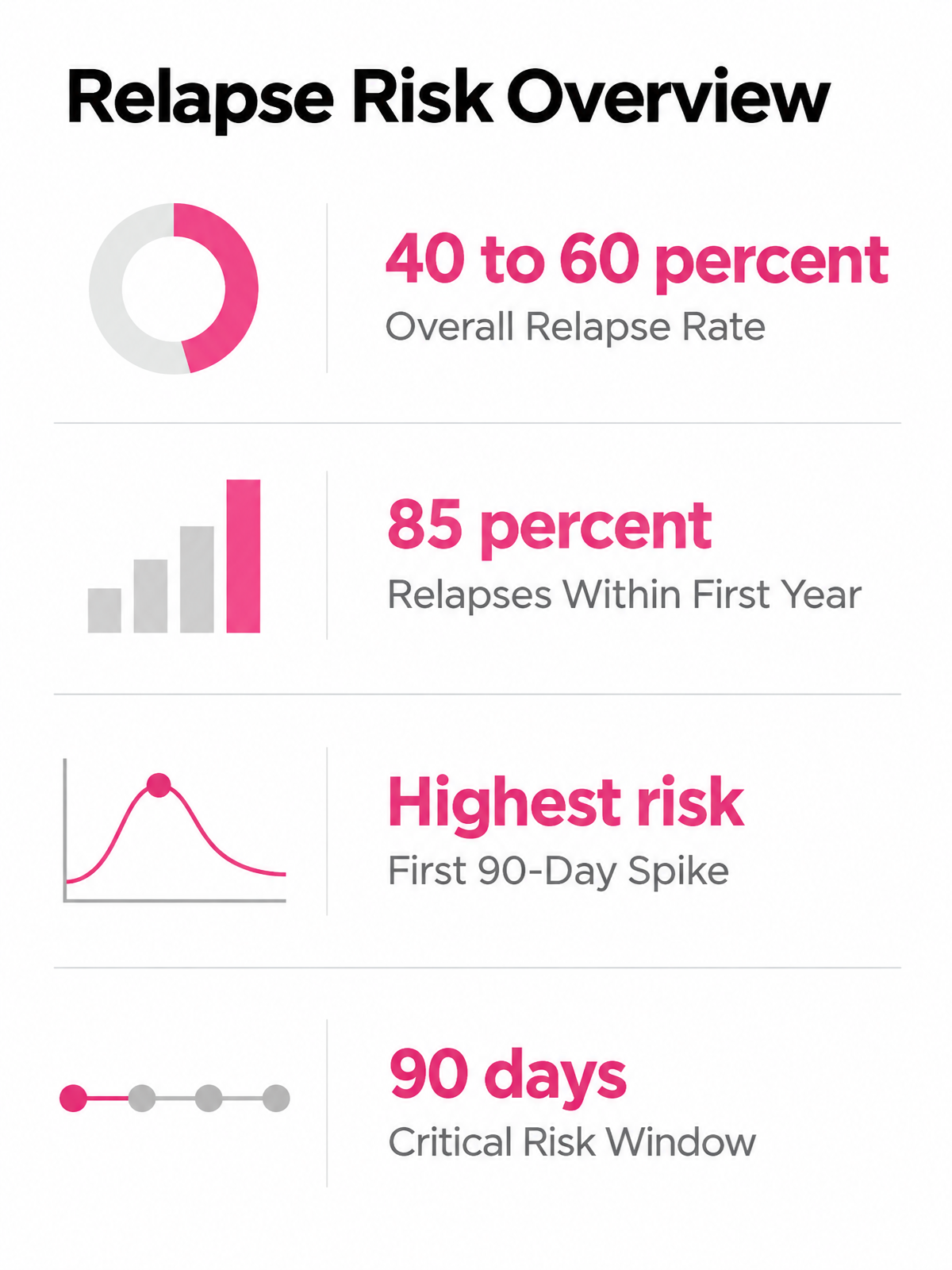
This is what makes early recovery paradoxically dangerous: feeling good can lower your guard. Early relief may convince someone that the hardest part is over, so they skip meetings they committed to or loosen routines before their decision-making system is fully steady under pressure. Your brain is still rebuilding during these weeks. You're asking a recovering organ to handle a full decision-making load, which is why the plan has to carry some of the weight for you.
Life After Rehab Support Means Building Before You Need It
The protective factors that held you steady in treatment—scheduled days, peer accountability, no access to substances, staff backup—vanish the moment you walk out. We see people return home motivated and immediately overcommit: extra shifts, skipped therapy appointments, promises to old friends they're not ready to keep. Within a short period, the structure collapses, and they're white-knuckling sobriety alone.
Structured life after rehab support works because it replaces what treatment gave you before motivation runs out. The form matters less than whether it's active, consistent, and able to pull you back in when you drift. We build continuing care plans before discharge—not as insurance, but as the main event. Outpatient appointments, recovery meetings, sober check-ins, and daily routines aren't extras you add if things go badly. They're the foundation you install while confidence is high, so they're already standing when real life begins testing everything.
Sleep: Building a Restorative Nightly Routine
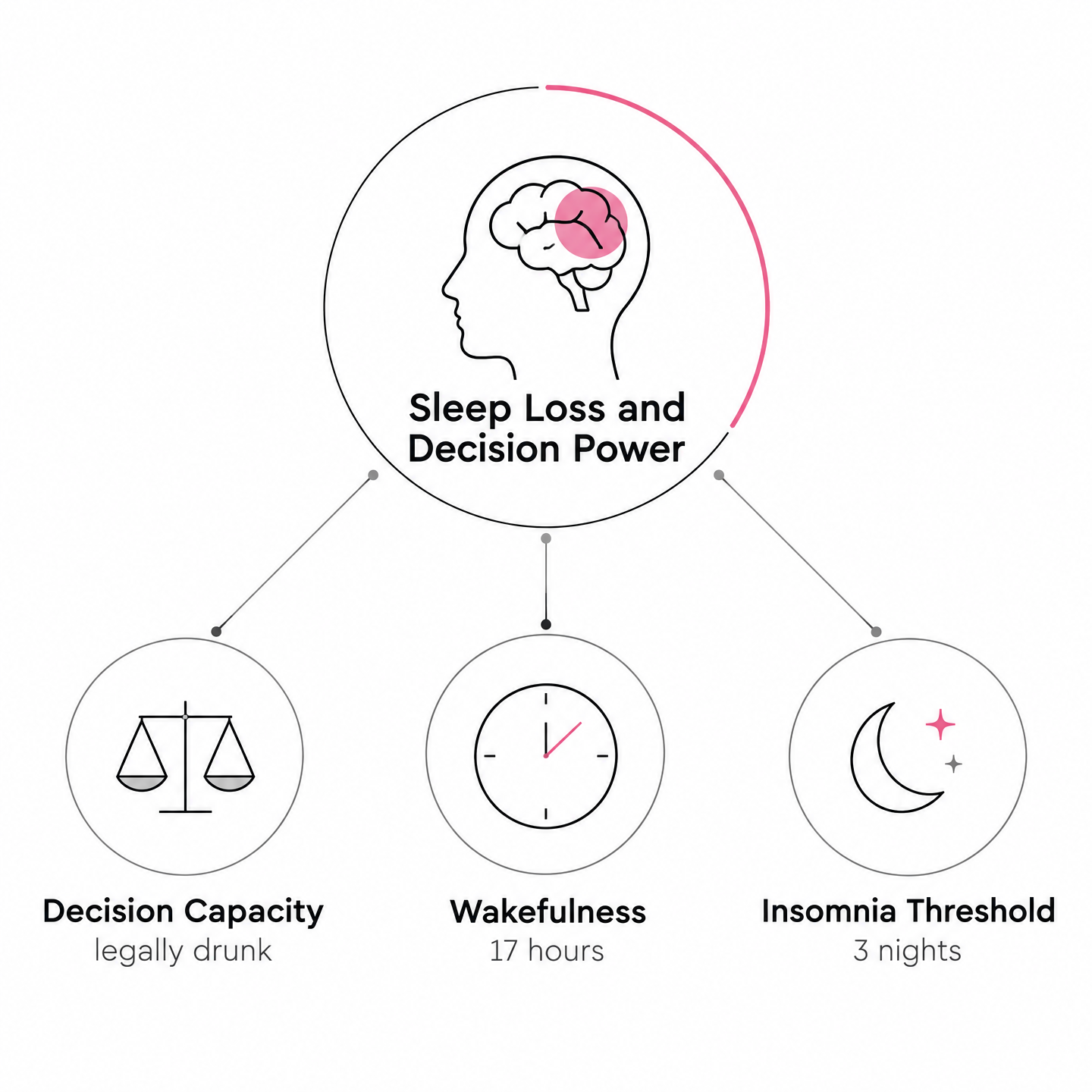
Sleep disruption drives relapse through a mechanism most people overlook: it erodes executive function before you even register the danger. When you're running on broken sleep, your prefrontal cortex—the part of your brain responsible for impulse control and long-term planning—starts operating with far less reliability. String together several nights of poor sleep in early recovery, and you're trying to resist cravings with a brain running on fumes.
Support systems—whether you're working with a sober companion, outpatient therapist, or recovery coach—should track your sleep as actively as they track cravings. Coaches can help clients monitor wake time, hours slept, and middle-of-the-night wake-ups during the early weeks. Sleep improvement usually unfolds gradually as the brain's sleep systems renormalize. Until then, broken sleep may be expected, but it still needs attention because prolonged poor sleep can push someone into emotional relapse before they consciously think about using.
Sleep-Hygiene Protocols That Work in Early Recovery
Start with a fixed wake time—same time every day, weekends included. Sleep can take time to improve, and inconsistent wake times keep it unstable. Set your alarm for the same morning hour even if the night was rough. Your body can adjust to consistency. It can't adjust to a moving target.
Limit screens before bed. The blue light from phones suppresses melatonin, and scrolling through stressful messages or social media late at night activates the exact stress circuits you're trying to calm. Replace screen time with a wind-down ritual: read a physical book, take a warm shower, or practice slow breathing. A simple paced-breathing routine can help reduce panic and stress without turning bedtime into another performance test.
Create a dark, quiet, cool sleep environment. Blackout curtains, white noise if needed, and a comfortable room temperature can all support better rest. Limit afternoon and evening caffeine. Your body is still recalibrating its stimulant tolerance, and late caffeine may wreck your sleep even if it didn't affect you the same way before recovery.
When to Escalate Sleep Problems to Your Care Team
If insomnia persists for several consecutive nights, tell your sober companion, therapist, or outpatient team immediately. Occasional brief thoughts of using can occur in early recovery, but lying awake for hours makes every coping skill harder to execute. Sleep deprivation turns ordinary stress into something sharper and more urgent.
Track your sleep in a simple journal or phone app. Log bedtime, wake time, middle-of-the-night wake-ups, and how rested you feel. Bring this log to weekly check-ins. Your coach or therapist can spot patterns you miss when you're in the middle of it: the week your sleep collapsed before a high-risk situation, the correlation between skipped meetings and late-night waking, or the gradual improvement you can't feel yet but the data shows.
Short-term medication support may be appropriate if insomnia threatens your stability. A prescriber may consider temporary medication options while your body heals, but these decisions belong to a prescriber, not you. Generic sleep advice to "just relax" doesn't work when your body is still recalibrating. Structured support means someone is watching your sleep data and adjusting the plan when the basic protocol isn't enough.
Meals: Nutrition That Fuels Physical and Emotional Healing
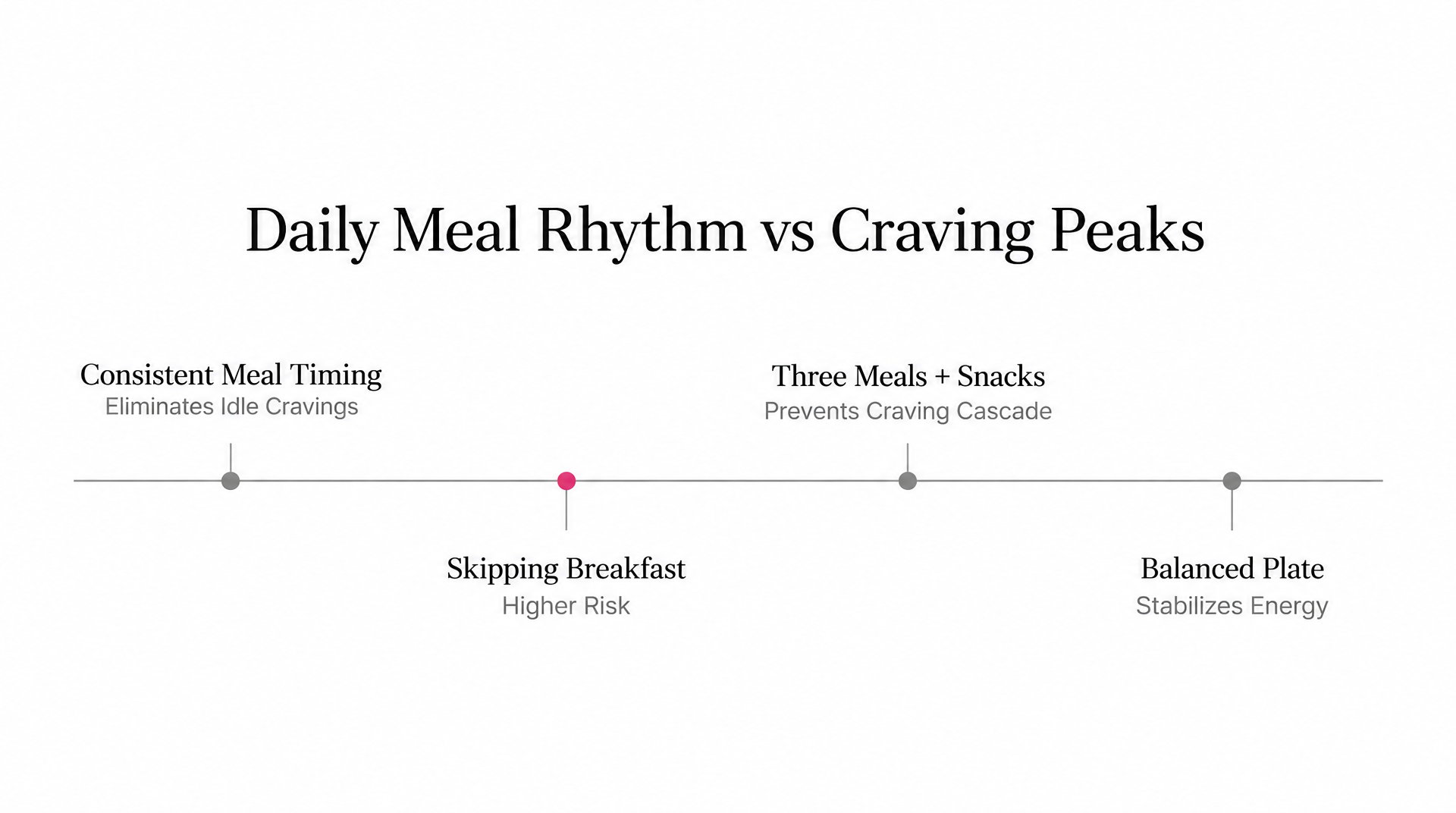
Regular meals anchor your day the same way check-ins and meetings do. In the first 90 days, meal planning sits alongside sleep routines and accountability structures—not because we're micromanaging calories, but because consistent meal timing eliminates idle stretches where cravings spike. The person who skips breakfast and grabs gas-station snacks at random is at higher risk than the person eating three planned meals, even if those meals are simple.
Balanced Plates Without the Obsession
You don't need a recovery-specific diet protocol. You need protein, carbohydrates, healthy fats, and produce at most meals. A balanced plate stabilizes energy and mood throughout the day, which matters when your brain is still recalibrating. Nutrition guidance often suggests including a palm-sized portion of protein, such as eggs, chicken, beans, or Greek yogurt; a fist-sized portion of carbohydrates, such as rice, oats, bread, or potatoes; and vegetables or fruit. Add a thumb-sized portion of fat, such as olive oil, avocado, or nuts, and you have a workable template.
Hunger shows up as irritability, poor decision-making, and physical discomfort, all of which can trigger thoughts of using. Regular eating rhythms support routine stability in the same way a consistent wake time does. A common pattern looks like this: someone skips lunch because they're "not hungry," hits a wall in the afternoon, and suddenly the old coping mechanisms feel urgent. Planned meals and snacks prevent that cascade.
Grocery Lists and Meal Prep as Accountability Tools
Your sober companion, coach, or accountability partner can review your grocery list and meal-prep plan the same way they review your meeting schedule. Many recovery coaches suggest building a short list of meals you can rotate during the first month. Repetition is fine. This isn't about culinary variety. It's about removing decision fatigue. Stock your kitchen with grab-and-go options: hard-boiled eggs, string cheese, apples, trail mix, hummus cups, and pre-cut vegetables. When you're hungry and tired, you'll eat what's visible and easy.
Meal prep doesn't require advanced cooking skills. Batch-cook a protein source on Sunday, roast a sheet pan of vegetables, and prepare a large pot of rice or quinoa. Divide everything into containers. You now have lunches and dinners ready to go without asking your stressed brain to make another decision at the end of the day. If cooking feels overwhelming, rotisserie chickens and pre-washed salad greens aren't shortcuts. They're smart planning. The structure of a routine matters more than the complexity of the recipe.
Hydration sits alongside meal structure. Keeping a reusable water bottle with you and aiming for consistent water intake throughout the day can help. Dehydration mimics withdrawal symptoms—headaches, fatigue, difficulty concentrating—and those physical sensations can trigger anxiety. Coffee and tea count toward hydration, but energy drinks and sugary sodas create blood-sugar swings that destabilize mood. Stick with water as your default.
Accountability: Creating a System That Keeps You Moving Forward
Accountability works best when it's built before you walk out the door, not pieced together when a craving hits. Accountability is the difference between a plan you meant to follow and a plan that actually holds you steady when motivation drops. The structure matters: who checks in, how often, and what happens when you skip a session or dodge a call.
Structured continuing care that actively keeps you engaged may be more effective than the standard "call us if you need anything" discharge model. Some providers report that clients engaged in continuing care during the first 90 days show lower relapse rates than those left to manage on their own. Regular connection with sober supports—sponsor, therapist, outpatient sessions, recovery meetings—helps maintain momentum when the initial motivation from treatment fades. The supports you let slide early become the gaps that make relapse more likely later.
Contact Frequency That Actually Works
Connecting with outpatient support soon after leaving treatment helps bridge the gap between the structured environment you just left and the unstructured days ahead. Early post-treatment days carry significant risk, and that first appointment matters. From there, intensity should match the phase you're in: the opening stretch calls for multiple touchpoints through outpatient sessions, recovery meetings, and regular sponsor or peer check-ins.
A sample plan might begin with near-daily check-ins during stabilization, then move to several weekly contacts as the person establishes a routine, then hold a less frequent but still predictable schedule during the middle phase. Any reduction should be reviewed with the care team, not made from a passing feeling of confidence.
As the weeks progress, many people step down to less intensive outpatient care. That transition—when the protective structure of daily programming gives way to real-world responsibility—is also when overconfidence becomes dangerous. Confidence outpaces capacity: the strength you built in a controlled setting hasn't been tested under the pressure of work stress, family conflict, or an unexpected wedding invitation. Don't mistake feeling stable for being cured.
Building Goals You'll Actually Review
Recovery goals need to be specific, measurable, and reviewed regularly, not vague promises you make once and forget. The SMART framework—specific, measurable, achievable, relevant, time-bound—works because it forces you to write "attend five recovery meetings this week" instead of "stay connected to my support network." Write the goal, share it with your accountability person, and review it at your next check-in. If you hit it, build the next one. If you miss it, adjust the plan instead of repeating the same target and hoping willpower carries you.
Regular progress reviews keep you on track, with more frequent check-ins early when structure matters most. One person in recovery described his early days as a complete shift from unstructured time centered around substance use to a guided routine: work, sponsor check-ins, movement practices, recovery meetings, balanced meals, and time to reflect. That kind of routine doesn't build itself. It's the result of scheduled check-ins where someone asks, "Did you do what you said you would do?"
Digital tools can help—shared calendars, habit trackers, reminder apps—but they're not a replacement for a human voice asking how you're actually doing. People who relapse often share a common pattern: they meant to keep going to meetings, they meant to call their sponsor, they just got busy. The accountability structure exists to catch that drift before it becomes a relapse.
Keeping Support Active Without Micromanagement
There's a line between helpful accountability and surveillance that makes someone feel controlled. The goal is connection, not policing. Your accountability person should be checking in with you, not checking up on you. The difference is tone: "How are you feeling this week?" opens a conversation; "Did you go to your meeting?" can feel like an interrogation if it's the only question being asked.
Recovery coaches and sober companions can help review sleep logs, meal plans, meeting schedules, and weekly goals. They are most useful when they catch drift early, not when they simply enforce rules. Clear escalation triggers can include missed check-ins, repeated skipped meetings, several nights of poor sleep, or a return of intense cravings. When these show up, the plan should add contact or clinical support rather than waiting for a bigger crisis.
Family involvement during the first 90 days should be brief, consistent, and focused on support rather than problem-solving. Start with a predictable rhythm in the first days home, then adjust based on what helps rather than what looks strictest on paper. If a family member is part of your accountability network, make sure they've been briefed by a clinician—not only by you—on how to support without enabling.
The form of accountability matters less than its duration and how actively it pulls you back in when you drift. Whether you're working with a single sober companion, an outpatient team, a peer sponsor, or a coordinated network of all three, the structure should taper gradually, not disappear suddenly. Higher structure early is normal, not weakness. As the weeks progress, you'll still need core supports in place. Independence should mean using support wisely, not pretending you no longer need it.
References
[1] The First 90 Days After Rehab: A Survival Guide - https://onesteprehab.com/blog/first-90-days-after-rehab/
[2] Life After Rehab: First 90 Days Guide | Trust SoCal - https://trustsocal.com/blog/life-after-rehab-first-90-days
[3] The First 90 Days After Rehab: Building a Sustainable Recovery - https://betterchoicenv.com/blog/life-after-rehab-first-90-days
[4] The First 90 Days of Recovery - Archangel Centers - https://archangelcenters.com/recovery/first-90-days/
[5] Relapse Prevention and the Five Rules of Recovery - PMC - NIH - https://pmc.ncbi.nlm.nih.gov/articles/PMC4553654/
[6] The first 90 days of recovery: Building a routine that lasts - Rosecrance - https://www.rosecrance.org/blog/summer-of-recovery-celebrating-three-months-sober/
[7] The First 90 Days of Sobriety: What to Expect in Early Recovery - https://kentuckyrecoverycenter.com/resources/the-first-90-days-of-sobriety/
[8] The First 90 Days of Sobriety: A Step-by-Step Blueprint - https://stcharlescounseling.net/the-first-90-days-of-sobriety-a-step-by-step-blueprint-for-lasting-recovery/
[9] Aftercare Plan (90 Days) - Alpine Recovery Lodge - https://www.alpinerecoverylodge.com/aftercare-plan-90-days/
Quick Questions, Straight Answers
What happens if I feel great during week two and want to reduce my meeting schedule early?
Feeling strong early is encouraging, but it is not a reason to cut support ahead of schedule. Talk with your therapist, sponsor, or recovery coach before changing your meeting plan. Early confidence should be treated as useful energy for building routines, not as proof that the routines are no longer needed.
How do I know if my sleep problems need professional attention versus just waiting them out?
Do not try to tough out sleep problems in silence. Use a basic sleep log and share it with your care team, especially if poor sleep is affecting mood, cravings, or daily functioning. The issue is not whether every rough night is an emergency; it is whether the pattern is starting to weaken your recovery plan.
Should family members check in daily during the first 90 days or will that feel like surveillance?
Family check-ins work best when everyone agrees on the tone and purpose ahead of time. A supportive check-in sounds like curiosity and care, not an audit. If conversations start feeling tense or controlling, bring the family member into a clinical conversation so the role can be reset.
Can I reduce structure once I hit the 90-day mark or does support need to continue longer?
The 90-day mark is a planning checkpoint, not a finish line. Review what is working, what still feels fragile, and which supports help you stay honest. Some structure can taper, but the strongest plans keep dependable recovery contacts in place while independence grows gradually.