Do You Need Daily Check-Ins, Weekly Calls, or a Full-Time Sober Companion?
October 1, 2026

Key Takeaways
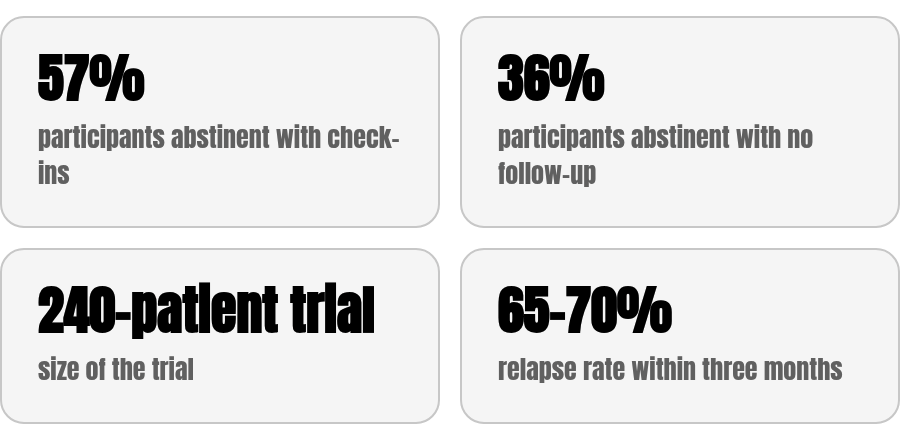
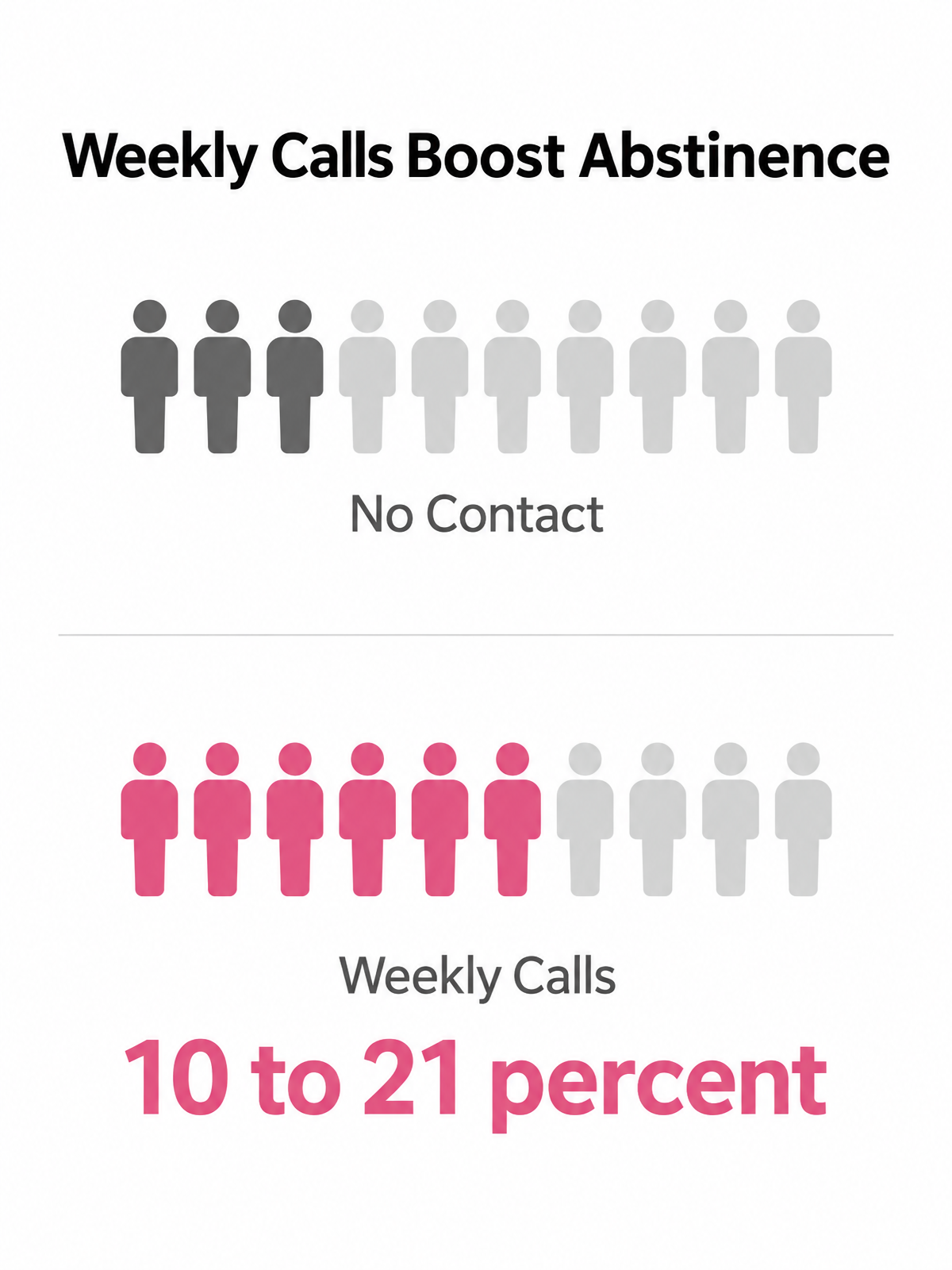
- Phone check-ins kept 57% of participants abstinent versus 36% with no follow‑up in a 240‑patient trial.
- Around 65–70% of people relapse within three months after treatment, making early support critical.
- High‑frequency calls didn’t clearly beat biweekly calls or texts, so match intensity to actual risk, not a formula.
- Full‑time companions cost the most but fit the highest‑risk early weeks when constant exposure and unstable environments require someone present.
- Daily check‑ins catch relapse signals in real time when your routine is stable but triggers stay unpredictable.
- Weekly calls take roughly an hour per week, suited to later‑stage clients building independence.
- Travel creates coverage gaps that weekly calls can’t address—requiring flexible companion support during high‑risk trips and events.
What You're Actually Choosing
Picking between daily check‑ins, weekly calls, and a full‑time companion comes down to one question: how much risk sits in the gaps between scheduled contact.
A sober coach after rehab works when your days are stable and your triggers are predictable. A full‑time companion earns its cost when early recovery means constant exposure—travel, high‑pressure events, or a home environment you can’t yet control.
Travel is where weekly calls break. They can’t reach you at an airport bar, and a live‑in companion for every trip isn’t sustainable. That coverage gap is filled by a sober travel companion, which is why we build sober coaching around situational risk rather than calendar days since discharge.
How the Support Levels Stack Up
| Option | Typical Frequency | Time Commitment | Core Services | Flexibility | Typical Cost | Oversight | Ideal Client |
|---|---|---|---|---|---|---|---|
| Daily check‑ins | 1–2×/day | ~2–5 hrs/week | Mood/craving tracking, accountability, early relapse detection | High | Often bundled into coaching | Non‑clinical | Stable routine, needs real‑time signal‑catching |
| Weekly calls | 1×/week | ~1 hr/week | Goal review, strategy, scheduled support | Moderate | Lowest of the four | Non‑clinical | Later‑stage, building independence |
| Full‑time companion | 24/7 live‑in | 40+ hrs/week | Hands‑on daily support, trigger management, travel | Low (fixed presence) | Highest of the four | Non‑clinical, non‑medical | Highest‑risk early weeks, acute exposure |
| MADE Recovery | Daily virtual + companion as needed | Scales to need | Daily check‑ins, in‑home and travel companionship, routine building | Highest (tapers as you stabilize) | Custom package | Non‑clinical sober coaching | Clients who travel or need flexible support |
None of these options provide medical care. Coaching and companionship are non‑clinical support. Detox, medication management, and clinical therapy stay with licensed providers and facilities.
What the Evidence Shows About Frequency
Frequent contact changes outcomes, but more isn’t automatically better. In a randomized trial on phone and text continuing care, staying connected after residential treatment produced a meaningful abstinence advantage over no follow‑up.
The twist: the most intensive phone schedule didn’t clearly beat lighter call or text formats. So front‑load intensity in the highest‑risk first weeks, then taper. That’s the same tapering logic we use when a client’s schedule shifts, as our 90‑day relapse guide breaks down.
What Works for What
- Best for high‑touch early recovery: full‑time companion, when acute exposure is daily.
- Best for real‑time relapse detection: daily check‑ins, especially when warning signs surface between appointments.
- Lightest time commitment: weekly calls, suited to later‑stage independence.
- Most adaptable to travel and shifting risk: a model that pairs daily remote coaching with companion coverage only when the week demands it.
- Skip a full‑time companion if your days are stable. Research doesn’t justify the cost once your routine holds.
Why the Contact Frequency You Choose Actually Matters
Structured post‑treatment support matters because the first stretch after discharge carries outsized risk. Sober coaching works as a bridge between treatment and daily life, where decisions happen outside the controlled environment of a program. The question isn’t whether support can help. It’s how much contact actually moves the needle, and when.
A sober coach after rehab doesn’t help by sheer volume of contact. It helps by closing the gap between a plan on paper and a decision in the moment. For our clients who travel early, that gap opens widest on the road, not at home.
More Contact Isn’t Automatically Better
The data pushes back on the “maximum support” instinct. The Swiss trial on check‑ins showed that structured follow‑up mattered, but the highest‑contact option wasn’t clearly superior across the board.
Frequency alone isn’t the lever. The useful question is whether the support level is enough to keep you stable without creating unnecessary cost or dependence.
Match Intensity to Risk, Not the Calendar
Support should be most frequent early and then ease off as you gain stability. Calendar tapering alone misses the real danger. Support should intensify when you’re most vulnerable, not just at discharge. MADE Recovery tailors contact frequency to your individual needs and risk patterns rather than following a fixed schedule.
For travel, the logic sharpens. A weekly call can’t steady you during a layover or a client dinner with an open bar. The fix is companion coverage during trips, remote coaching between them. Support follows the risk.
| Support level | Best for | Coverage gap |
|---|---|---|
| Weekly calls | Stable routine, predictable days | No real‑time help during travel or events |
| Daily check‑ins | Early recovery, high‑risk periods | Still remote; can’t intervene on‑site |
| Full‑time companion | Highest‑risk early recovery | Cost; unsustainable for frequent trips |
| MADE sober travel companion | Clients who travel in early recovery | Covers trips, remote coaching otherwise |
Recovery Is a Long Arc, Not a 90‑Day Sprint
Even after you stabilize, risk lingers. Recovery from severe substance use is often treated as a chronic condition requiring ongoing support.
That’s why we think in phases, not finish lines. Our coaching keeps the relationship alive as your needs shrink. We offer non‑medical coaching and companionship, not treatment, and we’ll help you build the plan that fits your actual risk.
Daily Check‑Ins: Real‑Time Accountability When Your Days Are Stable
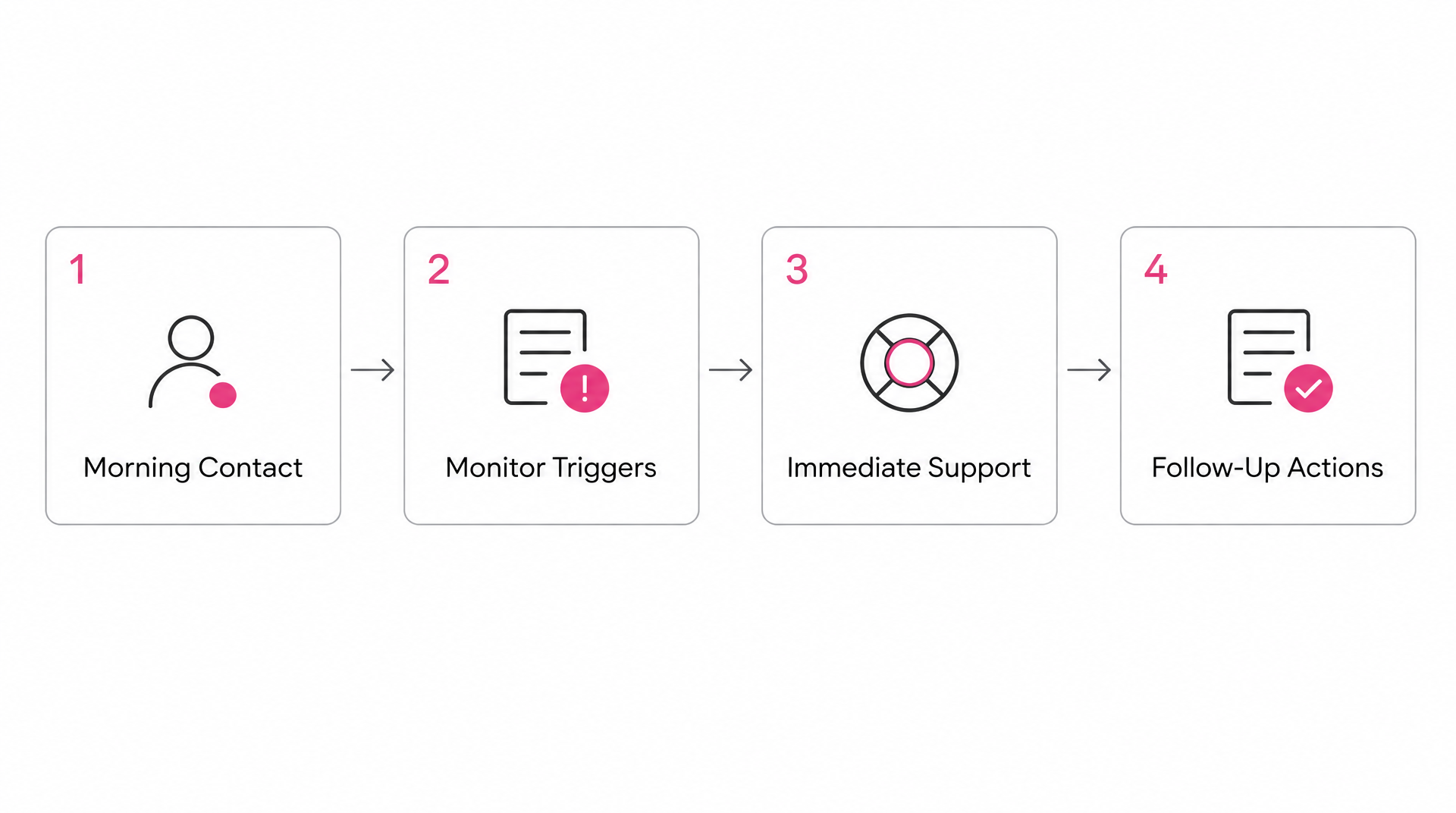
Daily check‑ins are the lightest touch a sober coach after rehab can offer: a short phone call, a text thread, or an app ping that keeps recovery visible every day. The point isn’t a long conversation. It’s catching a shaky morning before it turns into a lost afternoon.
This cadence works best when your days are stable and your triggers are predictable. The gap it leaves open is movement. When a client boards a flight or checks into a hotel, the daily text that felt enough at home stops matching the risk on the ground. That’s the seam we watch most closely in sober coaching, and it’s why we treat travel as a different problem than a routine Tuesday.
What Actually Happens in a Daily Check‑In
The content is tighter than most people expect. The Swiss phone‑based continuing‑care study built each contact around three things: checking current substance use, naming high‑risk situations coming up, and rehearsing a coping move for them. In our coaching, each check‑in is tailored to the individual, built around accountability and practical next steps rather than a long conversation.
Text‑based contact can carry real weight too. In that same trial, nearly all participants replied to messages regularly, and the text group also had the option to reach their therapist by phone when needed. The structure keeps recovery visible, so trouble surfaces before you have to raise it unprompted.
Who Thrives on Daily Contact
Futures Recovery Healthcare frames it well: coaching helps most when the problem is follow‑through, not knowledge. You know the plan. You struggle to run it consistently when real life pushes back.
Skip the daily cadence if your schedule is settled and your support network already carries you. More contact isn’t automatically protective, and over‑structuring can breed dependence. Choose the lightest structure that still keeps your recovery visible.
| Format | What it looks like | Best fit |
|---|---|---|
| Daily text thread | Scheduled prompts, mood and craving flags | Stable routines, mild‑to‑moderate risk |
| Daily phone call | Brief structured coping rehearsal | Early stage, high cravings |
| App plus remote testing | Check‑ins paired with scheduled Soberlink windows | Clients who need pre‑committed accountability |
| Our travel‑day coverage | Daily remote contact at home, companion on trips | Clients who travel during early recovery |
Where This Model Breaks
A daily call can confirm you made it through a conference dinner. It can’t sit beside you while the open bar is three feet away. For clients whose relapse risk spikes on the road, we front‑load intensity during the trip and taper to remote check‑ins between them. We walk through that handoff in our 90‑day relapse guide. Match the support to the risk, not the calendar.
Weekly Calls: Structured Coaching at a Manageable Pace
Weekly calls sit in the middle of the support spectrum. Enough structure to keep you accountable, enough room to actually work something through. For many clients, this is where a sober coach after rehab becomes sustainable past that first intense month. Daily contact tapers. The conversation gets longer and more deliberate.
The research supports that step‑down. In the phone and text check‑in study, lighter continuing‑care formats held up better than many expect. That reinforces how we taper support as clients find their rhythm, stepping back toward independence as stability grows.
A Weekly Call Works Best as a Focused Working Session
In the Swiss trial, therapist calls followed a tight structure: check current status, identify the next high‑risk situations, then rehearse the response. A weekly call works best the same way—not open‑ended venting, but a working session.
For clients who travel, those upcoming high‑risk situations are the whole point. A good call previews the Thursday flight, the client dinner with an open bar, the hotel minibar late at night. You walk in with a plan instead of improvising at the gate. We track those wins in honest weekly check‑ins so patterns surface before they become problems.
The Pricing Case for Weekly Coaching After Rehab
Weekly coaching is the affordable backbone. Sober coaching runs roughly $200 to $400 per hour, per a cost breakdown from Active Recovery Companions, while live‑in companions are significantly more expensive. For a stable week at home, paying companion rates makes no sense.
| Model | Typical cost | Reaches you mid‑trigger? | Best for |
|---|---|---|---|
| Weekly calls | $200–$400/hour | No | Stable weeks, predictable triggers |
| Travel companion coverage | Companion rates during trips only | Yes, on the road | Early recovery with travel |
The honest limit: a weekly call can’t reach you in the moment. A Tuesday session does nothing for a Saturday airport bar. That gap is exactly what our travel companion coverage fills. Remote coaching between trips, a sober companion on the trips themselves. You match support to situational risk, not to days since discharge.
When Weekly Calls Are the Wrong Fit
Skip the weekly‑only model if your triggers run constant rather than scheduled. In the first stretch out of residential, or heading into back‑to‑back travel, weekly contact leaves too much open air.
The practical move, which lines up with the research and with what Futures Recovery Healthcare says about avoiding unnecessary over‑support, is to front‑load intensity when risk is highest. Use more frequent contact early on, then step down to weekly once your days settle. The weekly call isn’t the whole plan. It’s the steady center you build the harder weeks around.
Full‑Time Sober Companion: Around‑the‑Clock Support for the Highest‑Risk Weeks
A full‑time sober companion is the heaviest support a sober coach after rehab can offer: someone in your home or at your side on the road, awake for the triggers that scheduled calls never catch. That price buys presence, not a cure.
We build companion‑level coaching after rehab around situational risk, not calendar days. The National Institute on Drug Abuse identifies relapse after treatment as a common part of substance‑use recovery, and companion support is often discussed for the period when early confidence gives way to real‑world pressure. That emotional crash, not just discharge day, is when we watch our traveling clients closest.
What a Full‑Time Companion Actually Does
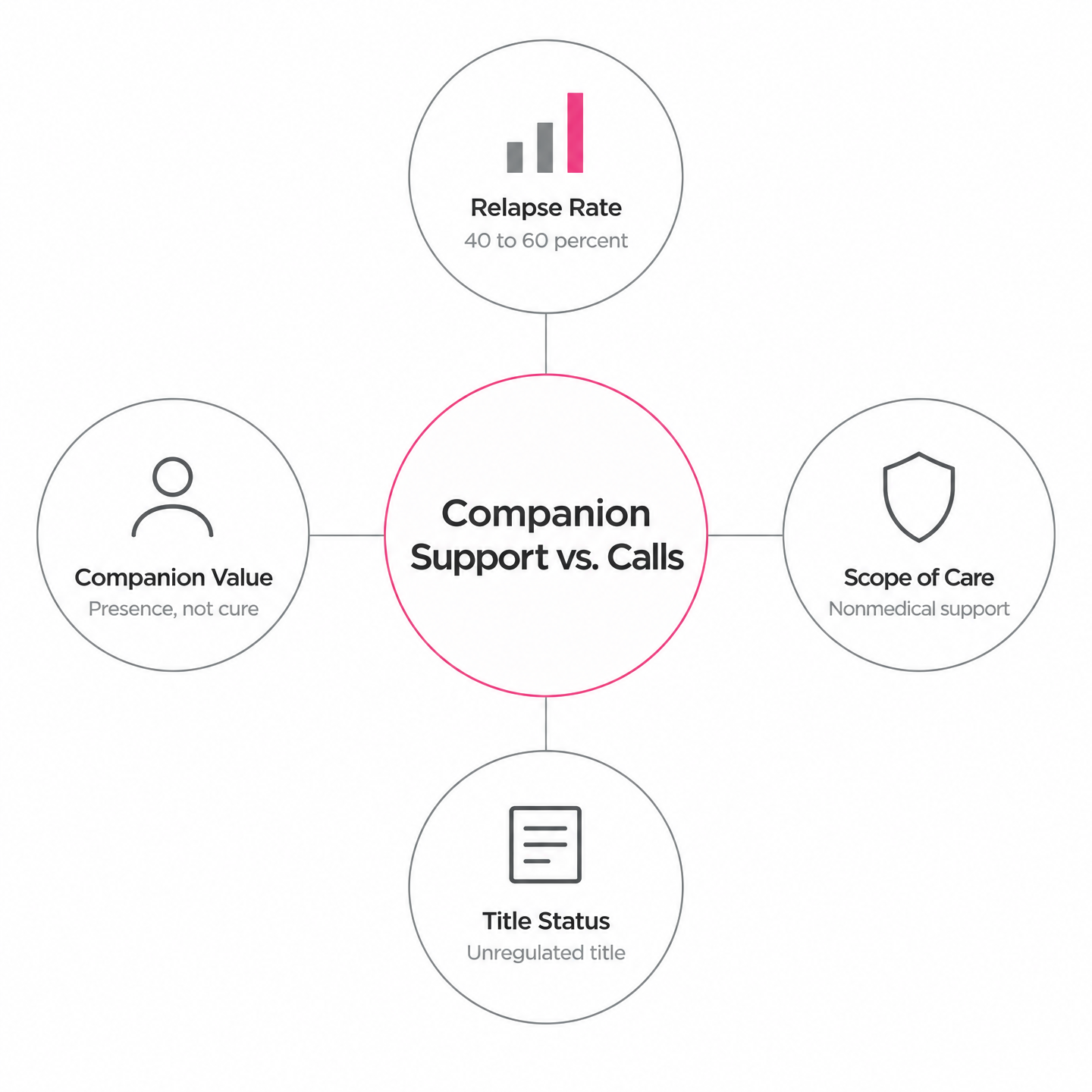
The job is broader than conversation. A companion runs the practical scaffolding of a day: meal routines, getting you to outside appointments, and reading a room before it reads you. Sober companions help clients maintain sobriety by spending time with them and preventing triggers in their social life, while also acting as someone to talk to when needed.
On the road, the work shifts. Here’s how we split in‑home and travel coverage.
| Setting | What the companion handles |
|---|---|
| In‑home | Daily structure, meals, appointment transport, evening and weekend high‑risk hours |
| On‑the‑go | Airport and hotel navigation, event and dinner coverage, managing the hours between meetings |
| Both | Real‑time trigger response, coordination with your outside treatment team |
We provide non‑medical support only. We don’t diagnose, detox, or manage medications, and a companion never replaces clinical care.
How to Vet a Companion Service
Because “sober coach” isn’t a regulated title, vetting is on you. Before hiring anyone, ask whether a companion is bonded and insured, what training they hold, how they handle emergencies, and how they coordinate with your therapist. Walk away from anyone promising guaranteed sobriety or discouraging therapy.
The best coaching relationships are structured, ethically grounded, and coordinated with clinical care when needed.
When Round‑the‑Clock Support Is the Wrong Call
Skip the full‑time model if your days are already stable. Many people hold recovery with therapy, routine, peer support, and daily check‑ins alone.
Some providers frame engagement in phases, starting with live‑in support and tapering as confidence builds. The acute phase is real, but we don’t let a countdown decide when you’re ready.
Travel changes the calculation. Round‑the‑clock support for every business trip is unsustainable, yet a weekly call can’t reach you at the airport bar. So we match coverage to the trip itself: companion support on the road, lighter remote coaching between trips. You can read more about that cadence in our guide to sober coaching after rehab.
How to Pick the Right Support Level
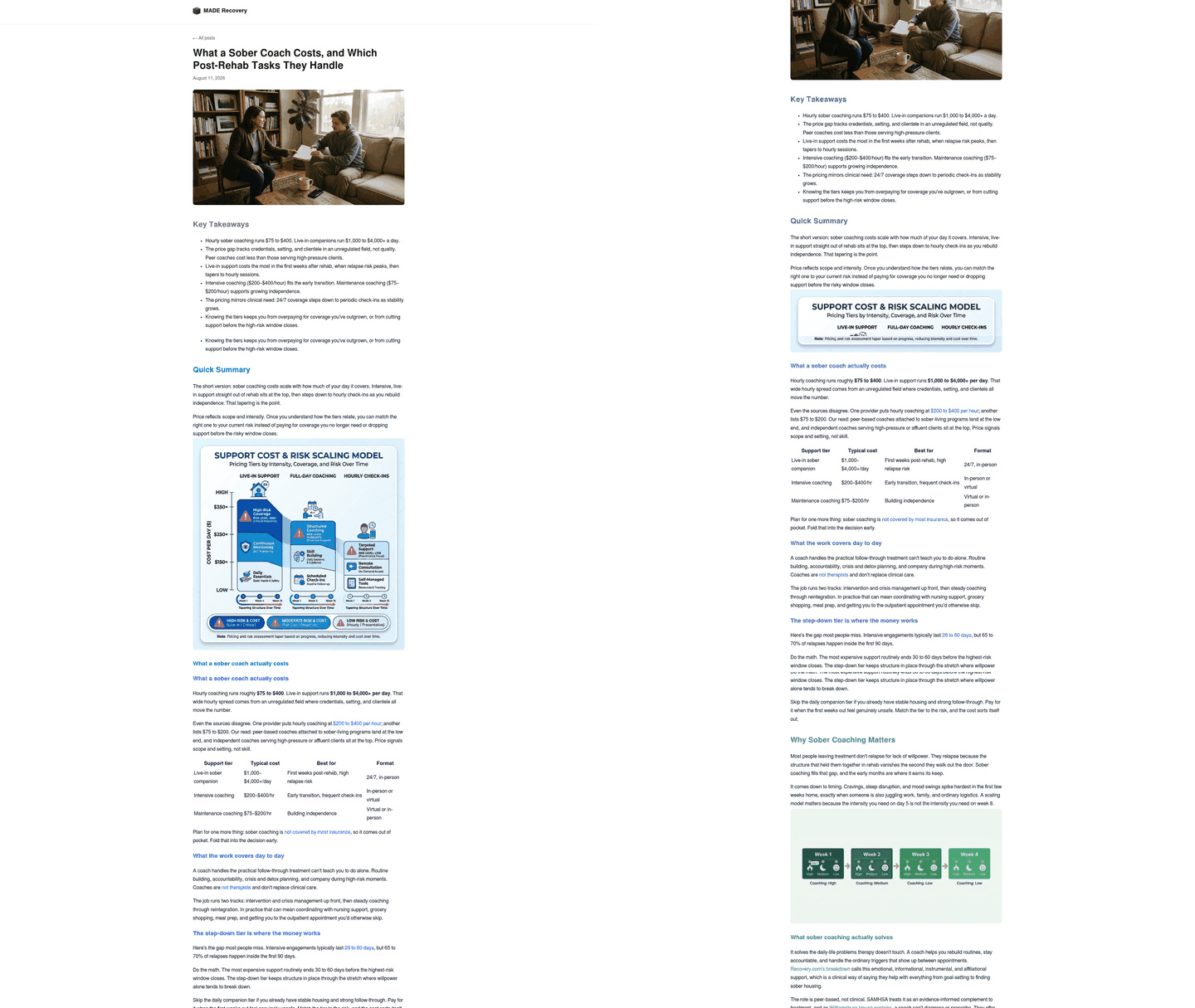
Start by throwing out the instinct that more support is automatically safer. The best‑fit plan gives you enough structure to stay stable without buying coverage you don’t need. Overbuying drains money you’ll need later. Underbuying leaves gaps exactly where you can’t afford them.
So the real work of choosing a sober coach after rehab isn’t picking a tier off a menu. It’s mapping your actual risk, then matching intensity to it. For our traveling clients, that map almost always has a hole where the trips are.
Five Questions to Ask Yourself First
- How strong are your cravings on an ordinary day with nothing going wrong?
- How predictable is your week? A fixed routine is lower‑risk than a schedule that scatters you across cities.
- Where are the gaps in your support network? Do you have people nearby, or are you often alone?
- How controlled is your home environment? Can you keep it sober, or not yet?
- How much travel is coming, and what’s waiting at the other end? Airport bars, client dinners, hotel minibars.
If your answers cluster around stable days and a solid network, lighter contact fits. If travel or isolation shows up, you need coverage that moves with you, not a calendar of calls you’ll take from a hotel room already in trouble.
How the Options Compare on Cost and Fit
Pricing varies widely depending on the level of support and the provider. Remote check‑ins and scheduled coaching sessions are generally more affordable, while full‑time companion services carry significantly higher costs. One is designed to taper. The other is designed for the days you genuinely can’t be alone.
| Criteria | MADE Recovery | Standalone Sober Coach | Full‑Time Companion |
|---|---|---|---|
| Immediacy | Scales up for travel windows | Scheduled contact | Constant presence |
| Personalization | Built around situational risk | Varies by coach | High, but open‑ended |
| Cost | Matched to coverage needed | Varies by provider | Varies by provider |
| Scalability | Shift daily to weekly, add trip coverage | Easy to taper | Hard to right‑size |
Where we focus is personalization. We build coaching after rehab around when and where your risk actually spikes, which for travelers means companion‑level coverage during trips and lighter remote check‑ins between them. That closes the gap a flat weekly plan can’t reach.
What About Insurance and Switching Later
First, most insurance plans don’t cover sober coaching, so treat it as out‑of‑pocket and budget for the trips that matter most. Second, this field isn’t tightly regulated, so vet hard. Ask what training a coach holds, whether they’re insured, and how they handle emergencies.
Flexibility is the part people underweight. Your support should move from daily to weekly as you stabilize, then flex back up for a hard week. If you want a feel for how that cadence works, our guide to sober coaching after rehab walks through the early recovery arc.
Integrating Coaching with Therapy, Sponsorship, and Community Resources
In the Swiss continuing‑care trial, text‑based check‑ins created a direct line between daily monitoring and clinical follow‑up. The study demonstrated how remote check‑ins can trigger timely therapist contact when warning signs appear, according to the phone and text check‑in study. That handoff is the whole point of integration. A sober coach after rehab works best as one node in a network, not a replacement for the people already in it.
Your therapist handles clinical treatment, trauma, and mental health. Your sponsor guides you through a 12‑step pathway. Coaching after rehab covers the real‑world structure and accountability between those appointments. Futures Recovery Healthcare frames it well: the best coaching relationships stay coordinated with clinical care, with clear boundaries so each role does what it’s designed to do.
Who Does What, and Who Picks Up at 2 A.M.
| Role | Scope | Availability |
|---|---|---|
| Therapist | Clinical treatment, diagnosis, trauma | Scheduled sessions |
| Sponsor | 12‑step guidance, lived experience | Set times |
References
[1] Sober Coaching: How It Works, Key Benefits,… - Caron Treatment Centers - https://www.caron.org/addiction-101/treatment-advice/sober-coaching
[2] “Stay in touch”: Phone- and text-based continuing care check ... - https://www.recoveryanswers.org/research-post/phone-text-based-continuing-care-check-ins-residential-alcohol-use-disorder-treatment/
[3] The First 30 Days with a Recovery Coach: What to Expect - https://allthewaywell.org/first-30-days-with-a-recovery-coach/
[4] Sober Companion Services: Who Are They & What They Do - https://addictionresource.com/treatment/sober-companions/
[5] How Long Should You Work With a Sober Companion? - ALYST Health - https://www.alysthealth.com/sober-companion-timelines/
[6] How much does a sober coach cost? - Active Recovery Companions - https://activerecoverycompanions.com/cost-of-sober-companion/
[7] Sober Companion and Recovery Coach: Professional Support for ... - https://www.addicted.org/after-treatment/support-programs/sober-companion-and-recovery-coach/
[8] How Recovery Coaches and Clients Benefit from Alcohol Monitoring - https://www.soberlink.com/addiction-recovery-blog/how-recovery-coaches-and-clients-benefit-from-soberlink-alcohol-monitoring
[9] What Is a Sober Coach? | Benefits, Costs, and How to Choose One - https://futuresrecoveryhealthcare.com/alcoholism/what-is-a-sober-coach/
[10] Continuing Care Research: What We've Learned and Where We're ... - https://pmc.ncbi.nlm.nih.gov/articles/PMC2670779/
[11] Recovery support services as part of the continuum of care for alcohol or ... - https://onlinelibrary.wiley.com/doi/10.1111/add.16751
Common Questions
1. Can I switch from weekly calls to daily check‑ins if my schedule suddenly gets harder?
Yes. Support should intensify when risk spikes, not follow a fixed calendar. If travel, job stress, or unstable routines emerge after you’ve stepped down to weekly calls, scaling back up to daily contact can give you more visibility while the week is unstable.
2. How do I know if I actually need a full‑time companion or if I’m just afraid to be alone early on?
Ask whether your home environment is controllable and whether your triggers are constant or scheduled. If you can keep your space sober and your hardest moments arrive predictably—like evenings or weekends—daily check‑ins may be enough. Reserve round‑the‑clock coverage for genuine acute exposure: unstable housing, constant access to substances, or early recovery combined with unavoidable high‑risk travel.
3. What happens during the weeks I’m not traveling if I’m using a travel companion model?
You stay connected through remote coaching—check‑ins, calls, or text threads—so the relationship and accountability stay intact. Companion coverage activates only when you’re on the road, which avoids paying live‑in rates during stable home weeks while still giving you on‑site support when trips create real risk.
4. If lighter continuing‑care formats worked well in the research, why would anyone pay for daily check‑ins?
Group‑level research doesn’t capture every individual risk pattern. Daily check‑ins are useful when warning signs show up between scheduled sessions: mood shifts, craving spikes, isolation, or impulsive decisions. If your triggers are unpredictable throughout the week, daily contact can surface trouble early enough to act on it.