Are You Ready to Bring Your *Veteran* Home? Three Hard Questions First
August 25, 2026
Key Takeaways
- The most dangerous stretch in a veteran's recovery is the drive home. Structured clinical support disappears, and the family inherits caregiving overnight.
- One ecosystemic study found 78% to 86% of combat veterans screened positive for mental health symptoms, yet only 21% to 27% got treatment.
- Only 37% of returning combat veterans had accessed VA care since 2002, which leaves most with no clinician watching their recovery.
- Most veterans come home to no formal support waiting, so the household becomes the treatment setting by default.
- Military OneSource calls the first weeks home the "disruption" phase, marked by emotional highs and lows for everyone under the roof.
- Families expect the hard part to end when treatment ends. The homecoming usually proves harder still.
- Checking readiness before the homecoming, not after the first crisis, turns the disruption phase from an ambush into something you can manage.
Why the drive home is the moment nobody preps for
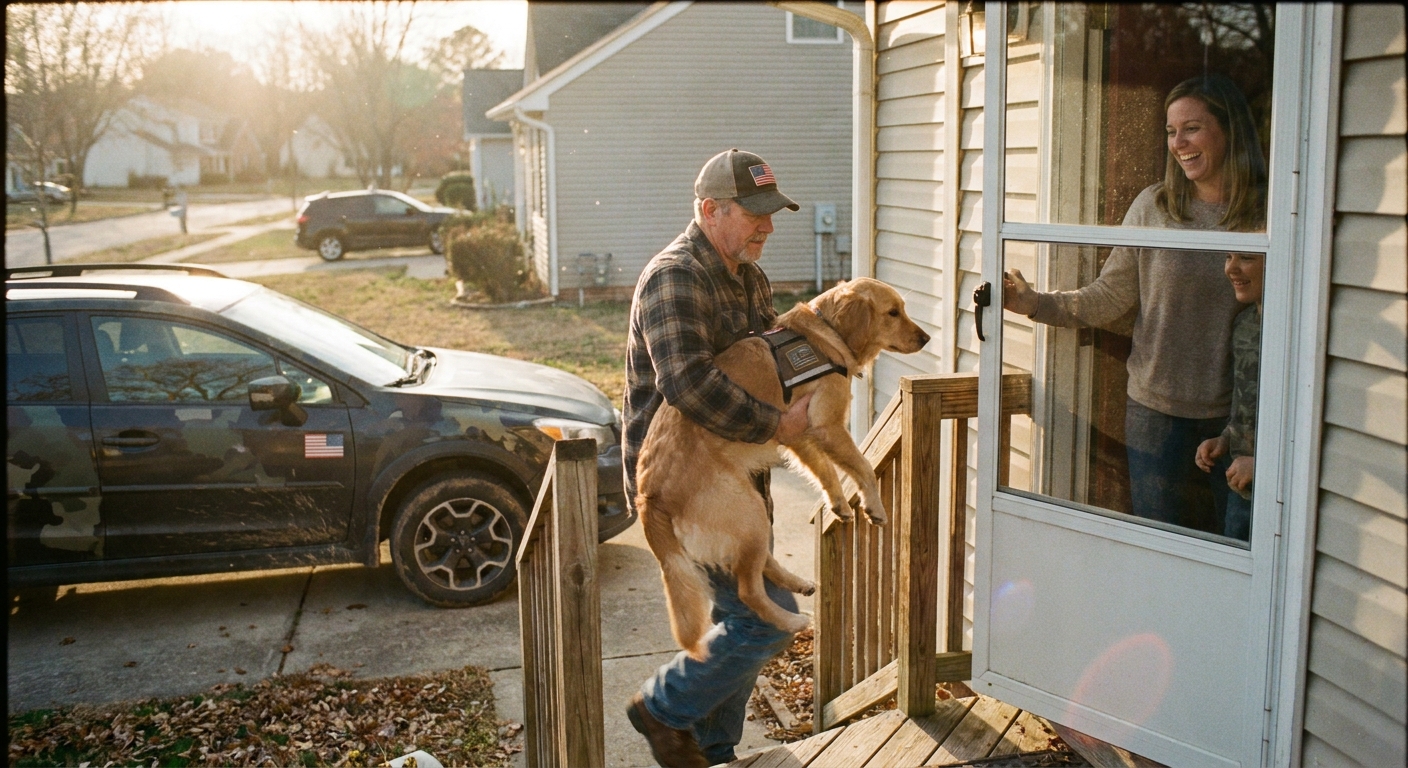
A veteran leaves a highly structured clinical setting and lands in an unstructured house. That gap is where things break. The moment they walk in, the household inherits the job of keeping them stable, usually without a roadmap.
What makes it harder: most returning service members are managing post-deployment life with clinical needs that were never fully addressed. There's a wide gap between the veterans who have symptoms and the ones actually in care. So families step into a caregiving role with no clinical oversight behind them.
Why the home transition is the riskiest stage
The clinical boundaries vanish overnight, and that absence creates friction. Roles shift. Routines break. Preparing for that ahead of time is what keeps early setbacks from turning into relapses.
Reintegration guidance from Military OneSource is blunt about this: families have to work through shifting roles and broken routines. Getting back to normal means accepting that the post-treatment phase needs its own coping strategies. It doesn't run on the ones that worked during treatment.
Assess the household ahead of time and you can see the friction points coming. That's the difference between a chaotic month and a predictable one.
What generic reintegration advice leaves out
Substance risk in the home. Most reunion guides stay on communication and role changes. They rarely tell you to walk the house and audit it for alcohol access and triggers, even though 40% of OEF, OIF, and OND veterans engage in heavy or binge drinking, and PTSD and substance use disorders commonly travel together.
A "safe and supportive" home for a veteran with a co-occurring condition isn't the same thing as a warm welcome. It's a home that's been checked for the things that pull someone back.
Who should actually deliver the support?
Both peers and professionals. The research pulls in two directions here, and the tension is worth naming.
The Veterans Transition Program study credits its results to peer support and shared military culture among fellow veterans. The ecosystemic work leans the other way: civilian clinicians can't treat veterans well without first understanding military culture, and models like Seeking Safety have to be adapted, not applied off the shelf.
The two aren't really in conflict. Home aftercare that works needs both clinical structure and a real human connection. That's exactly the gap the transition home leaves open, which is why pairing a dedicated coach with daily accountability tends to bridge it.
Your readiness pre-check
Before the three big questions later on, confirm the basics.
- Line up at least one support contact for the first few weeks, when the emotional swings hit hardest.
- Audit the home for alcohol and substance access to cut the immediate environmental triggers that can undo early recovery.
- Set up professional aftercare resources so the veteran has both structured guidance and ongoing accountability.
- Put a daily routine on paper before homecoming so there's stability and a clear set of expectations from day one.
Budget 2 to 4 weeks of prep and a few focused hours a week. Do it early and those hours go toward preventing emergencies instead of reacting to them.
Question 1 – Is the Home Environment Safe and Supportive?
A secure home takes more than emotional readiness. Standard advice stays on communication; a real assessment also has to look at the physical triggers sitting inside the living space.
For a veteran family, securing the home means actively managing the environmental cues that can pull old habits back. Do this before arrival and the physical space supports sobriety instead of fighting it during those first weeks.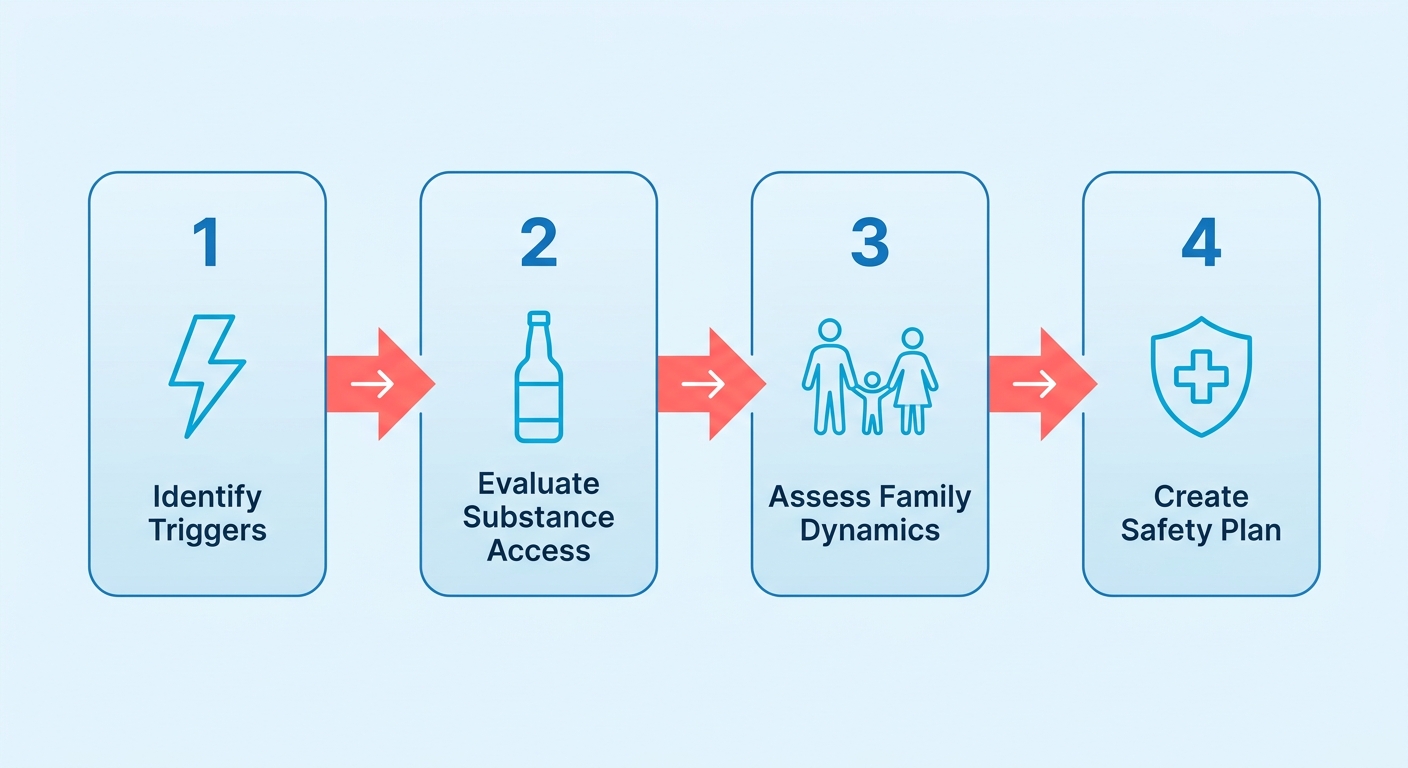
The physical safety items to check first
Physical safety means removing the fast paths to harm: unsecured alcohol, loose medications, a home that feels unpredictable. Start here, before you touch anything emotional.
- Lock away or remove alcohol from open shelves and the fridge. When drinking has become a stress-management tool, easy access is the single most modifiable relapse trigger.
- Store medications in a locked box, especially anything sedating or opioid-based. Co-occurring PTSD makes accidental or intentional overuse a real risk.
- Test smoke detectors and secure exterior doors. A home that feels physically secure lowers baseline hypervigilance for someone whose nervous system is still running on deployment settings.
- Create one predictable "quiet zone" the veteran controls. A dedicated low-stimulation room gives them somewhere to decompress instead of leaving the house.
How to read the home's emotional climate
The emotional climate is about triggers and boundaries, not affection. A loving family can still run a home that spikes a veteran's stress every evening.
Loud arguments, surprise gatherings, a high-stress neighborhood: all of it counts as an environmental trigger worth naming out loud. Map them with the family, then agree on how to handle each one. A signal for "I need to step out." A no-ambush rule on hard conversations. Quiet hours.
Family readiness also means a collective willingness to hold boundaries, respect the recovery plan, and keep confidentiality. The same way professional care needs a real understanding of military culture, families have to adapt too, learning how to support their veteran without accidentally building high-stress situations around them.
Scoring your home and closing the gaps
Rate your home from 0 to 9 across the three areas above, roughly three points each. 0-3 is unsafe and needs work before homecoming. 4-6 needs work with a plan in place. 7-9 is ready for the transition.
If community resources are thin, find local clinical options and veteran peer networks right away. Professional care plus peer-led support gives you a fuller safety net, clinical expertise on one side and shared-experience mentorship on the other.
Small adjustments, like designating that quiet zone, can move the score more than you'd expect. Professional transition support can help families work through these environmental changes and build the structure that bridges clinical treatment and independent living. For more on structuring the transition, our recovery coaching resources go deeper.
Question 3 – Are Support Networks and Crisis Plans in Place?
A crisis plan is a written document: who to call, what warning signs to watch for, what to do in the first 24 hours of a relapse or mental health emergency. Support networks are the people and professionals who make that plan work. Both need to exist on paper before your veteran walks in, not improvised the night things go wrong.
Without a written plan, families end up making critical decisions under extreme stress. For a veteran family, having the steps decided ahead of time keeps a minor setback from escalating into a major emergency during those first weeks.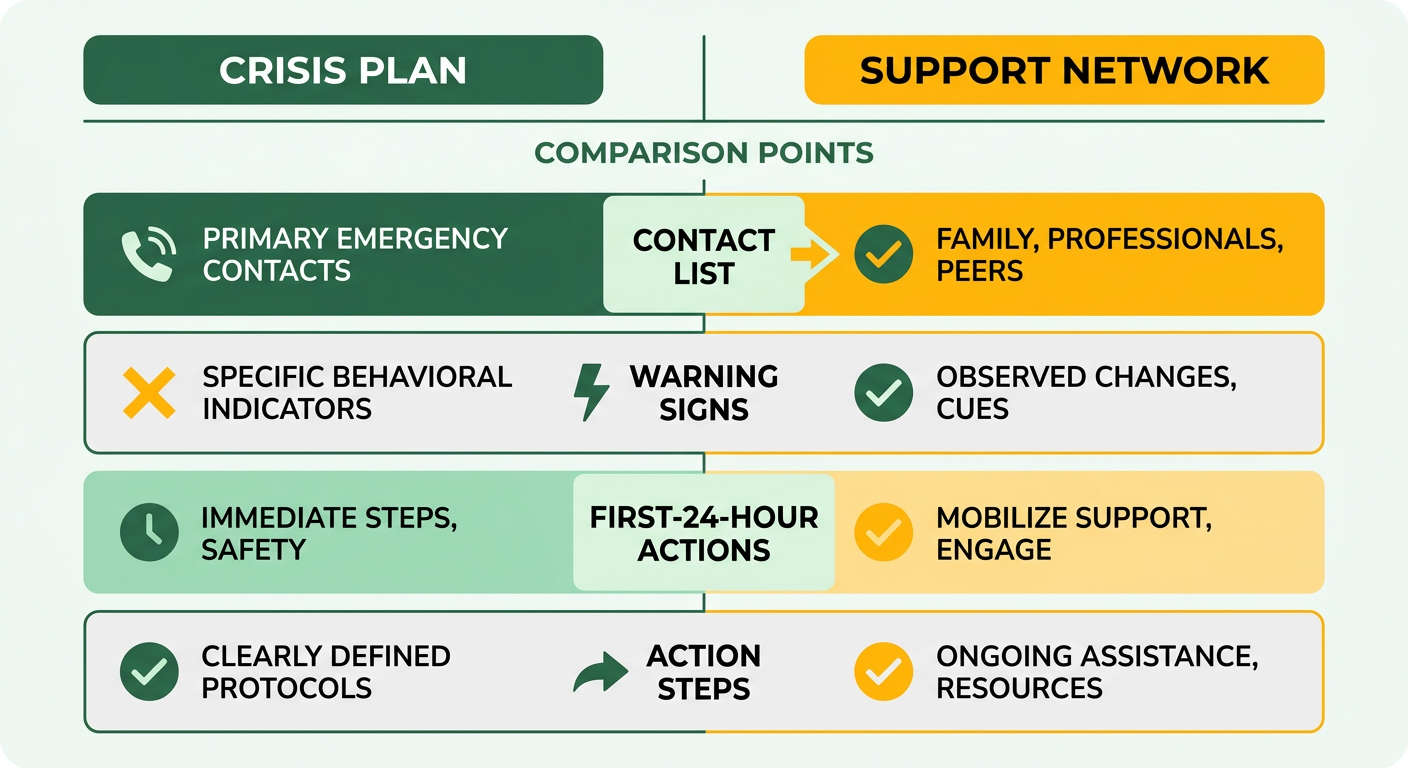
Who belongs on your veteran's support roster
A good roster balances clinical expertise with peer-to-peer connection. Lean on only one and you leave a gap. Pair professional guidance with the trust that lives inside veteran peer networks and the support system holds up better.
- Name two primary support persons with defined roles, like daily check-in and escort to appointments. One should be a fellow veteran if possible.
- List every professional contact in one place: therapist, psychiatrist, aftercare coach, VA crisis line. Store it where the whole family can reach it.
- Add a peer mentor who has done this transition. The VTP found peer support reframes help-seeking as a courageous act, not weakness, and that's often what gets a veteran to actually pick up the phone.
What goes in a 24-hour crisis plan
A 24-hour crisis plan documents warning signs, immediate actions, safe locations, and medication management, in the order you'll reach for them under stress. The point is to take the decisions out of the moment. When someone is spiraling, nobody should be inventing next steps.
We help families and clients plan detox and treatment pathways as part of crisis management support, bringing together a dedicated coach and whatever family members you choose to involve. That prep matters because operational stress injuries show up in 13.5% to 19% of returning soldiers within four years, and those episodes rarely announce themselves politely.
- Write down the specific warning signs for your veteran: withdrawal, skipped meals, drinking. Vague signs get missed.
- List immediate actions in order, ending with the VA crisis line or 988. Number them so nobody hesitates.
- Name a safe location the veteran can go to, and confirm who drives.
- Document current medications and who manages them, so a substitution or a lapse gets caught fast.
Do routines and tech support the plan?
They do. A structured daily routine and a few well-chosen apps hold the plan together between check-ins. Set a fixed wake-up time, three meals, a therapy or coaching session, leisure, and a consistent bedtime. Predictability lowers the ambient stress that feeds PTSD and substance use.
Recovery-tracking apps and telehealth scheduling can add layers of accountability without loading it all onto family members. For more on folding these tools into a daily schedule, our team's blog gets into it.
Checklist Implementation – Step‑by‑Step Action Plan
The launch plan turns three hard questions into a 90-day timeline with clear owners and dates. It runs in five phases: pre-move assessment, days 8-14, days 15-30, days 31-60, and a 90-day review. Each phase has one person accountable and a printable milestone list.
For a veteran family, those first weeks are usually the hardest. Building the timeline around early, proactive milestones front-loads support when the household needs it most, which is exactly when crises tend to hit.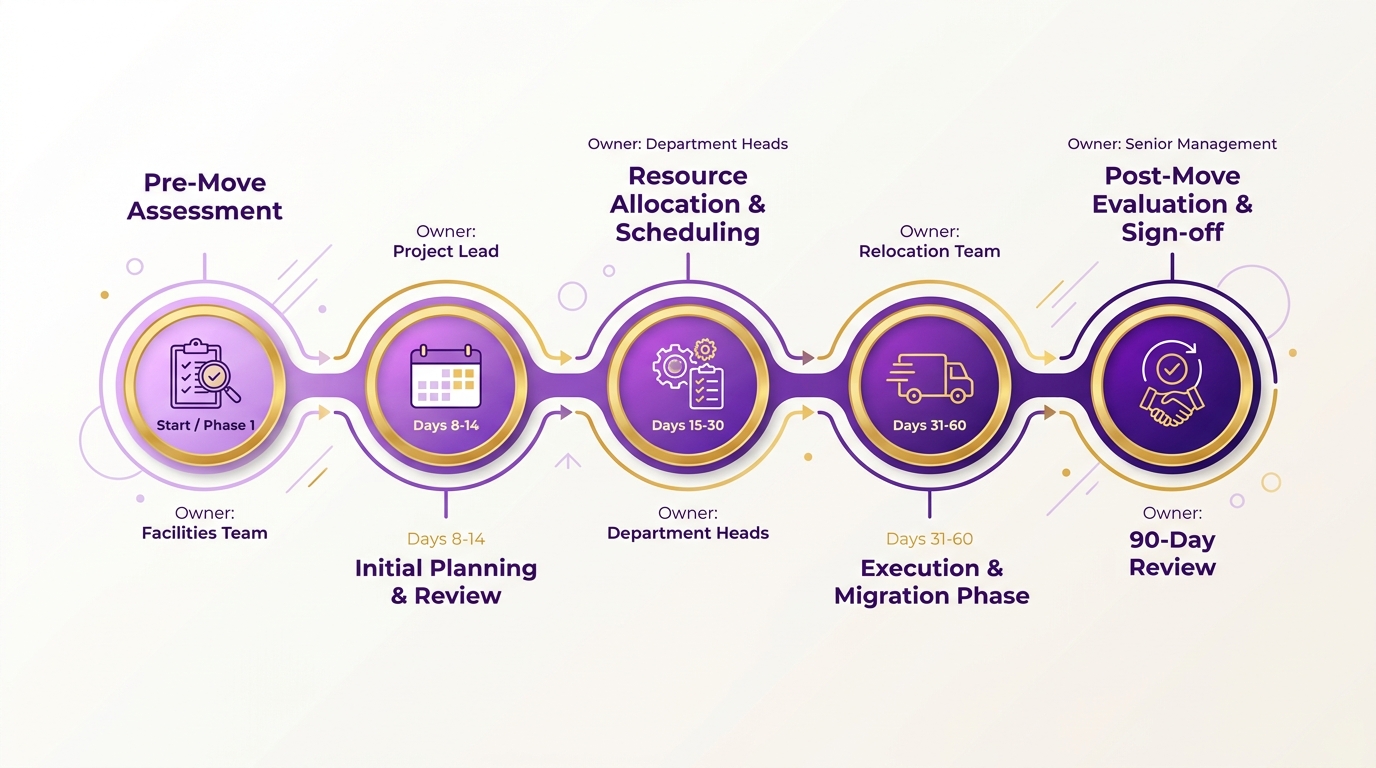
What happens in the first 30 days
The first 30 days are for assessment, closing gaps, and starting the daily routine. Assign one Readiness Champion early, usually a family member or coach, who owns the checklist and chases down every unresolved item.
- Day 0-7: Complete the Quick Summary table and name your Readiness Champion. Without a single owner, tasks scatter and nothing gets finished.
- Day 8-14: Resolve every "no" answer from your three questions. Install safety devices, secure substances, and book the first coaching session before the gaps turn into emergencies.
- Day 15-30: Start the daily routine, begin building healthy eating habits, and attend the first peer-support meeting. Routine is what replaces the structure of treatment with structure at home.
From day one, the focus stays on the fundamentals that carry lasting recovery: consistent sleep, regular meals and hydration, and daily accountability check-ins that keep human connection front and center. As clients find their rhythm, coaches review progress and adjust the plan to current stress levels and sleep quality. That back-and-forth keeps the family honest.
When to taper support
Support tapers on purpose, as clients gain independence, not before. Two checkpoints matter: a mid-point review and the final sit-down with the coach and family.
- Day 31-60: Review progress, adjust the schedule, and add resources wherever the routine is straining.
- Day 61-90: Hold the formal evaluation with your coach and family, then decide together whether support tapers or holds.
Hold off on tapering if the daily rhythms are still shaky or the check-ins have dropped off. Those two signals tell you the home isn't ready to run on less yet.
What professional aftercare coaching actually does
Professional aftercare gives you the structured oversight to actually carry out the safety measures, daily routines, and crisis plans above. It's the thing that bridges clinical treatment and long-term independent living.
The clinical case for shared experience is well-documented. The Veterans Transition Program showed that group-based reintegration models reduce symptoms of PTSD, depression, and anxiety over time. Carry that principle into the home through dedicated coaching and you get the consistent, relatable support that lasting recovery runs on.
How the coaching maps to each question
We line up support against the three checklist gaps directly, then taper it as your veteran finds footing.
- Home safety: Coaches run an environmental purge with the family, clearing substances and trigger cues, then coordinate with nursing support where there are medical needs.
- Daily routine: We build the foundational habits first, then add more complex responsibilities as stability grows. Our first-90-days routine guide walks through that progression.
- Crisis plan: We help families build the written network of who to call and what to watch for, so the plan exists before it's needed.
Service and pricing options
You can start with a single dedicated coach or a coordinated team, virtual or in-person, depending on the level of care. Nutrition modules, meal prep, and grocery coordination come in when they fit.
Packages are fully customized and shift as needs change, so you're not paying for support you've outgrown. As independence grows, contact comes down on purpose.
Help starts with a conversation. Call 661-369-6255 to talk through your situation, and we'll build the right program for your family, with daily check-ins and real-world support during the moments that matter most.
References
[1] Post-Deployment Reunion & Reintegration - https://www.militaryonesource.mil/resources/millife-guides/post-deployment-reintegration/
[2] Re-Entry and Reintegration: Returning Home after Combat - https://www.researchgate.net/publication/7547706_Re-Entry_and_Reintegration_Returning_Home_after_Combat
[3] A Group-Based Approach for Assisting Military Veterans in ... - https://www.researchgate.net/publication/247784545_Coming_Home_A_Group-Based_Approach_for_Assisting_Military_Veterans_in_Transition
[4] (PDF) An Ecosystemic Perspective in the Treatment of ... - https://www.researchgate.net/publication/254377960_An_Ecosystemic_Perspective_in_the_Treatment_of_Posttraumatic_Stress_and_Substance_Use_Disorders_in_Veterans
Frequently Asked Questions
1. How long does the disruption phase actually last after a veteran comes home?
This initial transition period typically spans the first few weeks following homecoming. Proactive preparation during the preceding month allows families to establish a stable environment, helping to mitigate the emotional fluctuations that often occur during the early stages of reintegration.
2. My veteran completed residential treatment successfully, so isn't the hardest part over?
Completing residential treatment is a major milestone, but returning home introduces entirely new challenges. Without the built-in accountability of a clinical facility, maintaining recovery relies heavily on the home environment. Establishing structured support during this transition is vital, especially since many veterans do not immediately transition to ongoing VA clinical care.
3. What if my veteran doesn't drink heavily—do I still need to audit the home for alcohol?
Yes, environmental safety is a universal recommendation for post-treatment transitions. Removing or securing potential substances minimizes impulsive decisions during moments of high stress. Creating a trigger-free living space supports long-term sobriety by ensuring the home remains a safe haven rather than a source of temptation.
4. Should I choose peer support or a professional clinician for my veteran?
An optimal recovery plan integrates both elements. Peer support offers invaluable shared experience and mutual trust, which helps reduce the stigma of seeking help. Meanwhile, professional clinicians provide the specialized therapeutic tools necessary for managing complex conditions. Combining these resources ensures comprehensive care.
5. What score means my home isn't ready for the veteran's return?
A score below 7 on the readiness assessment indicates that key safety or support elements are missing. If your home scores in the lower ranges, focus on resolving immediate physical hazards and establishing clear communication boundaries before the veteran's arrival to ensure a safer transition.
6. When is it safe to reduce or taper the support we've put in place?
Tapering should be based on demonstrated stability rather than a strict calendar. If daily routines are consistent, sleep patterns are stable, and accountability measures are being met voluntarily, you can begin gradually reducing external oversight in consultation with your support team.
7. How does MADE Recovery's coaching fit between residential treatment and living independently?
Our coaching program provides a structured bridge during the critical post-treatment phase. We work directly with families to implement environmental safety measures, establish stable daily routines, and formalize crisis protocols. This hands-on guidance ensures that the transition home is managed safely and systematically.