Which Cash Assistance Programs Pay Families the Week After Rehab Discharge
September 1, 2026

Key Takeaways
- Financial instability in the first week after discharge is one of the clearest tracked warning signs for early relapse.
- Most families who don't receive post-discharge cash support aren't ineligible — they simply don't know which programs exist or how to access them.
- A separate non-recurrent short-term benefits track exists inside TANF with no work requirements, designed specifically for crisis situations like post-discharge.
- Standard TANF's maximum benefit for a family of three fell below 20% of the poverty line in 18 states as of 2020.
- States must keep 50% of families in qualifying work activities to retain federal TANF funding — a threshold newly discharged clients rarely meet immediately.
- TANF's $16.5 billion annual budget suggests the funding exists; the gap for post-discharge families is primarily one of access, not supply.
The Gap Isn't Where Families Expect
TANF's annual budget sits at $16.5 billion, yet families seeking financial assistance after a loved one's discharge often walk away empty-handed. Not because the money isn't there, but because no one showed them which door to knock on.
In our experience, the families who don't get cash support in the first week aren't ineligible. They're lost. And financial instability in that window is one of the clearest warning signs we track for early relapse.
Why Standard TANF Fails Newly Discharged Clients
Standard TANF is the first program most people hear about. The reality is sobering: the maximum benefit for a family of three fell below 20% of the poverty line in 18 states as of 2020. That's not a meaningful safety net for someone discharged from a 30-day residential program with no income.
The work participation requirement makes it actively inaccessible for newly discharged clients. States must ensure 50% of families are in qualifying work activities to keep their federal funding. Someone who just completed treatment often can't satisfy that threshold on day one, so they don't apply.
What most families don't realize: a completely separate track exists inside the same program.
The NRST Track Nobody Tells You About
TANF's non-recurrent short-term benefits (NRST) were designed for exactly this kind of crisis. No work requirements. No impact on the 60-month lifetime TANF limit. A family who has already exhausted regular TANF can still qualify.
States spent only 23% of total TANF funds on direct cash in 2022, down from 69% in 1997. The CBPP attributes the gap to "long-standing misconceptions and administrative barriers," not a shortage of dollars.
The real barrier is time. Without someone who knows the NRST pathway exists, a family has roughly seven days post-discharge to find it before financial pressure compounds into a relapse risk. Most don't find it in time.
Matching the Program to the Situation
| Option | Work Requirements | Counts Toward 60-Month Limit | Cash Amounts | Best For |
|---|---|---|---|---|
| Standard TANF | Yes | Yes | Below 20% of poverty line in 18 states | Families with a member ready to re-enter work immediately |
| TANF NRST benefits | No | No | Varies by state; Michigan's Rx Kids paid $1,500 one-time + $500/mo for infants | Families in acute post-discharge crisis, including those who've exhausted standard TANF |
| MADE Recovery aftercare coaching | N/A | N/A | Flexible, customized packages; virtual and in-person options available | Individuals leaving treatment who need structured transitional coaching, daily accountability, and real-world support as they rebuild independence |
Standard TANF is the right fit only when someone in the household can realistically meet work requirements right away. For most newly discharged clients, that's not week one.
NRST fits the profile of nearly every client we see early in recovery: no current income, potentially past the 60-month limit, unable to meet work participation rules yet. The CBPP confirms NRST cases are excluded from the work participation denominator entirely, meaning a denial from standard TANF doesn't close this track.
Our team's role at this stage isn't financial paperwork. It's the daily structure and accountability that kicks in once a client is home. Routine building, nutrition, crisis management, and the consistent human presence that keeps recovery from unraveling when real-world pressure peaks in those first weeks out of treatment. That work doesn't replace a benefits navigator, but it fills the gap that cash assistance never touches.
What the First Week Home Actually Looks Like
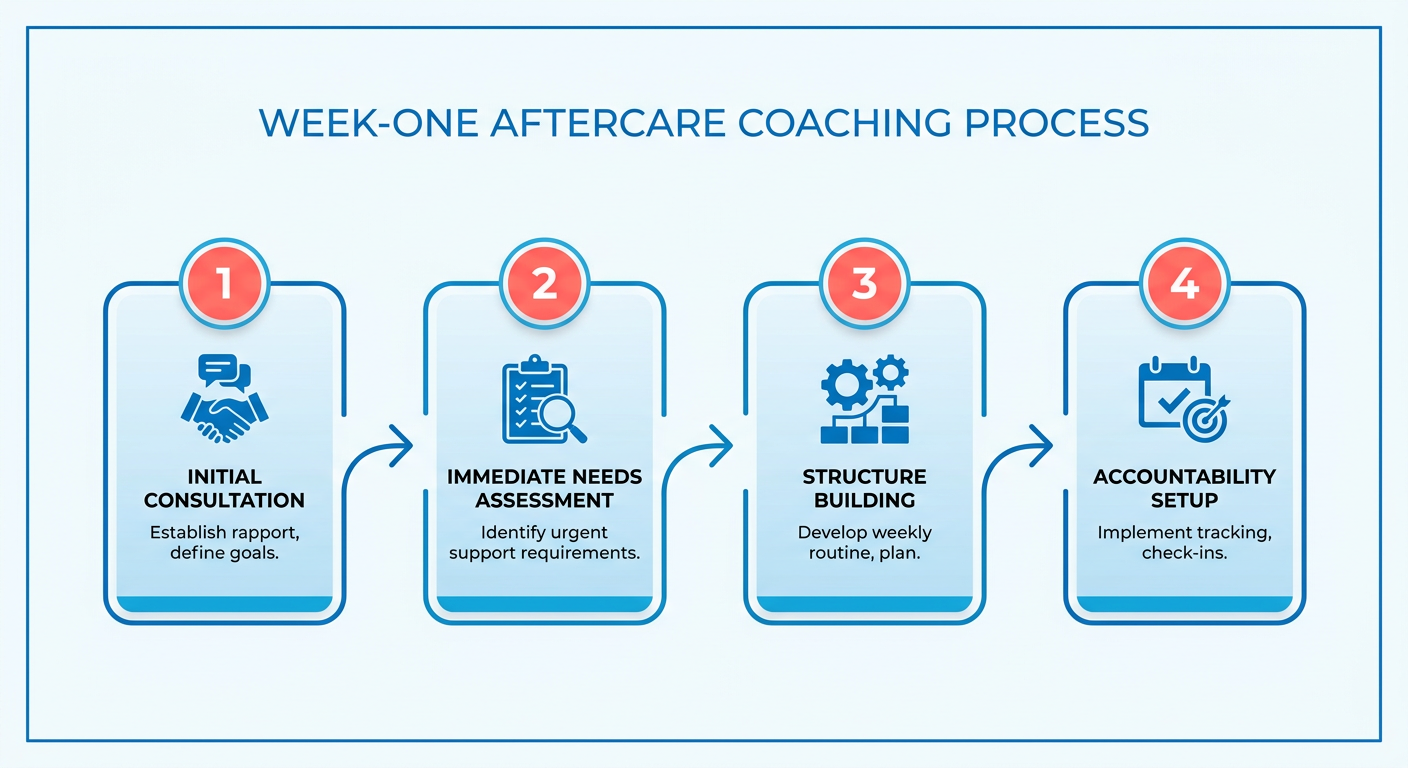
The transition from a structured clinical environment to an unstructured home is jarring. That's not a clinical observation — it's what we hear from families every single week. The treatment team managed the schedule, the meals, the peer group. Then discharge happens, and a household with no practice running that system has to run it.
The volume alone is disorienting: discharge paperwork, outpatient appointments, prescriptions to fill, insurance calls to make. Families who spent weeks waiting anxiously for their loved one to come home don't expect to feel overwhelmed the day they arrive.
How We Support Families Through the First Week After Discharge
Our coaches specialize in bridging the distance between clinical discharge and daily life. During the first week, this means educating the family on the physiological realities of early recovery, coordinating with outpatient medical providers, and building protocols for high-risk situations. We help families stay connected to ongoing treatment pathways so that the move out of residential care doesn't open a gap in support.
We don't act as financial case managers or benefits navigators. But the coaching layer provides the emotional and behavioral stability that lets families handle administrative tasks without a fog of crisis overhead. By managing immediate transition planning and routine building, we make sure the client has consistent human support during this critical adjustment period.
| MADE Recovery Aftercare Coaching | |
|---|---|
| Crisis and transition planning | Yes |
| Dedicated sober coach | Yes |
| Family involvement | Central to the model |
| Pricing | Contact for current rates |
| Best for | Post-discharge clients with a family support network |
Pros: Coordinated transition planning and family education through a single point of contact, reducing confusion in the initial days home.
Cons: Does not provide direct financial aid or complete benefits applications; families must coordinate with external navigators for cash assistance.
Ideal for: A household navigating the first two weeks post-discharge that needs structured guidance, family alignment, and a clear roadmap. If you want to understand how we approach that first week, our blog covers the full picture.
The Cognitive Side of Early Recovery
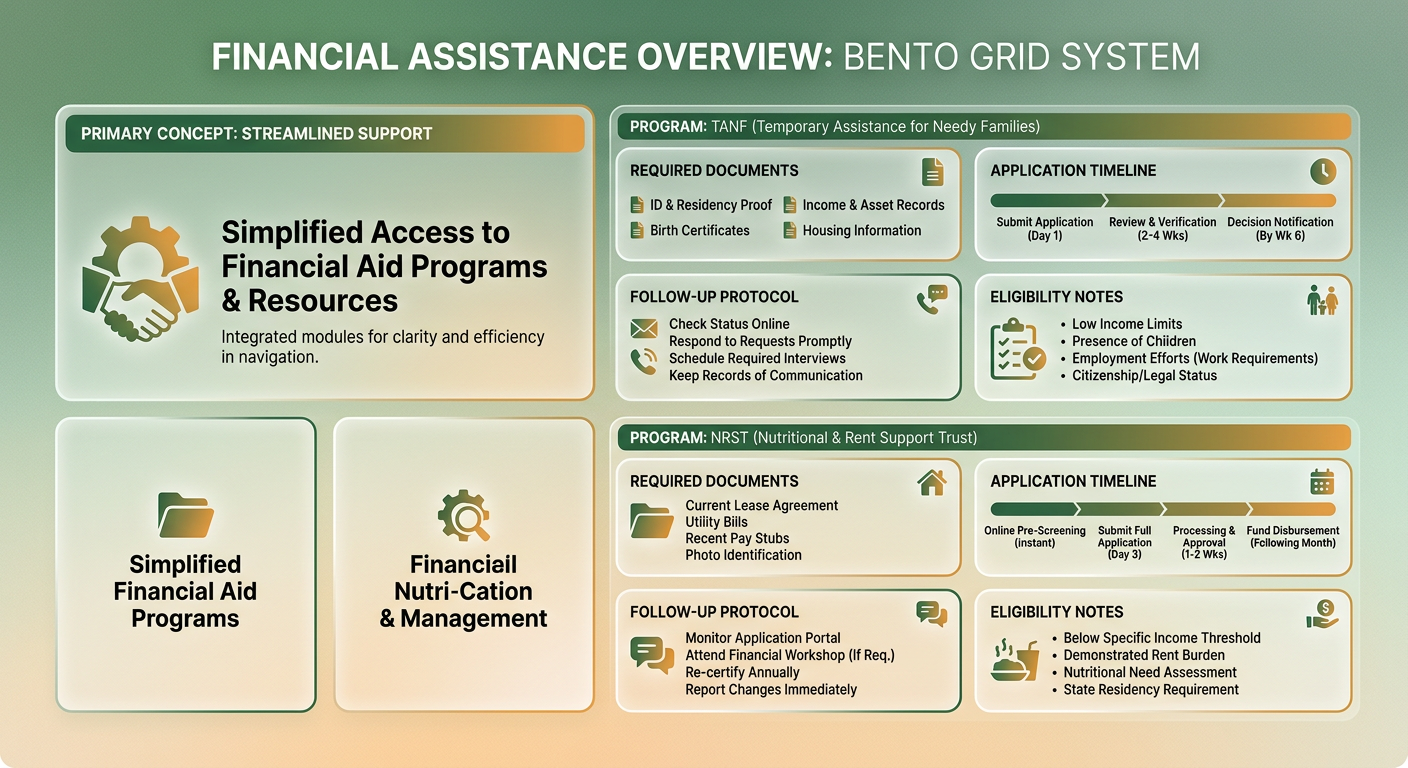
Post-acute withdrawal symptoms affect executive functioning. That's not a minor inconvenience — it means the person who most needs to gather documents, meet deadlines, and manage logistics is the least equipped to do it in the first weeks home. Families who don't understand this get frustrated. Clients who don't understand it blame themselves.
Organizing a daily schedule, managing stress, and maintaining focus in early recovery isn't willpower. It's a skill being rebuilt inside a brain that's still recalibrating. Our coaching model is designed around that reality.
What MADE Recovery's Coaching Includes
Our engagement can begin before discharge. Coaches work with the clinical team to establish a practical daily routine: coordinating with outpatient nursing services, managing nutritional needs through meal planning, organizing grocery shopping. This hands-on support is most intensive in the first few weeks, then tapers deliberately as the client demonstrates stable self-management.
That taper matters. The goal is independent living skills — with scaffolding in place while it's most needed, then removed as stability takes hold.
| Option | Navigation Support | Timeline | Ideal For |
|---|---|---|---|
| TANF Standard Application | None | Weeks to months | Families with existing case management |
| TANF Short-Term Benefits | None | Faster; varies by state | Specific one-time crisis needs |
| Community or Nonprofit Funds | Varies | Case by case | Families with strong local connections |
| MADE Recovery Coaching | Coordinated transitional coaching and crisis management | Support active from first week post-discharge | Families needing hands-on accountability and structure during early recovery |
Pros: Hands-on support for daily physical logistics like meal prep and nursing coordination; structured tapering that builds independent living skills.
Skip this if: The client already has a highly organized family member dedicated solely to managing daily physical logistics.
Pricing: Structured as a coaching engagement. Contact us directly for current package options.
Ideal for: Individuals returning to an environment where managing daily chores, nutrition, and medical appointments would otherwise cause significant stress.
Why Cash Alone Doesn't Close the Loop
The sudden absence of the clinical boundary system (the hourly schedule, the peer group, the supervised routine) leaves a vacuum. Without it, clients must self-regulate in an environment full of old associations. That's the core vulnerability of the first weeks home, and money doesn't touch it.
The Difference Between Financial Stability and Recovery Stability
A cash disbursement can secure housing. It cannot prompt a client to attend their therapy session or hold a consistent sleep schedule. That's where our model does something the programs in this article can't.
We call it accountability pairing: linking logistical milestones, attending an outpatient appointment, with daily wellness habits like consistent sleep and balanced meals. One reinforces the other. A client who shows up to their appointment because a coach expected them there is more likely to maintain the rest of the routine. Small loops. They compound.
Skip this if the individual is unwilling to participate in a structured daily schedule or if another provider is already managing behavioral accountability.
Ideal for: Families who recognize that financial stability alone is insufficient to prevent relapse and want active behavioral reinforcement in the home.
How MADE Recovery Compares to Direct Cash Programs
| Program Type | Payout Timeline | Coordination Support | Recovery Accountability |
|---|---|---|---|
| TANF (standard) | Varies by state | None | None |
| Non-recurrent short-term benefits | Days to weeks | Limited | None |
| Local emergency funds | 24-72 hours (when available) | Varies | None |
| MADE Recovery coaching | N/A. Not a cash program | Dedicated coach | Built-in, week one and beyond |
Pricing: Private-pay model; rates vary by level of support. Contact the team directly for current options.
Pros: Focuses entirely on behavioral outcomes and daily habit formation; provides active reinforcement for outpatient program attendance.
Cons: Requires active participation from the client; does not assist with financial relief or bill payments.
When the Whole Household Is in Recovery Mode
A family member returning from treatment changes the dynamic of the entire household. The people who love them most often walk on eggshells, afraid any friction will trigger a relapse. That tension, even when it comes from a place of care, creates exactly the kind of unpredictable environment that makes early sobriety harder. A calm, predictable home in the first week is a genuinely protective factor. It's not soft — it's clinical.
Who Gets the Most Out of Working With Us
Family-integrated coaching works best when at least one relative or partner is committed to participating in the transition process. When key household members are aligned on the recovery plan, the risk of miscommunication drops significantly.
If the family unit is currently too fractured to engage constructively, or if the client prefers a fully independent transition, we adjust. The focus shifts to individual coaching. The support still starts week one — it just looks different.
| Feature | Detail |
|---|---|
| Support type | Dedicated aftercare coach, ongoing |
| Week-one focus | Daily structure, routine building, family alignment |
| Best for | Clients in early transition who benefit from whole-family involvement |
| Not the right fit | Solid existing support network, no available family involvement |
| Pricing | Contact us for current rates |
Pros: Addresses household dynamics and communication patterns; aligns family members on the recovery plan to reduce domestic stress.
Cons: Requires willingness from family members to participate in coaching sessions; may not be suitable for highly conflicted households.
For more on what the first month of coaching actually looks like in practice, the MADE blog covers it in detail.
Is MADE the Right Fit After Discharge?
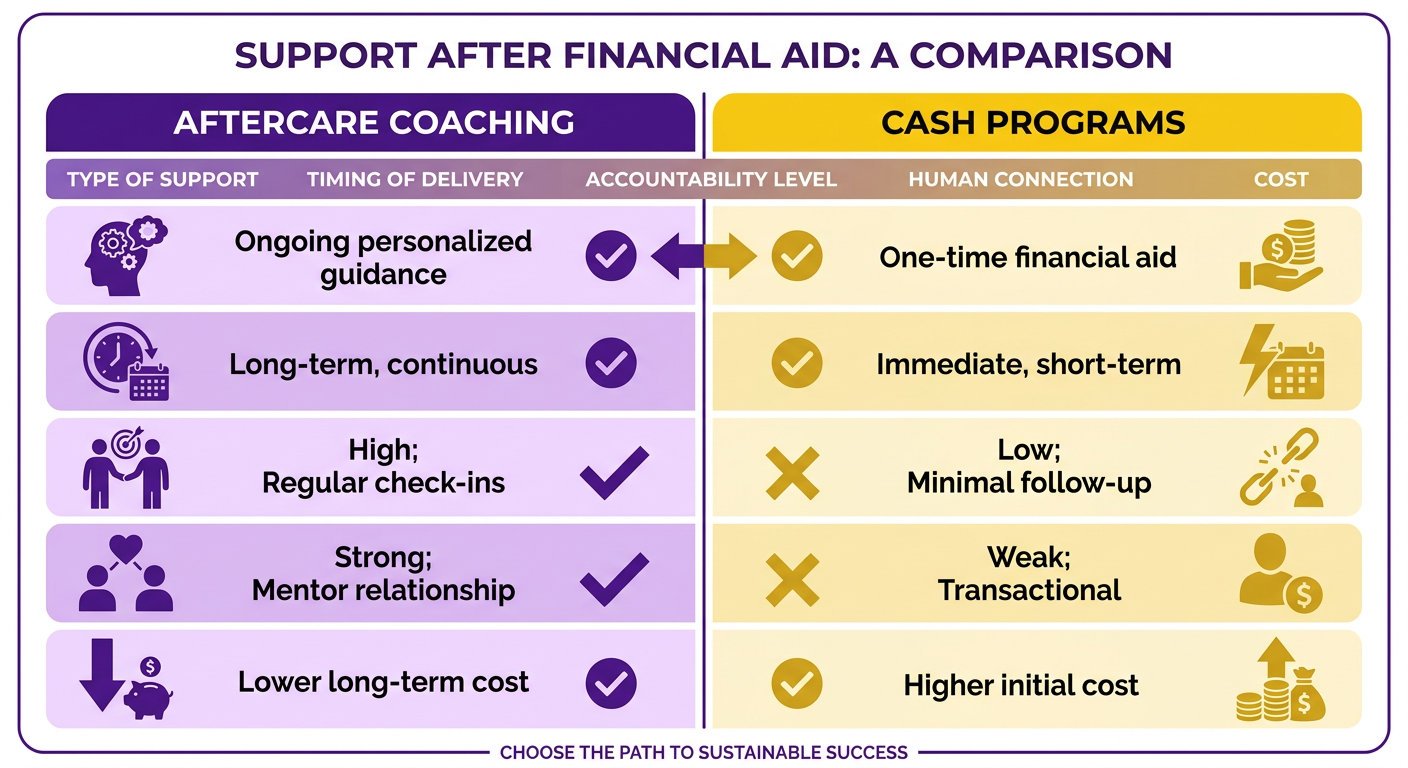
There's a distinction worth drawing clearly: survival needs and supportive services aren't the same category, and they shouldn't compete for the same mental bandwidth.
Emergency funds and cash assistance cover housing, utilities, food. Those come first. If a household is in acute financial crisis, basic needs unmet, lights about to go off, discretionary coaching services should not be the priority. Contact local social services or emergency utility programs first. Our coaching is most effective once a basic financial floor is stable, so the client can focus on behavioral structure rather than immediate survival.
When that floor exists, coaching fills what cash never touches. For single adults without local family involvement, we scale to provide more intensive individual support: daily schedule building alongside the client, nutrition and meal prep, nursing coordination when needed, a coach reachable when stress peaks before it tips into relapse. That's the actual work.
MADE Recovery: Quick Reference
| Detail | |
|---|---|
| Type | Aftercare sober coaching |
| Who it serves | Post-detox and post-residential clients and their families |
| Week-one focus | Routine building, daily structure, accountability |
| Family involvement | Actively encouraged; care level tailored to each client |
| Pricing | Contact for current rates |
| Pros | Human support during the hardest week; covers what cash programs can't touch |
| Cons | Paid service; not a substitute for emergency cash relief |
| Best for | Families with basic financial stability who need structure and recovery support |
| Skip if | Household needs immediate cash assistance and has no budget for coaching |
Holding It Together While Applications Process
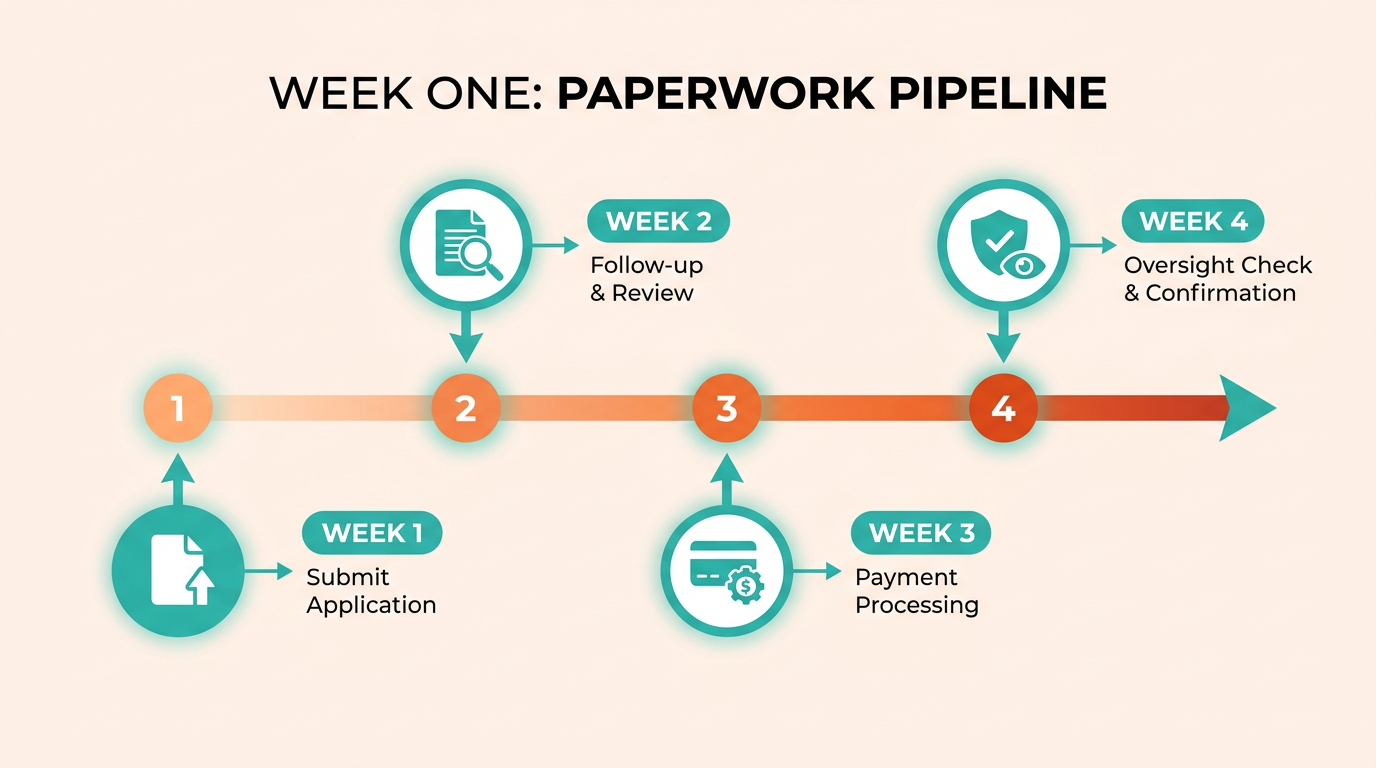
Public benefits applications require follow-through that's genuinely hard to sustain when a family is also managing the emotional weight of a loved one coming home from rehab. Miss one document request, one verification deadline — the case closes. The process restarts. Critical weeks slip.
Our coaches don't fill out those applications. What they do is manage the daily household logistics, meal preparation, schedule coordination, routine maintenance, which frees up the family's mental bandwidth. That cleared bandwidth is what allows someone to stay on top of an NRST application without letting everything else fall apart.
What Scaling Support Looks Like
The value of transitional coaching scales with the complexity of the household. A client returning to a high-demand environment, childcare, employment obligations, complex medical needs, requires more robust support than someone returning to a stable, low-stress home. Our coaches help with real-world trigger management and routine rebuilding, helping the client apply the coping skills from treatment to actual daily scenarios. Support tapers as stable self-management takes hold.
At a glance: cash assistance programs and aftercare coaching
| Option | What it provides | Typical timeline | Best for |
|---|---|---|---|
| TANF | Direct cash | Varies by state | Ongoing income support |
| Emergency rental funds | Payment to landlord | Days to weeks | Immediate housing crisis |
| Utility assistance | Payment to provider | Days to weeks | Preventing service shutoffs |
| MADE Recovery coaching | Accountability + life management support | Week one onward | Individuals transitioning from treatment into daily life |
What I'd Actually Recommend
The first week isn't one program. It's a sequenced decision based on what the household can qualify for and how fast each track pays out.
| Program | What It Pays | Timeline | Work Requirement | 60-Month Cap | Best For |
|---|---|---|---|---|---|
| TANF regular cash | Varies by state | 2–4 weeks+ | Yes | Yes | Stable households meeting participation rules |
| NRST benefits | Cash, vouchers, or services | Faster; admin flexible | No | No | Families in crisis on or just after discharge |
| Emergency rental/utility | $300+ (state-specific) | Varies | No | No | Immediate housing cost gaps |
| Aftercare coaching | Transitional support, not cash | Starts week one | N/A | N/A | Families managing recovery reintegration alongside financial needs |
The Fastest Path to Cash After Discharge
For most households coming out of treatment, NRST is the highest-probability path to cash in week one. The CBPP analysis is clear: no work requirements, no impact on the 60-month TANF lifetime limit. That combination removes the two barriers that knock out most post-discharge applicants from the standard program.
Skip regular TANF as your first call if the person in recovery is currently unemployed and can't document job search activity right away. The work participation rules that govern standard caseloads don't apply to NRST, and trying the standard route first can cost two weeks you don't have.
The catch: NRST is capped at four months per benefit episode, and states administer it with real variation. Your state's version may look like Michigan's Rx Kids model or Maryland's electricity assistance program, or it may be narrowly restricted. Knowing which version is available before discharge day is the difference between a payment landing in week one and a missed window.
Where Families Get Stuck, and What Breaks the Jam
The bottleneck isn't eligibility. States collectively held more than $7 billion in unspent TANF reserves in recent years, even as caseloads shrank. A large, funded pipeline exists. Most families never locate it.
The families who secure cash in week one almost always have someone managing the pipeline: confirming which NRST programs are open in their state, tracking document requests, following up when a case goes quiet. That coordination role doesn't come from the program itself.
Pair NRST outreach with emergency rental or utility assistance for immediate cost gaps, and put someone on follow-up from the moment the first application goes in. The programs are there. The information gap and the follow-through gap are what determine whether any of it lands.
References
[1] Temporary Assistance for Needy Families - Wikipedia - https://en.wikipedia.org/wiki/Temporary_Assistance_for_Needy_Families
[2] TANF's Non-Recurrent Short-Term Benefits Can Provide Necessary ... - https://www.cbpp.org/research/income-security/tanfs-non-recurrent-short-term-benefits-can-provide-necessary-assistance
Frequently Asked Questions
1. Can a family access NRST benefits if they've already been denied for standard TANF?
Yes. Because NRST benefits are funded through a separate administrative allocation within the TANF block grant, they are legally distinct from standard cash assistance. Federal guidelines exclude these short-term crisis cases from the state's work participation calculations. Consequently, a denial based on work requirements or the exhaustion of the standard 60-month lifetime limit does not disqualify a family from receiving emergency short-term assistance.
2. How long does NRST support actually last once it starts?
The federal maximum for a single NRST benefit episode is 120 days. Because states have broad discretion in how they structure these programs, the actual duration and payout frequency can vary. To maximize this support, families should coordinate with a discharge planner to align the application submission with the release date, ensuring the coverage window matches the most vulnerable transition phase.
3. Why do states have billions in unspent TANF funds if families can't get cash after discharge?
The accumulation of significant reserve funds in many state TANF budgets is primarily due to administrative barriers and a lack of public awareness. Because standard TANF programs face legislative pressure to reduce active caseloads, states rarely publicize the availability of non-recurrent short-term grants. This lack of outreach, combined with complex application processes, means that substantial emergency funds remain unused simply because eligible families are unaware they exist.
4. Is standard TANF ever the right first call for a newly discharged person?
Standard TANF is only appropriate if a member of the household is currently ready and able to meet the state's mandatory work participation hours immediately. If the newly discharged individual is still undergoing intensive outpatient treatment or is medically unable to work, the standard application process will likely lead to delays or denials. In such cases, pursuing emergency or non-recurrent programs first avoids wasting critical transition time.
5. How does NRST's payout speed compare to standard TANF, and what actually determines whether cash arrives in week one?
While NRST programs generally feature streamlined verification processes compared to standard TANF, the actual speed of disbursement depends heavily on the completeness of the initial application. Standard TANF requires extensive asset and child support verifications, which can take weeks. NRST programs often allow for expedited processing in crisis situations, provided that all supporting documentation is submitted correctly on day one.
6. What does aftercare coaching actually cover that emergency rental and utility funds don't?
Emergency financial assistance is designed to secure physical stability by paying landlords or utility providers directly. Aftercare coaching, on the other hand, focuses on behavioral stability. While a paid utility bill ensures the lights stay on, coaching provides the daily routines, coping strategies, and personal accountability needed to prevent relapse. These services work best in tandem, addressing both material and behavioral needs.
7. Does the state a family lives in significantly change what NRST looks like in practice?
Yes, state-level variation is substantial. Because the federal government grants states wide latitude in spending TANF block grants, different states design their NRST programs to address different local priorities. Some states focus on direct diversion cash payments to prevent eviction, while others allocate these funds toward short-term utility assistance or childcare vouchers. Families must research their specific state's administrative plan to understand what benefits are actually available.