Where Families Find Weekly Meetings After Someone Leaves Treatment
August 24, 2026
Key Takeaways
- Al-Anon, Nar-Anon, and SMART Recovery Family & Friends focus on family healing, not post-treatment reintegration.
- Al-Anon and Nar-Anon are free, peer-based communities using a 12-step framework. They are widely available for long-term support.
- SMART Recovery Family & Friends offers free, secular, CBT-grounded tools without a higher-power requirement.
- Outpatient family therapy provides clinical support from a licensed therapist. It suits households facing conflict or trauma.
- Residential family programs are immersive and co-located with treatment. They suit crisis situations and early intervention, despite higher costs.
- Aftercare sober coaching with family sessions supports the post-treatment transition better than other options.
- Peer groups and therapy may fall short after residential treatment. Neither coordinates with the recovering person's daily activities.
Quick Summary
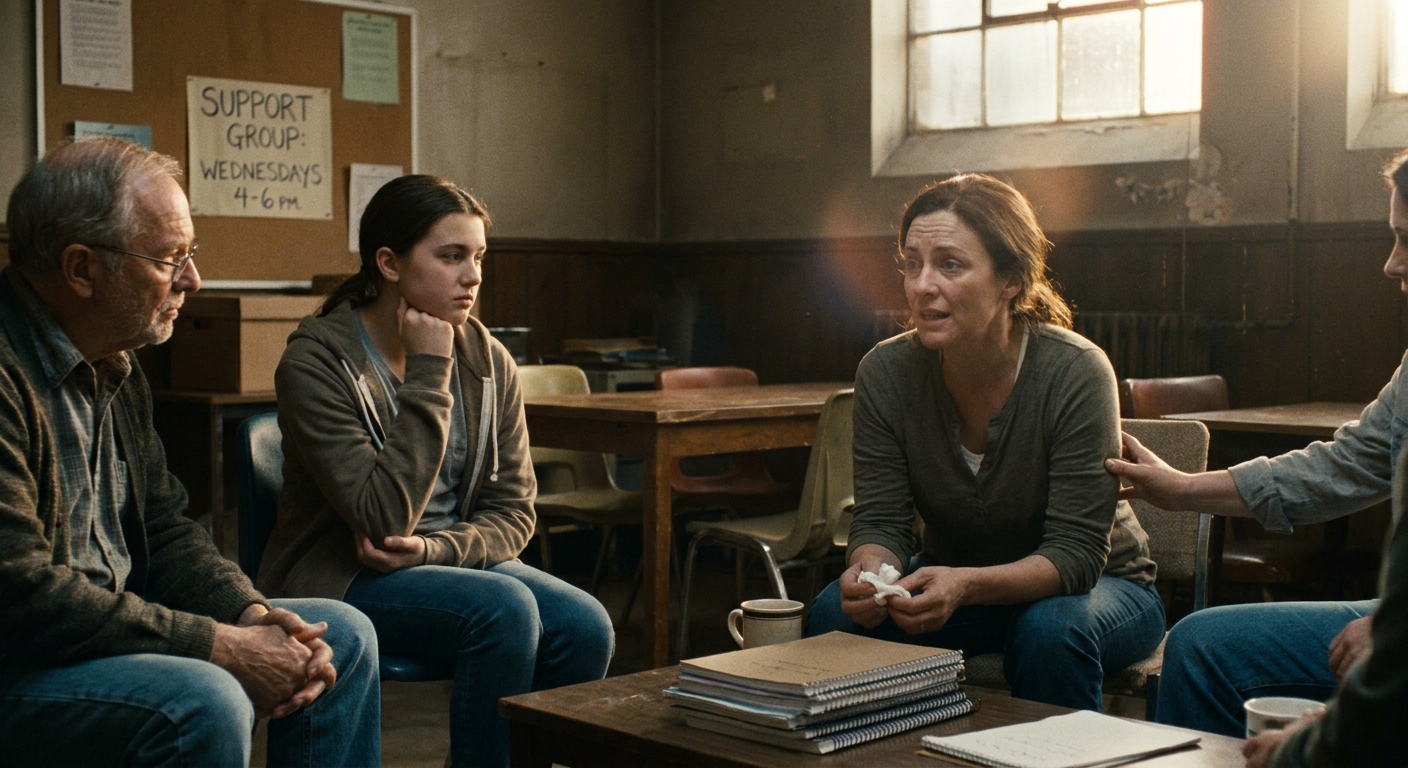
Families searching for support groups for families of drug addicts often consider Al-Anon, Nar-Anon, and SMART Recovery Family & Friends. These groups provide meaningful support. However, they focus on family healing rather than the period after treatment, when a loved one returns home.
That gap is the focus of this article. The table below compares peer support groups, family therapy programs, and coaching-based aftercare. It also explains when each option fits best.
At-a-Glance Comparison
| Option | Best For | Cost | Key Strength |
|---|---|---|---|
| Al-Anon / Nar-Anon | Families processing their own pain over the long term | Free | Peer community, 12-step framework, widely available |
| SMART Recovery Family & Friends | Families who prefer secular, skills-based tools | Free | CBT-grounded techniques, no higher-power requirement |
| Family therapy (outpatient) | Households with active conflict or trauma | Varies by insurance | Clinical depth, licensed therapist |
| Residential family programs | Crisis situations and early intervention | $$$+ | Immersive, structured, co-located with treatment |
| Aftercare sober coaching with family sessions | The post-treatment transition window | Custom | Connects the recovering person's progress with family dynamics in real time |
Which Option Fits the Post-Rehab Window?
The transition out of residential treatment exposes the limits of many options. Peer groups meet weekly and process the past. Therapy addresses the clinical layer. Neither coordinates with what the person in recovery does each day.
Aftercare coaching includes the family as an active participant. At MADE, we provide transitional coaching between treatment and independence. The work includes accountability, guidance, and real human connection. As clients gain stability, support tapers to encourage independence. A dedicated coach or coordinated team can work with both the individual and family.
Skip the residential family program tier if your loved one completed treatment and can safely return home. That intensity suits crisis situations and early intervention, not reintegration.
Why the Usual Groups Aren't Enough After Rehab
Many families we work with have already tried the familiar options. They attended support groups for families of drug addicts and still felt something was missing. Those groups did not fail them. They were designed for a different stage of recovery.
Standard options support families in crisis or long-term maintenance. They were not designed for the six to twelve months after treatment. During that period, the household reorganizes around someone in early recovery. A weekly peer meeting remains valuable, but it cannot address every pressure directly.
When the Standard Options Fall Short
Cost is rarely the main barrier. Al-Anon and Nar-Anon are free. SMART Recovery Family & Friends also operates that way. The main issue is fit and timing, not price.
Families often need support that changes with recovery progress. Peer groups provide emotional support well. They do not address medication reminders, responses to difficult weeks, or changing household roles. American Addiction Centers notes that a structured aftercare plan significantly reduces relapse risk during the first months after rehab. A weekly meeting provides one layer of support. Family-inclusive coaching provides another.
Flexibility also matters. Peer groups are consistent by design. A family six weeks after discharge needs different support than one at month eight. Coaching can shift its focus as circumstances change. Peer support was not designed for that adjustment.
Aftercare Coaching: The Option Families Miss 
Aftercare coaching addresses a gap left by peer meetings. It places a dedicated sober coach alongside the recovering person during the return to daily life. The family receives support while managing that process. MADE developed this model because families often struggle without professional guidance after treatment.
When residential care ends, daily life resumes with new expectations. Coaching helps clients build stability and confidence. It also helps families adjust to the new situation. The focus is practical, day-to-day change rather than clinical theory.
What Makes MADE's Coaching Different?
Customized, team-based coaching provides support during the transition home. A dedicated coach or coordinated team works with the recovering person. The family also learns how to manage the process. Most peer groups direct family members and people in recovery to separate meetings. This approach focuses on the individual's transition while helping the family support it.
Active family involvement can support aftercare. A coach involved in daily life may identify friction before it becomes a pattern. The coach can also provide support during the first critical months.
A conversation with the MADE team can explain how guidance changes over time. It can also help identify a suitable option for your loved one.
Who Is This Right For?
This works best when the recovering person is home and willing to participate. If your loved one remains in active use or refuses to engage, begin with peer support such as Al-Anon or Nar-Anon. Coaching requires a willing participant.
| Option | Best For | Key Strength |
|---|---|---|
| MADE Recovery coaching | Individuals transitioning from detox or residential treatment, with family guidance | Customized, team-based support that tapers as independence grows |
| Peer support groups | Families healing on their own timeline | Free, always available |
A balanced approach may work best. Peer meetings support personal, long-term healing. Professional coaching supports the immediate transition home.
Nar-Anon: The Free Community That Outlasts Everything
Peer-led family groups such as Nar-Anon suit families seeking ongoing community. Nar-Anon is a free, 12-step program for friends and family members of someone struggling with addiction. It offers a community of people who understand their experiences.
Among free options for families of drug addicts, Nar-Anon is widely available and easy to start. Families can find meetings in most regions and attend without an appointment. They can also continue attending as long as needed. That accessibility is its main strength.
What Does Nar-Anon Actually Offer Families?
Nar-Anon is a 12-step peer program. Families of people with substance use disorders share experiences and support one another. The focus remains on the family member's well-being rather than managing the recovering person.
The model uses regular meetings, sponsor relationships, and step work. These practices come from the same tradition as other 12-step programs. Participants learn to set boundaries, detach from chaos, and stop organizing their lives around someone else's use.
Nar-Anon provides a permanent, no-cost community beyond any structured program. It can support long-term processing.
Its limitation is the post-treatment period. Nar-Anon centers family healing, but it does not help households coordinate curfews, money rules, or trust after someone returns home. Coaching focuses on those immediate household logistics. It can help establish boundaries and daily routines that peer groups are not designed to coordinate.
| Feature | Nar-Anon |
|---|---|
| Cost | Free |
| Format | Peer-led 12-step meetings |
| Best for | Long-term family healing and community |
| Key strength | Widely available, no appointment needed |
| Main gap | Doesn't address household logistics post-treatment |
Use Nar-Anon as a foundation for long-term community. Consider structured coaching when you need help managing daily household changes.
Family Therapy: When You Need a Clinician in the Room
Structured family therapy programs suit households needing professional facilitation. Unlike drop-in meetings, these programs involve a licensed clinician. The clinician guides sessions, mediates conflict, and treats the family as a unit. This structure matters when communication has seriously broken down.
Family therapy differs from peer support. A peer group provides community. A family recovery program provides a facilitator who guides discussion, identifies dysfunctional patterns, and holds participants accountable. This can help when old wounds disrupt attempts to communicate.
What Do Family Recovery Programs Actually Offer?
Family recovery programs use clinician-led sessions to treat addiction as a family-wide condition. They address communication, boundaries, and relationship repair alongside the recovering person's progress.
Programs tracked through the DHCS Opioid Response network and Connecticut's state family recovery services (SEPI-CT) often follow a set curriculum. Families commit to a series of sessions instead of attending only when convenient. That commitment can be both a strength and a barrier.
Cost and access are the main tradeoffs. Many programs bill insurance or rely on limited public funding. Availability therefore varies by region. A waitlist can be a serious problem when help is needed immediately.
Pros, Cons, and Who It Fits
| Option | Best For | Cost | Key Strength | Key Limitation |
|---|---|---|---|---|
| Family Recovery Programs | Households needing clinical facilitation | Insurance / public funding | Licensed facilitator, structured curriculum | Waitlists, fixed schedules |
| MADE Aftercare Coaching | Families reorganizing post-treatment | Paid service | Connects the recovering person's progress with family dynamics | Not a free peer group |
Skip a formal program if your household functions well and you mainly want peer support. Clinical structure may be unnecessary in that situation.
MADE coaching differs through real-time adaptability. Instead of following a fixed clinical curriculum, it provides day-to-day guidance. That guidance changes as the client and household progress.
Online Communities: Support at 2 a.m.
Online communities suit families needing support at unusual hours or living far from in-person meetings. Forums, moderated Facebook groups, and virtual 12-step rooms provide places to ask questions at 2 a.m. during a relapse scare. For rural families, they may be the only practical option.
Most digital options use the same peer model as Nar-Anon. They provide community but do not direct discussion toward a specific household. Their reach and immediate access remain valuable.
What Do Online Family Communities Actually Offer?
Online family communities include virtual peer spaces, forums, video meetings, and moderated social groups. Families of people in recovery share experiences and advice without traveling.
Availability is their main advantage. Families can post when needed and read stories on their own schedules. They do not need to wait for the next meeting. This flexibility helps parents working nights and siblings living in another state.
The tradeoff is depth. Text threads can miss nuance, and moderation quality varies. Online spaces provide information and reassurance. They are less effective for managing the daily friction of someone returning home. Sober coaching addresses that transition through accountability, human connection, and practical reintegration support.
Comparison Table
| Option | Best For | Cost | Key Limitation |
|---|---|---|---|
| Online communities | Rural or off-hours access | Free–low | Uneven moderation, shallow follow-through |
| MADE aftercare coaching | The post-treatment home transition | Paid | Not a free drop-in resource |
Online spaces work well as an always-open source of quick advice. When active conflict strains the household, hands-on guidance may be more effective.
Faith-Based Ministries: When Belief Anchors the Home
Faith-based recovery ministries suit families seeking spiritual support. Programs such as Celebrate Recovery combine peer community with a shared belief system. Families can discuss prayer and recovery in the same setting. This alignment matters when faith already anchors daily life.
Faith-based options are often overlooked in secular discussions. They use a peer model similar to Nar-Anon, but their spiritual framework changes the group experience. That framework attracts some families and discourages others.
Who Are Faith-Based Recovery Groups Best For?
Faith-based recovery ministries are peer-led groups that combine addiction support with a shared religious framework. Churches usually host them at no cost.
These groups work when faith is already part of the family's coping process. Spiritual language feels natural, and the community may extend beyond meetings. The cost is almost always free. Families receive fellowship and a framework for forgiveness and accountability.
Skip this option if faith is not part of your household. Its spiritual framing may feel alienating to some families.
The main limitation is similar to other peer groups. These ministries build community but do not guide families through specific household dynamics. A Sunday meeting will not work through curfews, money, or trust after treatment. Professional aftercare addresses those practical concerns. A ministry provides spiritual support, while a dedicated coach helps establish household agreements and daily routines.
Comparison Table
| Option | Best For | Cost | Key Limit |
|---|---|---|---|
| Faith-based ministries | Families with existing faith practice | Free | No household-specific facilitation |
| MADE aftercare coaching | Post-treatment household transitions | Paid | Coach-led, not a peer community |
Faith-based groups can provide comfort for spiritually active households. Pairing them with home-focused coaching adds practical support.
Family Education Workshops: Understand It First
Family education workshops suit people who want to understand addiction before joining a support group. These time-limited classes are not ongoing groups. They explain substance use disorder, changing family roles, and the household's role in recovery.
A workshop differs from a drop-in group. Workshops teach. Peer meetings provide ongoing support. Both serve different needs, and families may need education before community support feels useful.
What Do Family Education Workshops Actually Offer?
Family education workshops are structured, short-term courses about addiction and recovery. Treatment centers or human service programs usually run them.
The content is their main value. Families learn why their loved one may behave differently during early recovery. They also learn why old family patterns may continue. This knowledge can change responses during difficult moments. It may also reduce the shame that keeps families silent.
Education is only a first step. Understanding addiction science does not automatically help during a tense dinner conversation. Coaching bridges that gap by turning educational concepts into practical support. It helps families apply what they learned to household interactions.
Summary Comparison
| Option | Best For | Cost | Key Strength | Key Limit |
|---|---|---|---|---|
| Family education workshops | Families new to addiction who want to understand it first | Low to moderate | Builds knowledge and lowers shame | Time-limited; no ongoing trust-rebuilding |
| MADE aftercare coaching | Households reorganizing in the post-treatment window | Paid | Connects the recovering person's progress to family dynamics | Not a free drop-in peer room |
Skip workshops if your family understands addiction and mainly needs ongoing support. In that case, a peer group may fit better. Choose a workshop when confusion drives the family's fear. Add coaching after you understand the situation.
Family-Inclusive Coaching: Keeping Everyone in the Room
Family-inclusive aftercare coaching is often overlooked. Other options generally address the recovering person or the family separately. This approach keeps the family involved while the recovering person rebuilds daily life.
The gap is specific. When someone returns from residential treatment, the household does not simply resume normal life. Roles may have shifted, and trust may be fractured. Money, curfews, and stress responses can become difficult topics. A peer meeting helps family members process feelings. It does not decide what to say at dinner on day four.
What Does Family-Inclusive Aftercare Coaching Actually Offer?
This approach uses active, real-time collaboration. Coaches work with the individual during the return to daily life. They also help the family establish healthy boundaries. That focus keeps everyone aligned, reduces friction, and supports a sustainable path forward.
Skip this option if your loved one remains in active treatment or the family is not ready to participate. Post-treatment coaching requires a willing household. If the family is in crisis and needs separate support, begin with Nar-Anon or structured family therapy. A conversation can help identify the right sober coaching program.
At a Glance
| Feature | Family-Inclusive Aftercare Coaching |
|---|---|
| Best for | Households in the 6-12 months post-treatment window |
| Format | One-on-one or team coaching with family involvement |
| Cost | Private pay; varies by provider |
| Key strength | Supports the recovering person while guiding the family |
| Skip if | Family not ready to engage, or loved one still in residential care |
After the initial crisis, households begin the quieter work of rebuilding. Specialized coaching provides guidance that general peer groups cannot.
SMART Recovery Family & Friends: The Secular, Skills-Based Option
Peer groups connect families with people who understand their experiences. Families seeking a secular, skills-based alternative to spiritual-surrender models may prefer SMART Recovery Family & Friends.
Nar-Anon uses a 12-step framework. SMART Recovery Family & Friends uses cognitive-behavioral tools, including the CRAFT model (Community Reinforcement and Family Training). The focus is practical. Families learn communication strategies, ways to avoid reinforcing harmful behavior, and methods for self-care without guilt.
What Does It Actually Offer?
This free, science-based peer program teaches behavioral skills instead of spiritual surrender. Meetings occur online and in person. Participants do not need to identify as powerless or complete steps. Sessions typically last about 90 minutes and follow a structured agenda. Participants leave with a concrete plan rather than only venting.
The CRAFT model has a stronger evidence base for helping a loved one enter treatment than Al-Anon or Nar-Anon. Research on CRAFT shows treatment-engagement rates roughly two to three times higher than traditional intervention or 12-step-facilitation approaches. This reflects a different goal, not a criticism of those programs. For loved ones still in active use, CRAFT offers tools for influencing the situation. After treatment, the skills still apply, but the fit is less direct.
When to Skip It
Skip this program if your loved one is in early recovery and household concerns are the main challenge. It was designed for families dealing with active use, and its meetings reflect that focus. You will learn useful communication tools, but the group may not address your specific situation.
For families in the post-treatment period, professional coaching offers a more individualized option. Coaches coordinate daily details, including scheduling and accountability. Pairing peer-led skills with personalized coaching provides both education and practical support.
| CRAFT Peer Program | Nar-Anon | Family-Inclusive Coaching | |
|---|---|---|---|
| Framework | CBT / CRAFT | 12-step | Individualized |
| Cost | Free | Free | Paid |
| Best for | Families with loved one in active use | Long-term peer community | Post-treatment household transition |
| Facilitator | Peer-led | Peer-led | Dedicated sober coach |
| Skill-building focus | High | Low | High |
Final Recommendations
No single option suits every family. The right choice depends on your loved one's recovery stage and your household's current needs.
When comparing peer support with coaching-based aftercare, ask one question. Do you need community for your own healing, or help reorganizing the household after treatment? Both options matter, but they solve different problems.
Which Option Fits Your Situation?
| Option | Best For | Cost | Our Take |
|---|---|---|---|
| Nar-Anon / Al-Anon | Long-term peer community | Free | Best for budget. Start here if cost is your barrier. |
| Peer-led recovery meetings | Families wanting shared accountability | Free/low | Best for ongoing connection with others who understand |
| Family therapy programs | Households needing a clinician | $$$ | Best when communication has fully broken down |
| Online communities | Rural or off-hours access | Free | Best for immediacy and reach |
| Faith-based ministries | Spiritually grounded families | Free | Best when shared belief anchors the home |
| Education workshops | Families new to addiction | Varies | Best for understanding before community |
| Family-inclusive aftercare coaching | The post-treatment transition | $$ | Best for the transition from treatment to everyday life |
Best for budget: Free peer groups are the most accessible option. Nar-Anon and Al-Anon cost nothing and operate in most regions, with meetings during days, nights, and weekends.
Best for the transition window: Family-inclusive coaching supports the period after treatment. Research shows structured support during the first 90 days home cuts relapse risk significantly. This is also when families often feel most uncertain. A transition plan involving the individual and family provides structure as the household stabilizes.
Skip coaching if your loved one remains in active use or you mainly need long-term peer support. A free group may serve you better.
The strongest plans may combine several tools. Pair a free peer group with focused coaching during reentry. To discuss a tailored transition plan, contact our team at 661-369-6255.
References
[1] Substance Use Disorder Support for Families - DHCS Opioid Response - https://californiaopioidresponse.org/resource/substance-use-disorder-support-for-families/
[2] NAR-ANON FAMILY GROUPS – A 12-Step Program for Family ... - https://nar-anon.org/
[3] Family Recovery Programs in CT - SEPI-CT - https://www.sepict.org/individuals-and-families/family-recovery-programs/
[4] Effects of social support and 12-Step involvement on recovery among ... - https://pmc.ncbi.nlm.nih.gov/articles/PMC6803054/
[5] Aftercare Programs | Groups & Activities for Addiction Recovery - https://americanaddictioncenters.org/rehab-guide/aftercare
[6] (PDF) Understanding Addiction Recovery and Families - https://www.researchgate.net/publication/393946305_Understanding_Addiction_Recovery_and_Families_Family-Focused_Support_Groups_in_Human_Service_Education
Frequently Asked Questions
1. Can I attend Al-Anon and use aftercare coaching at the same time?
Yes. Many families use peer groups to process their experiences. Professional coaching addresses the transition's practical, daily logistics. Together, they provide broader support.
2. What should I do if my loved one refuses to participate in coaching?
If your loved one is not ready to work with a coach, start with peer-led groups. These spaces let you focus on your well-being and learn boundary-setting strategies independently.
3. Is SMART Recovery Family & Friends a good fit if I'm not religious?
Yes. This program is secular and focuses on evidence-based communication and self-care strategies. It suits people seeking a practical, skills-based approach without spiritual or 12-step components.
4. When is a residential family program the wrong choice?
These intensive, multiday programs typically serve families facing active crises or the initial weeks of inpatient treatment. After a loved one returns home, outpatient support or coaching usually fits daily life better.
5. How is family therapy different from a family education workshop?
Therapy provides clinical intervention for deep conflicts and communication patterns. Workshops teach families about substance use science and recovery dynamics.
6. Are online family communities enough on their own?
Digital forums provide convenient, around-the-clock access to peer advice. However, they lack personalized guidance for active household conflicts. Use them as supplemental support rather than the main resource for family tension.
7. What makes the post-treatment window so difficult for families?
The entire household must adjust to new routines and expectations. Families must rebuild trust and establish healthy boundaries. Without structured, real-time support, these changes can create tension.