What Caregivers Should Track During the First 90 Days Home
August 17, 2026
I’m editing only the prose and markdown glitches, keeping every claim and structure intact. First pass is to remove cutoff text, tighten sentence length, and fix the few places where images got jammed into headings or paragraphs.
Key Takeaways
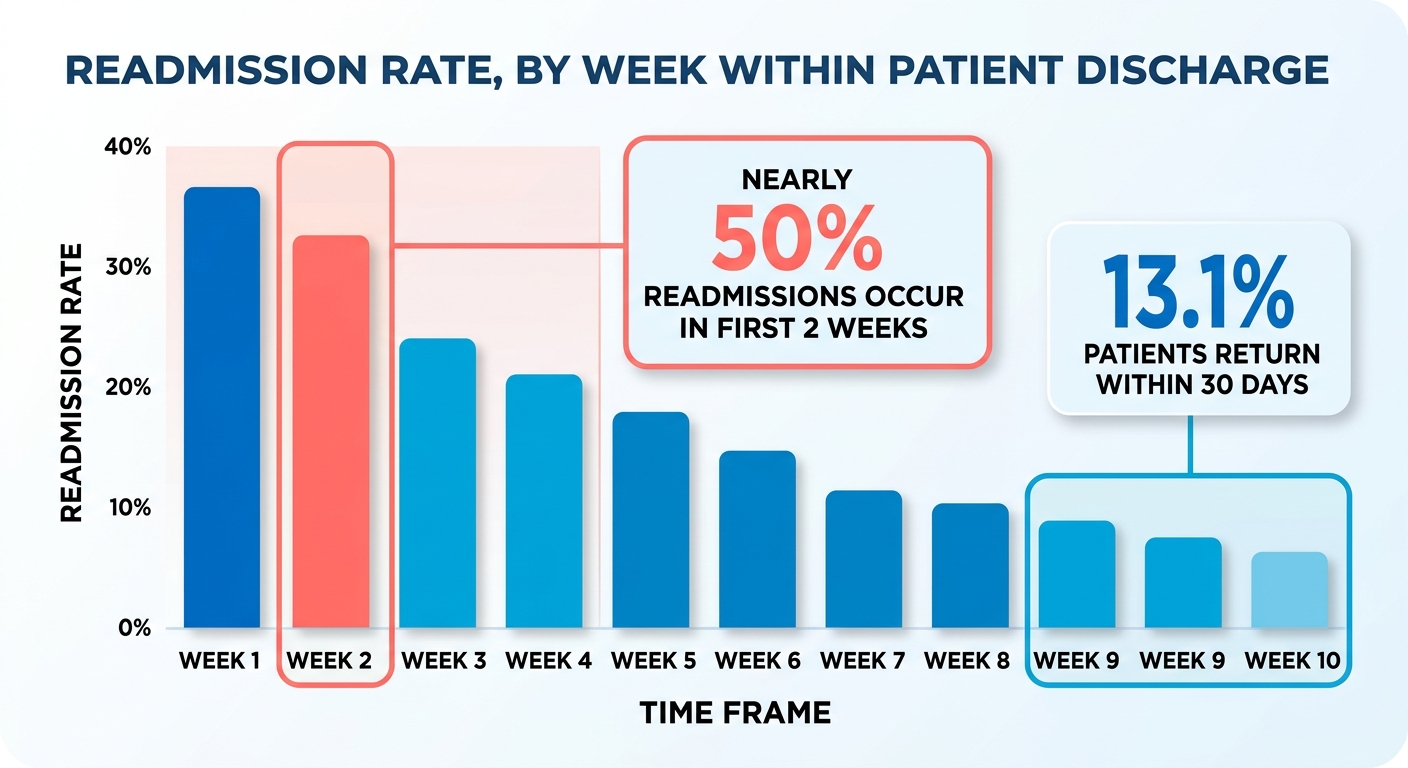
- Nearly half of all readmissions happen within the first two weeks after discharge. Early vigilance matters.
- Research shows 13.1% of patients return to inpatient care within 30 days of leaving treatment.
- Two out of four caregivers linked readmissions to post-discharge knowledge gaps.
- Tracking shifts caregiving from reaction to pattern recognition.
- Daily notes on sobriety milestones, cravings, and meeting attendance reveal problems early.
- Written discharge instructions alone often fail families.
- The highest-risk period lasts through the first 90 days.
Why Tracking Matters in the First 90 Days
The first two weeks home carry the highest risk. This transition window needs close attention. Tracking turns worry into practical action.
Clear written instructions are not enough. Research on caregiver experiences shows a common gap: families struggle to turn static discharge paperwork into real-time caregiving. The challenge is turning clinical guidance into a plan you can use when cravings or emotional strain hit at midnight.
What Changes When You Track Progress
Tracking changes care from reactive to proactive. Instead of waiting for a crisis, you're building a record that reveals patterns early. Caregivers who log daily sobriety milestones, note craving spikes, and record meeting attendance spot warning signs days before relapse. That lead time creates room to act early by scheduling an extra session, adjusting medication, or starting a needed conversation.
The data supports this approach. Scheduling follow-up appointments before discharge cuts readmission risk by roughly 21%. That reduction depends on knowing what to watch and having a system for responding. A calendar reminder helps. A log showing three nights of poor sleep, two missed calls, and growing isolation gives better context.
Who Benefits Most From This Approach
This approach works best for caregivers supporting someone who finished detox or residential treatment and is now facing the first 90 days home. If your family member returns to the same environment that supported substance use, tracking matters even more. You're not just monitoring recovery. You're noting which situations, people, or routines raise risk so you can adjust the environment.
Skip this approach if your loved one is still struggling to accept help. Tracking needs buy-in from the person in recovery. Pushing it too early can feel like surveillance instead of support. Wait until they're ready to work on the plan together. For families dealing with co-occurring mental health conditions, tracking sobriety markers alongside mood and behavior helps. Those patterns often move together, and seeing them in writing supports better decisions.
Building a Sustainable Tracking System
A structured system helps prevent caregiver burnout during high-risk periods. Start with daily observations during the first two weeks: sobriety status, sleep quality, appetite, and recovery activities. As stability improves, adjust the frequency based on needs and what you can maintain. The goal is consistency during the most vulnerable window, with flexibility as circumstances change.
Track key indicators: sobriety milestones, relapse warning signs, engagement with support systems, physical health markers, and environmental triggers. You do not need a complex app or spreadsheet. A simple notebook works. The value lies in noticing and recording, not in the format.
This is not about policing someone's recovery. It's about building a shared record that supports informed choices. Done well, tracking becomes a tool for autonomy.
Building a Supportive Environment

Families searching for resources through networks like NAMI Family-to-Family often face a hard truth: home triggers can quietly undo months of progress. That is why coaches guide families through an environmental purge. They remove substances, paraphernalia, and reminder cues as clients move from detox or residential treatment back into daily life. This is not about shielding someone from everything. It is about identifying specific risks before they become relapse cues.
What Should You Check First?
Start by removing substances and paraphernalia, securing medications, and identifying social media accounts or contacts tied to past use. Families can handle this systematically:
- Clear all alcohol, prescription drugs not currently prescribed, and over-the-counter medications that could be misused (cough syrups, sleep aids). Lock remaining medications in a secure cabinet and control distribution daily.
- Remove drug paraphernalia, dealer contacts from phones, and hidden stashes in common hiding spots (spare rooms, garage, vehicle). Ask your loved one to help identify these locations. This builds accountability.
- Review social media connections and phone contacts. Block or remove friends who were active use partners. This can feel invasive, but it helps clear reminder cues from the environment.
- Establish clear boundaries around visitors. Decide together who can visit, when, and under what circumstances. Write these rules down and post them where everyone can see them.
How Do You Build Routine Without Micromanaging?
Structure reduces decision fatigue, which is when cravings often spike. Build a daily schedule that balances accountability with autonomy. Start with fixed anchor points: wake time, meals, exercise, support meetings, and bedtime. Fill gaps with productive activity, such as volunteer work, hobbies, or skill-building, instead of leaving open blocks that invite boredom.
This rhythm works best when caregivers participate alongside their loved one. If they attend a 7 PM support group, find a parallel way to stay engaged during the same hour. Parallel engagement keeps everyone involved without sliding into surveillance.
Social support matters as much as household logistics. Programs rely on mentorship and community connection. Coordinate a support network, including a dedicated coach and any family members the client chooses, early. That keeps caregivers from assembling a system under pressure.
Caregiver Self-Care and Burnout Prevention
Caregiver burnout is not a personal failing. It is a predictable outcome when one person carries the emotional and logistical weight of another's recovery without rest. Families who seek out peer support networks often do so after weeks of running on empty. The caregiver crashes just when steady support matters most.

Tracking should protect you, not drain you. Caregiver involvement is critical during the initial transition. Research on discharge teaching emphasizes the need for structured family support. Your logging should match your capacity and help you build a manageable routine that prevents exhaustion before the 90-day mark.
What Are the Early Signs of Caregiver Burnout?
Burnout shows up in the body and mood before it becomes a crisis. Watch for these cues and log them the same way you'd log a client's symptoms.
- Track your own sleep and appetite changes. Disrupted sleep is often the first warning that you're overextended.
- Note irritability or emotional numbness during daily check-ins. Resentment toward the person you're helping signals you need relief now.
- Flag when you've dropped your own appointments or medications, a common sign your needs have fallen off the map.
How Do You Build Self-Care and Respite Into the Routine?
Respite care means planned, guilt-free breaks where someone else takes responsibility. It is the single most effective burnout prevention tool, and it works best when scheduled ahead of time.
Families that split roles handle recovery support more effectively than solo caregivers. Dividing responsibilities among multiple family members or support system members helps keep one person from carrying the full load.
- Schedule at least one recurring respite block each week and treat it as non-negotiable.
- Connect with a peer caregiver group so you're processing the strain with people who get it, not bottling it up.
- Keep your own emotional well-being check-in on the calendar. Use five minutes for an honest read on how you're actually doing.
Which Logs Protect You Instead of Draining You?
The right logs reduce mental load. Instead of holding everything in your head, you move it onto paper or an app, which is also a form of self-care.
Research shows that caregivers who use structured tracking systems report lower stress levels and better treatment adherence than those relying on memory alone. Writing down medication schedules, appointment details, and symptom changes reduces the cognitive burden of constant recall.
- Keep a medication schedule tracker so you're not re-checking doses from memory every few hours.
- Maintain an appointment and visit log to confirm follow-ups actually happen, not just that they're booked.
- Run a short daily care activity and health monitoring note during the first 14 days, then taper to a lighter weekly rhythm as things stabilize.
Skip round-the-clock daily logging after the early window. Keeping that intensity for all 90 days burns caregivers out before recovery steadies.
Ongoing Progress Review and Adjustment
Regular progress reviews keep everyone honest about what is working. Support tapers as clients find their rhythm. If you're connecting with local community support groups during this period, those meetings become a natural complement to your internal reviews and add structured accountability.
What Should You Track Between Reviews?
Your tracking log should capture three data streams: adherence to the recovery plan, behavioral cues, and engagement with sober supports. Families who track these consistently catch warning signs, like growing isolation or skipped meetings, before they escalate.
- Log daily check-ins with your loved one to track mood, sleep quality, and any cravings or triggers encountered.
- Record attendance at support meetings, therapy sessions, and coaching calls to identify disengagement early.
- Note behavioral changes such as withdrawal from family activities, changes in sleep schedule, or increased irritability.
- Track sober support contact, including sponsor calls, peer connections, and participation in recovery community events.
When Should You Adjust the Plan?
Adjust when the data shows a pattern, not after a single bad day. Three consecutive meeting skips warrant a conversation. A week of poor sleep combined with mood swings signals risk. The review meeting is where you lay out what you've logged, identify what is trending wrong, and decide together what to change. That might mean adding a second weekly check-in, swapping an ineffective support group for a new one, or bringing in additional clinical support.
How Do You Celebrate Progress Without Triggering Complacency?
Mark milestones clearly: 30 days, 60 days, 90 days. Acknowledging the work your loved one is doing without declaring victory helps maintain momentum. A milestone dinner or a handwritten note carries weight. Treating the 90-day mark as a finish line does not help. Recovery continues, and the shift from intensive tracking to maintenance mode should feel like a change in rhythm, not an ending.
Documentation and Reporting Requirements
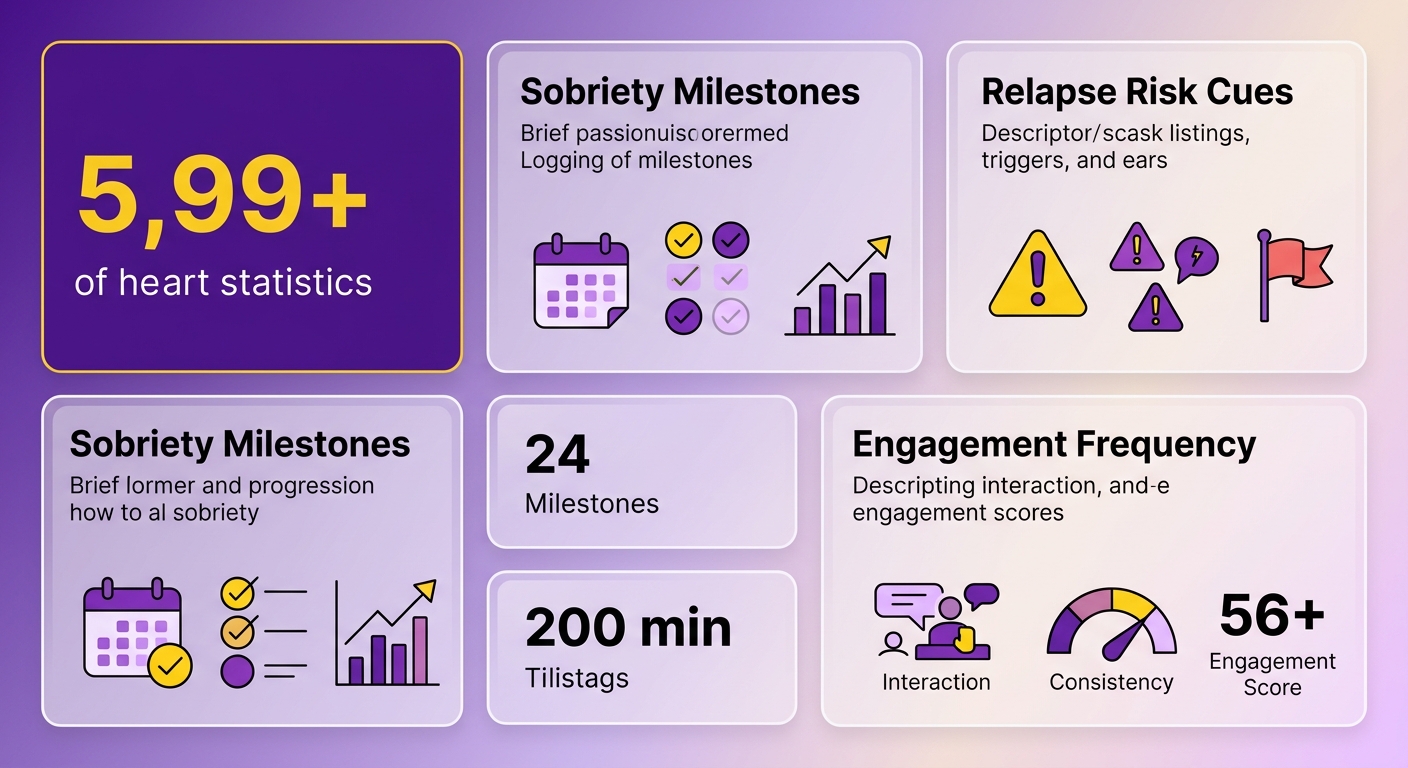
Good documentation turns scattered worry into a record you can use. For caregivers in the first 90 days, that means logging three things consistently: sobriety milestones, relapse risk cues, and how often your loved one engages with recovery support. When you sit down with a professional counselor or a coach, a clean written record makes those conversations far more useful than trying to remember details.
Accuracy matters more than volume. A dated line that reads "missed two check-ins, slept four hours, canceled a sponsor call" tells a coach more than a page of general anxiety. Keep entries short, timestamped, and factual.
What Should Your Documentation Capture?
Your log should track observable facts across three streams so patterns surface before they become crises.
- Sobriety milestones with dates (first week home, 30 days, 60 days) so wins are visible and celebrated, not lost in the day-to-day.
- Relapse risk cues like sleep disruption, mood shifts, or social withdrawal, noted the day you see them so timing stays accurate.
- Support engagement including meeting attendance, therapy sessions, and sponsor contact, which shows whether the recovery plan is actually being used.
- Missed commitments with brief context. A canceled session matters more when you know why it happened.
When and How Should You Report It?
Report early and often, then taper as your loved one steadies. This front-loaded rhythm matches where risk clusters.
- Share your log at each scheduled review so the person guiding care works from facts, not secondhand summaries.
- Flag urgent cues immediately rather than waiting for the next check-in. A cluster of warning signs is a same-day conversation.
- Keep entries in one place, such as a shared note, an app, or a simple notebook, so nothing gets fragmented across texts and memory.
Many coaching programs integrate family input into planning and adjust check-in frequency as clients build independence. If your household splits recovery duties, dividing the documentation role keeps one person from carrying the whole record alone.

References
[1] Returning Home After Rehab: How to Transition Smoothly & Stay Grounded - https://pinnaclerecovery.org/returning-home-after-rehab-transition-guide/
[2] Caregiver Inclusion in IDEAL Discharge Teaching - https://pubmed.ncbi.nlm.nih.gov/35617533/
Frequently Asked Questions
1. What if my loved one feels like tracking is surveillance rather than support?
To avoid making your loved one feel monitored, frame the log as a collaborative tool for self-discovery rather than a report card. Discuss the tracking process openly and agree on what will be recorded. When they help define the process, the focus shifts from oversight to shared support and goals.
2. Is a dedicated app better than a notebook for tracking recovery?
The best tracking tool is the one you will actually use consistently. Digital apps offer reminders and easy sharing, while physical journals can feel more personal and less clinical. Focus on keeping records centralized and easy to update so everyone involved in care can access the information easily.
3. What if I'm the only person available to provide caregiving support?
When operating as a solo caregiver, firm boundaries and outside support matter. Look into local volunteer programs, professional respite services, or online support networks for temporary relief. Caring for your physical and mental health is not selfish. It is necessary to sustain caregiving over time.
4. How should I handle tracking when there's a co-occurring mental health condition?
When managing dual diagnoses, look for links between emotional shifts and recovery milestones. Documenting changes in anxiety, depression, or sleep alongside sobriety metrics can help clinical professionals fine-tune medication or therapy. Specialized family support networks can also help with these overlapping challenges.
5. When does a warning sign actually warrant action versus waiting?
Separate isolated hard moments from longer patterns. If you notice multiple indicators, such as a sudden change in communication combined with missed appointments, over several consecutive days, it is time to start a supportive conversation or contact a professional. Trust your documentation to show when a setback is becoming a persistent trend.
6. How do I involve my loved one in clearing environmental triggers without it feeling invasive?
Approach the environmental sweep as a joint safety project. Invite your loved one to lead the process of securing the home, allowing them to take ownership of their recovery space. Framing these changes as protective boundaries rather than restrictions helps build shared responsibility and lowers friction.
7. Does tracking need to stay intense across the full 90 days?
No, keeping high-intensity tracking for three months is unsustainable and often counterproductive. Move from detailed daily logs during the first high-risk weeks to broader weekly check-ins as routines become established. This step-down approach follows the natural progression of recovery and keeps essential safety nets in place.