How to Stage Veteran Family Reintegration Through Phased Sobriety Coaching
August 23, 2026
Key Takeaways
- Veterans hit a relapse cliff. A 2022 VA study puts the risk 1.5 times higher within 90 days of discharge without structured aftercare.
- Strong family cohesion drops relapse risk by 30%. Yet standard discharge planning rarely trains households to help.
- The 90-day post-treatment window is the danger zone. Clinical care ends as ordinary life and its pressures return.
- Nearly 60% of the 2.6 million service members deployed since September 2001 were married with dependent children affected by recovery.
- Traditional aftercare gives veterans a follow-up appointment and phone number, then leaves families to figure out the rest.
- The FAMILIAR intervention, adapted from the REORDER PTSD program, uses 3-4 sessions to help a support partner get a veteran into therapy.
- Team-based coaching treats the whole household as part of recovery, not as spectators watching clinical care happen.
Why family reintegration is where recovery gets won or lost
A veteran leaving detox or residential treatment faces a relapse cliff. Their family is either the safety net or the missing rung. That transition rarely includes a plan, leaving a wide gap as formal clinical oversight ends.
The scale explains the stakes. Deployments since September 2001 have affected households across the country, as research on military family reintegration explains. When families carry recovery alone, strain affects spouses and children first. That's why we involve loved ones instead of leaving them on the sidelines.
Why traditional aftercare leaves a gap
Standard discharge protocols focus on the individual. They send families home without a playbook. That's a missed opportunity. Strong domestic bonds improve long-term sobriety, but discharge planning rarely trains families to join the plan.
Early family involvement has research support. Preparing a support partner before formal clinical work begins can increase a veteran's therapy engagement, as shown in studies on PTSD treatment initiation. We use the same approach. We help families map detox and treatment pathways from the crisis stage forward. This makes the household part of the support system, rather than a bystander. One review of veteran family services states that "family involvement in treatment is associated with improved treatment outcomes".
When should coaching intensity taper?
The sources disagree, and that disagreement is useful. One camp argues reintegration needs coordinated, multilevel intervention across treatment, education, and community. Another argues we should strengthen families' natural settings to build resilience instead of relying on clinical structure.
Both approaches work during different phases. Our rule is simple: front-load formal coaching during crisis and early treatment. Then taper it as the family's co-coaching capacity grows. Formal intensity decreases while family capacity increases. Most resources skip this handoff.
A readiness check comes first. The "many families adapt fine" finding applies to the broader population. The high PTSD and depression numbers come from treatment-seeking subsets. Identify your household's group before assigning coaching intensity. Otherwise, you may over-support resilient families and under-support those struggling most.
What the phased, team model actually buys you
A phased structure mirrors the stepwise training veterans already trust. It also softens the transition from military to civilian recovery. The structure protects the wallet, too. Each relapse episode costs the VA an average of $15,000 in rehospitalization, so keeping a veteran engaged pays for itself quickly.
Our team-based setup lets a client rely on one dedicated coach or a coordinated team. Support tapers as independence grows. When families receive coaching alongside veterans, everyone in the household participates in recovery. Families weighing options can read our recovery coaching blog for more about each phase.
Assessing veteran and family readiness
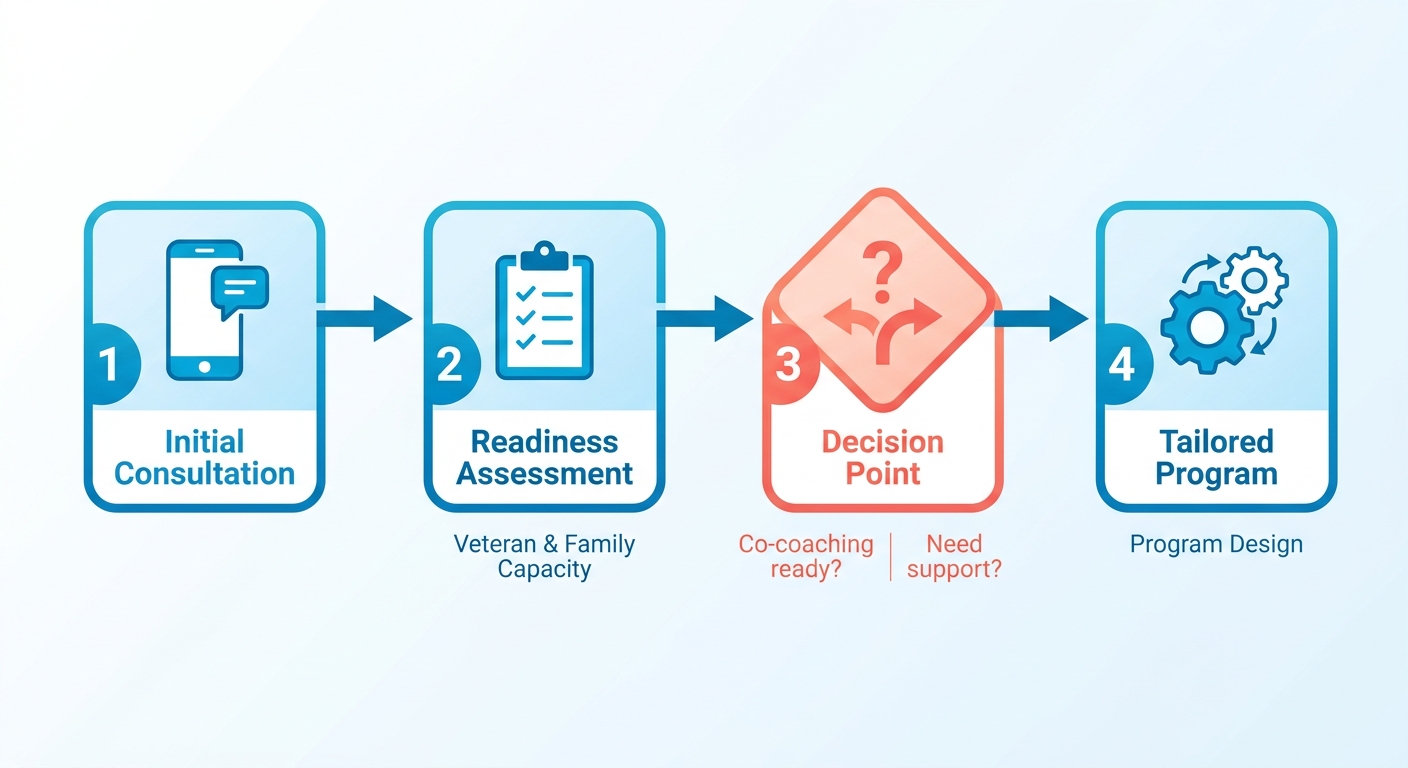
Readiness assessment answers one question before coaching starts: can this family act as co-coaches, or does it need support first? We begin with a consultation that assesses the veteran and household. Then we build a program from there. A family starting full co-coaching too soon may burn out within the first month.
The research presents a key contradiction. Broad statistics show many returning service members come home without major clinical hurdles. Those who seek treatment, however, show higher rates of psychological challenges, including severe trauma and mood disorders. Assessment must identify which group your family belongs to. That distinction sets the coaching intensity.
What goes into the readiness assessment
The VA's Family Readiness Assessment is one baseline tool used in the field. During our consultation, we examine three areas: clinical, logistical, and social.
Clinical: Screen for co-occurring PTSD, depression, and trauma-related triggers. This is where treatment-seeking data matters. If a veteran needs formal coaching, it leads while family co-coaching waits. Family involvement still matters here. Including loved ones in clinical care correlates with better recovery across various psychological disorders.
Logistical: Identify housing stability, employment, and financial resources. These are not soft factors. Almost one-fifth of recent veterans are unemployed, and a quarter of those working earn under $21,000 a year. A household in financial crisis cannot absorb co-coaching duties, regardless of motivation.
Social: Map the existing support network. Peer groups, faith communities, and veteran organizations all count. This network supports the community connection needed during later maintenance phases.
How the assessment shapes where a family starts
The consultation determines where the family starts, not whether it qualifies. Stable families begin closer to co-coaching. Families needing support receive stabilization first.
Because programs are tailored, a family with a clinical gap may need more formal intervention first. Co-coaching can begin later. This front-loads support where crisis and treatment stages require it.
We also weigh two factors many tools skip: nutrition and daily routine. Sleep, meals, and structure affect a family's ability to maintain coaching. A veteran without a morning routine may not sustain accountability check-ins. We help clients build healthy routines from the start.
Support-partner models like the FAMILIAR protocol prepare partners to help veterans enter therapy. They follow the same principle as team-based coaching. The family stops being a bystander and joins the support network. That co-coach role depends on actual capacity, not hope.
Building a phased coaching framework
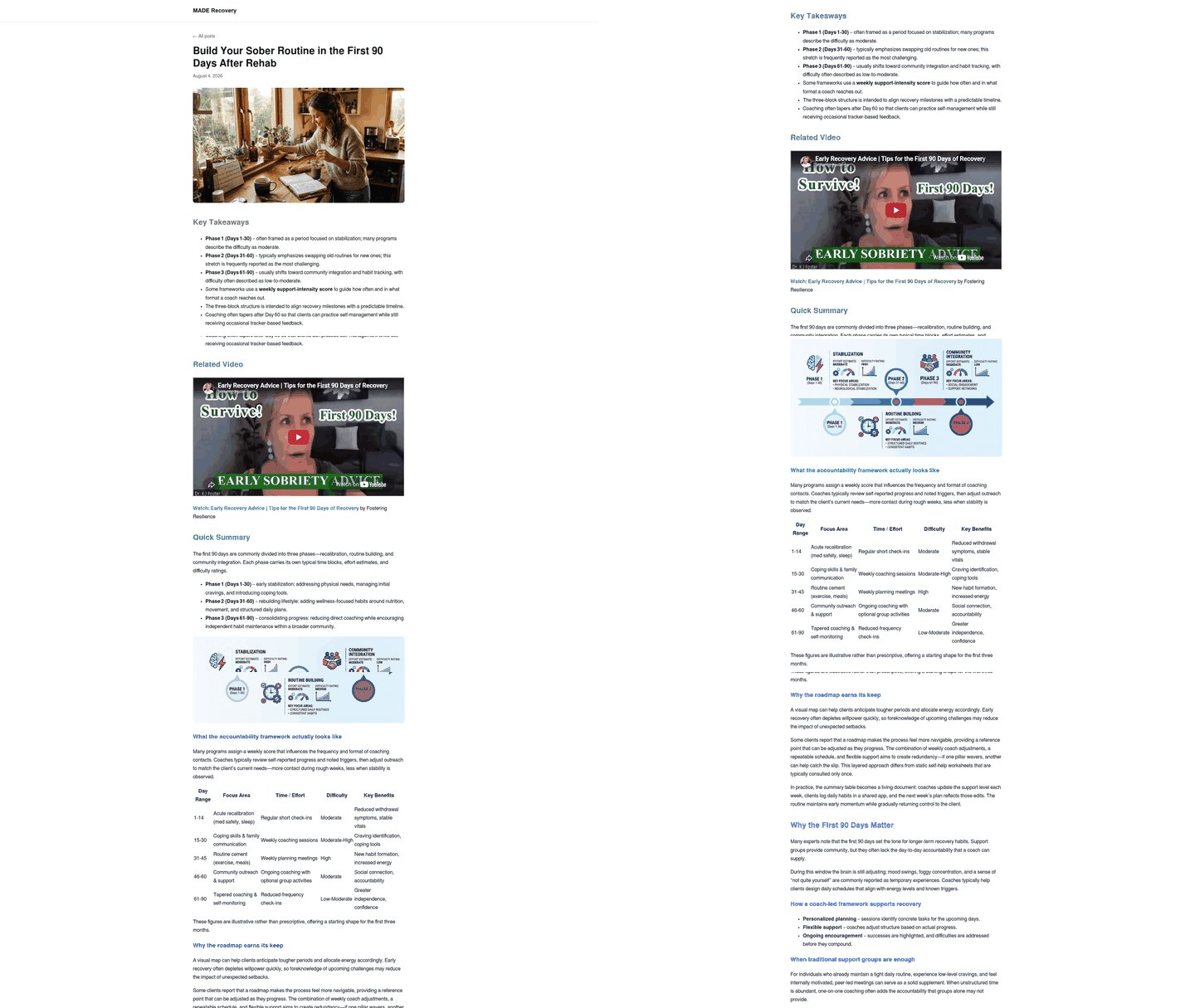
A four-phase framework connects coaching intensity to recovery milestones. Each phase moves the family from bystander toward co-coach. Programs are tailored, so family responsibility grows gradually. It matches the veteran's stability and the household's capacity.
Research supports a family-centered approach. Including relatives in recovery connects to better outcomes across various psychological disorders. Veterans also want more family involvement. The framework should train relatives to coach, not simply attend psychoeducation.
Phase 1: Stabilization (1-4 weeks)
Goal: Keep the veteran safe and reduce crisis risk. The family learns its first coaching skill. This phase includes intervention and crisis-management work. It involves assessing the situation, coordinating detox and treatment pathways when needed, and setting consistent check-ins. The focus is triage, not growth.
Research supports front-loading engagement. Partner-assisted therapy-entry studies show that early support helps veterans start therapy. Family members can support engagement from day one. Skip full co-coaching if the household remains in shock. Stabilize first.
Phase 2: Re-Connection (4-12 weeks)
Goal: Rebuild family roles through structured routines, communication practice, and nutrition basics. These are core parts of our coaching. The veteran is now stable enough for joint coach-family activities. Cooking and meal preparation offer visible, shared wins.
Existing curricula show that families can reach this level. The 18-session SAFE program and 12-week NAMI Family-to-Family course use trained family-member volunteers. Both reduce caregiver burden. The lesson is clear: structured role reassignment beats passive education.
Phases 3 and 4: Growth and independence
Phase 3 (3-6 months): Build skills, integrate into the community, and strengthen leisure-based bonds through activities like fishing trips. These activities help clients find passions and build a life worth staying sober for. Stable daily structure remains important. Employment prep and vocational assessment, which programs like New Directions For Veterans emphasize, can reinforce recovery by addressing high joblessness rates in the transitioning military community. This phase involves more than optional bonding time.
Phase 4: Build independence. As clients find their rhythm, we reduce contact frequency. This builds self-sufficiency. NDVets states that "regular communication with participants improves their chances" of continued recovery. We taper contact rather than end it abruptly.
Tracking progress with data
Track a few weekly signals: sobriety days, veteran mood ratings, and family satisfaction. These measures show when to advance or hold a phase. If family satisfaction drops while sobriety holds, co-coaches may be burning out. The phase pace may need adjustment.
A coordinated team watches different signs, so no one must improvise. Support reaches areas where risk is high and confidence is low. More about our aftercare structure appears on the MADE blog.
Rebuilding communication and reassigning roles
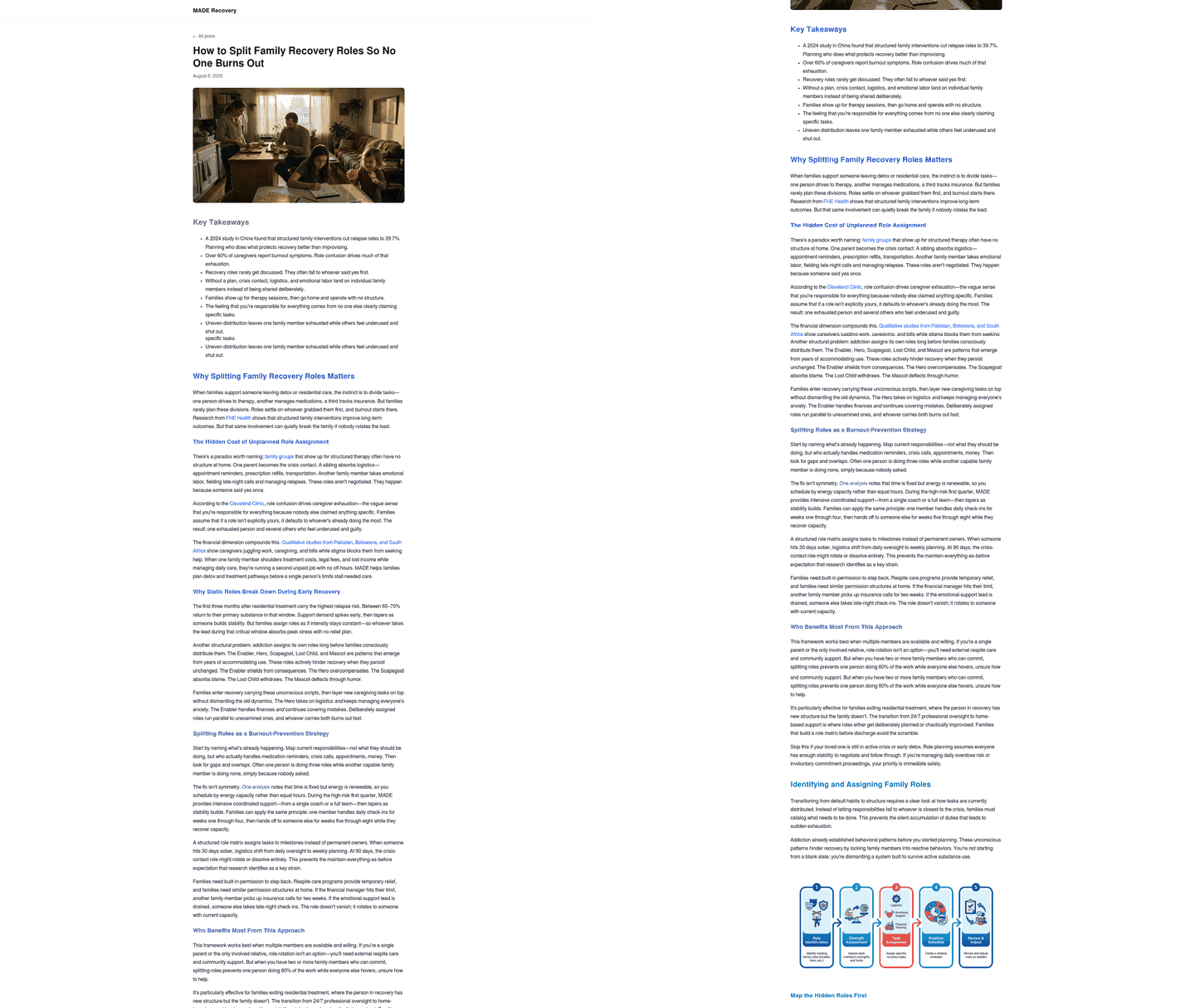
Communication often breaks down first when a veteran returns home. It usually centers on one question: who does what now? The spouse who managed the household during deployment does not automatically hand back the checkbook. The returning veteran may not know where they fit. Discussing those roles openly is the work of this phase. It moves the family from managing tension to co-coaching recovery.
Research supports this work. Active family participation connects to better outcomes across various psychological disorders. Veterans also want more family involvement. We turn that preference into structure. Families receive guidance and accountability while managing recovery pathways. This helps conversations happen with support instead of exploding at midnight.
How to stop conversations from turning defensive
Use a three-step listening pattern before problem-solving: reflect, validate, and ask. The listener repeats what they heard and names the underlying feeling. Then they ask one open question. This slows the exchange and helps the veteran stop bracing for criticism.
Pair this approach with I-statements that express needs instead of accusations. "You never tell me where the money goes" becomes "I feel anxious when I don't know our balance, and I'd like to see it together on Sundays." The change sounds small. In practice, it moves the spouse from prosecutor to co-coach.
What a family role matrix actually does
A role matrix maps three columns: pre-deployment duties, deployment duties, and post-deployment duties. Write down who owned each responsibility during each period. Gaps and overlaps reveal sources of friction. Naming them on paper makes the issue concrete.
For example, a spouse may have handled every financial decision for eighteen months. The matrix makes that visible. The handoff becomes a negotiated task instead of a silent power struggle. As the veteran's stability grows, the division can be renegotiated. Tailored coaching supports this process as client needs change.
Running a weekly family check-in
Family Check-In: A standing 30-minute weekly meeting with a fixed agenda, firm time limit, and one tracked outcome. Keep it short on purpose. A meeting that runs long may become the conflict it was meant to prevent.
A workable agenda covers three items: weekly wins, one friction point using the listening steps, and one commitment each person owns until the next meeting. Regular contact matters. Consistent check-ins and structured dialogue improve the chances of continued recovery. The same principle applies inside the home.
The phased handoff appears here. Our coaching emphasizes accountability, guidance, and real human connection early on. Responsibility then transfers as family skills grow and the spouse takes the lead. Structured, multilevel support carries the crisis stage. The household's natural environment supports maintenance. The check-in transfers control one week at a time.
If the household remains in active crisis, delay the transition. Stabilize before handing over the meeting.
Tracking outcomes and adjusting the phases
You cannot adjust coaching phases without measuring progress. From the first consultation, we identify high risk and low confidence. We continue reading those signals as the program develops. Team-based coaching helps track different signs of drift and adjust before a setback takes hold.
Here's what we watch as a program evolves:
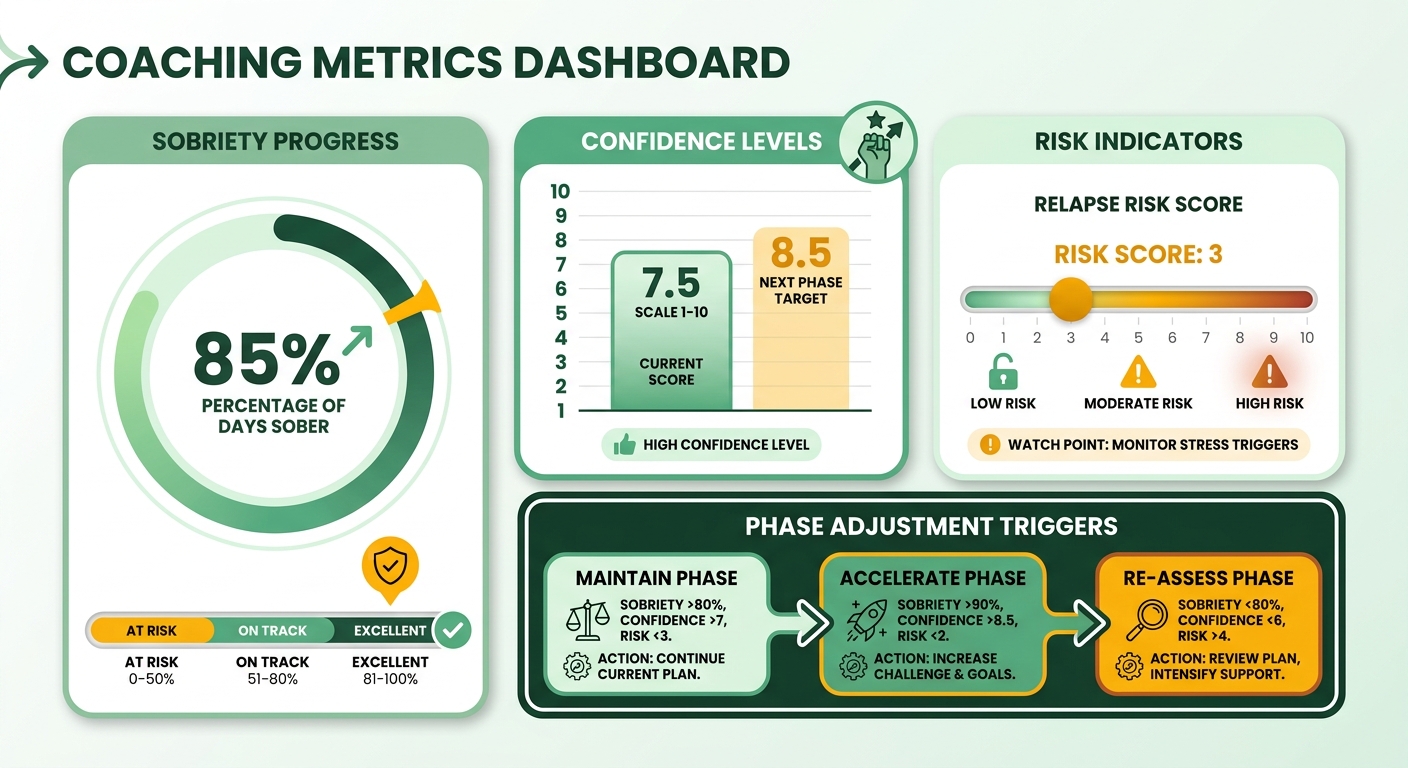
- Sobriety progress: how the client is doing since discharge or last use.
- Craving and mood shifts: changes a coach in regular contact can spot early.
- Family capacity: how the household is carrying its share of support.
- Routine adherence: how consistently daily anchors, sleep, meals, and check-ins happen.
None of these measures means much alone. Together, they show whether the family carries too much or too little.
How to keep coaching honest
Real-time coach observation does what a one-time questionnaire cannot. A coach in weekly contact can spot emotional relapse, isolation, and skipped self-care before they become cravings. Including a family representative sharpens that assessment.
The family perspective matters. When cravings spike but the client downplays them, a spouse or parent may have seen warning signs. That cross-check is the purpose of a coordinated team.
When to intensify a phase
Adjust the phase when the signs point to it, not when someone feels worried. When risk rises and steady patterns slip, return to a hands-on phase. Increase coach contact and family presence while reducing solo hours. Once stability returns, resume the gradual pullback to build self-reliance.
Lessons from each phase guide the next. If household communication needs work, the next coaching block should emphasize role clarity before independence.
Scaling without losing the personal fit
We tailor programs to each individual. We adjust our involvement based on the level of care needed. This flexibility serves families at different levels without placing everyone in one protocol.
The right support level depends on the client's situation. A hands-on, team-based arrangement may fit families with some stability. Someone in the first weeks after treatment may need crisis-level support and closer, day-to-day involvement.
References
[1] Programs & Services - New Directions For Veterans - https://ndvets.org/programs-services/
[2] Adapting a family-involved intervention to increase initiation ... - https://www.sciencedirect.com/science/article/pii/S2666560322000548
[3] Facilitating Reintegration for Military Service Personnel ... - https://www.researchgate.net/publication/313815678_Facilitating_Reintegration_for_Military_Service_Personnel_Veterans_and_Their_Families_An_Introduction_to_the_Special_Issue
[4] Family and Couples Treatment for Newly Returning Veterans - https://www.researchgate.net/publication/232557229_Family_and_Couples_Treatment_for_Newly_Returning_Veterans
[5] Facilitating successful reintegration - Military Families - https://www.researchgate.net/publication/316558383_Facilitating_successful_reintegration_Attending_to_the_needs_of_military_families
Frequently Asked Questions
1. What if my family member shows no signs of PTSD or depression after returning home?
If a returning service member transitions home smoothly, the household likely has strong natural resilience. These families can begin active collaboration and role-sharing sooner. Tailoring ensures we do not over-support highly resilient households. This lets us focus resources where they are needed most.
2. Can a single coach handle our family, or do we need a full team?
Your support structure depends on your current situation. Some households benefit from one contact guiding weekly routines. Others need a multidisciplinary approach to monitor several recovery indicators. Early recovery may require intensive daily coordination instead of one weekly check-in.
3. How is this different from the follow-up appointment my treatment center already gave us?
Typical discharge plans offer limited household guidance. This model actively prepares family members to support recovery. Relatives receive training in communication and boundary-setting. They become active partners instead of passive observers after clinical treatment.
4. What happens if our family satisfaction drops while the veteran stays sober?
If loved ones feel overwhelmed while the veteran maintains sobriety, the household may be carrying too much of the recovery burden. We pause phase progression in these situations. Monitoring family wellbeing lets us adjust direct involvement and prevent caregiver fatigue from affecting progress.
5. Does tapering coaching mean support eventually stops completely?
Reducing coaching frequency builds confidence and self-reliance. It does not end support abruptly. Ongoing, structured communication remains a safety net throughout the transition. The objective is long-term independence with a reliable connection during adjustment.
6. Why does financial or employment stability matter for a recovery coaching program?
Severe financial strain or housing instability can limit a household's ability to manage recovery coaching. We evaluate these practical factors during the initial consultation. Basic stability must come first. Families then can manage accountability and communication routines more successfully.
7. How do we prevent role disputes when the veteran returns to a household the spouse managed alone?
We document household responsibilities across different periods of the military cycle. Defining who managed tasks during deployment clarifies who will manage them now. These agreements can change as the veteran stabilizes and the household adapts.