How to Prove Financial Hardship and Qualify for Post-Rehab Support Fast
August 31, 2026

Key Takeaways
- Organized paperwork lets providers approve assistance faster.
- Hardship hinges on showing full price endangers recovery.
- Collect income proof, pay stubs, tax returns, and benefits. This overall takes one to three days.
- A written hardship statement is a short, honest account. It takes a few hours, not a weekend.
- Documenting rent, medical bills, and dependents takes one to two days.
- Public assistance programs offer reduced‑cost or sliding‑scale help for families.
- Paperwork is simple; emotional stress makes it hard.
Quick Summary
Most families skip proving financial hardship. That step unlocks faster, customized aftercare. Document your situation clearly so providers can act quickly. Families with organized paperwork receive assistance faster.
This section outlines the process before you begin. The real work is gathering proof and sending it correctly. You also request specific support after rehab.
What the hardship process looks at a glance
You show a funding source that paying full price would jeopardize recovery, and they respond with reduced‑cost or sliding‑scale support. Public assistance programs exist for this, as American Addiction Centers lays out in its financing and grants guide.
Broken into steps:
| Step | What It Involves | Time Estimate |
|---|---|---|
| 1. Gather income proof | Pay stubs, tax returns, benefits letters | 1–3 days |
| 2. Document expenses | Rent, medical bills, dependents | 1–2 days |
| 3. Write a hardship statement | Short, honest account of your situation | A few hours |
| 4. Submit to funding sources | Grants, sliding‑scale programs, providers | 1 day |
| 5. Follow up and appeal | Respond to requests, contest denials | Ongoing |
Difficulty is moderate. Paperwork is straightforward. The challenge is completing it during early recovery stress, so organize it early.
What you need before you start
- Recent income records. Last two or three months of pay stubs, or a tax return if income is irregular.
- Proof of major expenses. Rent, utilities, outstanding medical or treatment bills.
- Documentation of dependents. Anyone who relies on your household income.
- A discharge summary or treatment record. Confirms you are in post‑rehab transition and helps fast‑track the right coaching level.
If your income comfortably covers aftercare, skip the full hardship application. The process exists for genuine gaps, not routine budgeting. When there is a real shortfall, this is the fastest path to support that fits your actual needs.
Why This Matters
Relapse risk peaks in weeks after treatment. Families also lose money and momentum then. Proving hardship early prevents aftercare delays. It turns vague hope into a documented request providers can act on.
We see this pattern often. Someone leaves detox ready to continue. Coaching, check‑ins, and structure all cost money already spent on treatment. Support delays while families scramble for paperwork. That delay creates relapse risk.
Why documenting hardship changes your outcome
Documented hardship gets you faster, customized support. When you show income, expenses, and treatment costs, providers stop guessing. They place you in the right level of help instead of a generic option.
State‑funded programs and community grants bridge these gaps. They rely on clear, objective data, not emotional appeals. A pre‑assembled packet often means your application is processed instead of set aside.
Who actually benefits from this step
- Families who paid out of pocket for rehab. Documented spend often qualifies you for reduced‑cost or subsidized coaching afterward.
- People with gaps in income during recovery. Lost wages strengthen your case.
- Anyone facing a hard stop at discharge. Hardship proof is the fastest bridge to the next step.
Skip this step only if you pay privately without strain. For others, paperwork is part of recovery. Prepare it early so the next care stage opens promptly.
Prerequisites
Before requesting help, gather three items: income proof, expense proof, and a clear support request. Align these first so the process moves in days, not weeks.
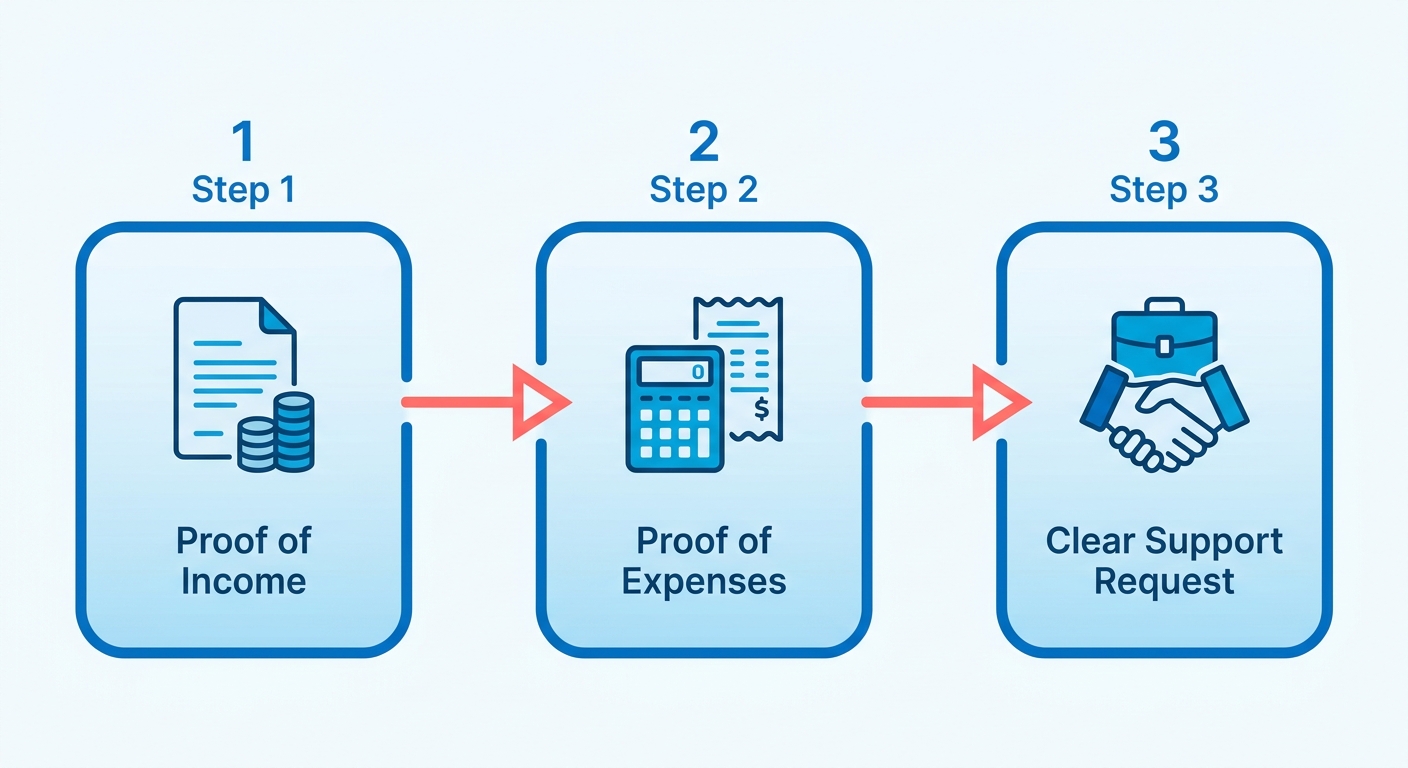
What documents prove financial hardship
Hardship documentation shows that paying full price would leave essential needs unmet. Gather these before you call:
- Income proof. Recent pay stubs, benefits award letter, or bank statement showing deposits. Show before‑and‑after income if it dropped after treatment.
- Expense proof. Rent or mortgage, utilities, and treatment bills you already paid.
- Insurance details. Plan card and any denial letters. Public assistance checks what insurance already covers before funding the gap.
- A short hardship statement. Three or four sentences on what changed and what you need. Plain language beats a polished essay.
Keep digital copies in one folder. When a coordinator asks, send them in minutes.
What setup makes the process faster
Name the specific support you want and assign one family member to handle follow‑up. Vague requests stall. Specific dollar amounts and contacts get answers.
Put one person in charge of paperwork and calls. Recovery is fragile early on; the person who just left treatment should not carry this load alone.
Then decide what you are asking for: sliding‑scale coaching, a reduced rate, or a grant covering a set number of sessions. Skip this prep only if a program has already pre‑approved your funding. Otherwise, walk in organized.
Core Concepts
Financial hardship is the gap between recovery costs and what your family can pay without sacrificing essentials. Name the gap in dollars, attach proof, and you create a case providers can approve quickly.
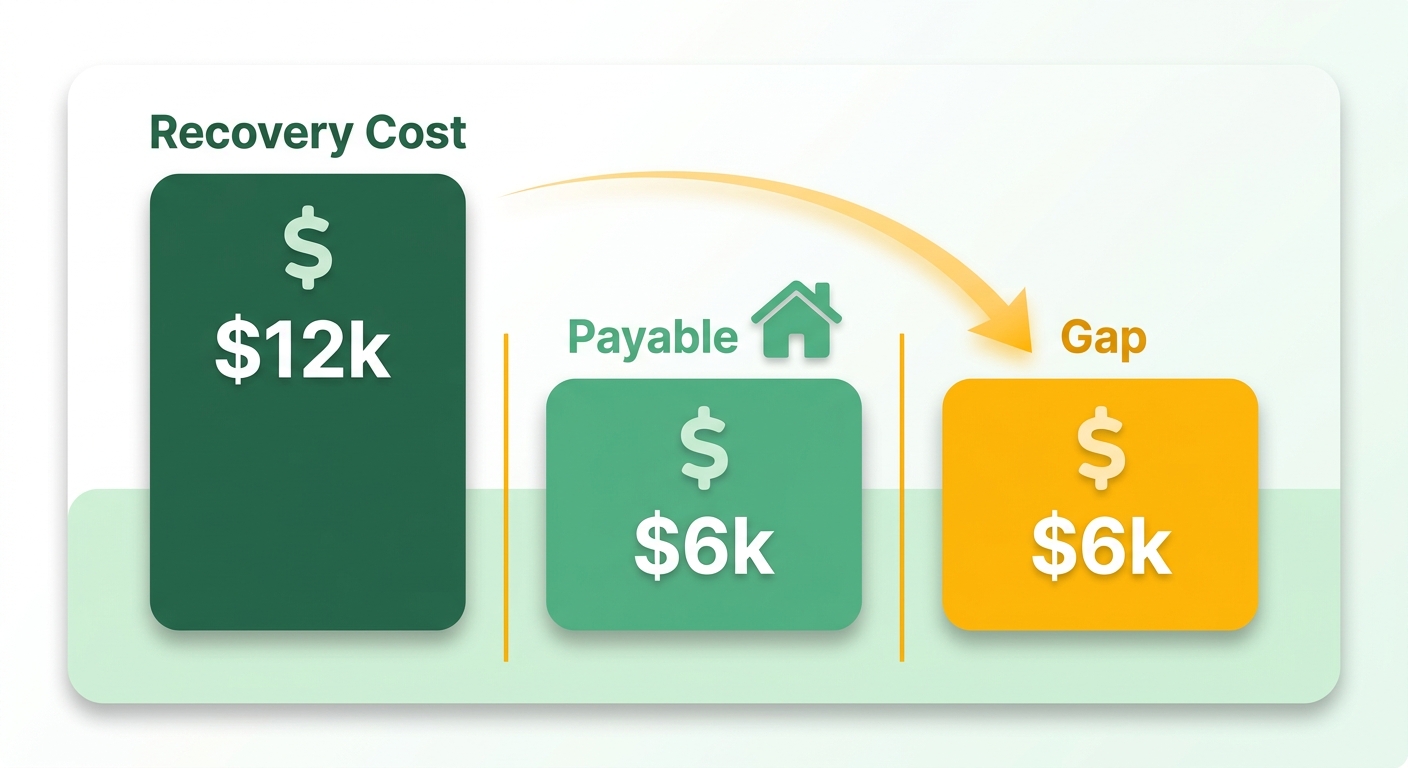
The three building blocks of a hardship case
A hardship case has three parts: the gap, the proof, and the ask. Miss any one and the process stalls.
- The gap is the math. Show coaching cost versus what remains after essentials.
- The proof is pay stubs, benefit letters, rent statements, and treatment bills.
- The ask names exact support: weekly sober coaching, a sliding‑scale rate, or a bridge for the first month post‑discharge.
How public and private funding fit together
Public assistance and provider flexibility both fund post‑rehab support. Public programs require proof you cannot pay full cost. Provider options include sliding scales and payment plans triggered by the same proof.
The two stack. A documented hardship can enable a grant and qualify you for a reduced rate with your coach. Same paperwork, two doors.
When private resources are enough, skipping the hardship application lets staff focus on high‑need cases. Reserving these pathways for genuine shortfalls keeps community resources available.
Step-by-Step Implementation
Follow these steps when you are ready to prove hardship. Each step feeds the next; skipping one causes delays.
The goal is to make your case easy to approve. Provide clean paperwork and a specific ask. This prevents stalls and fast‑tracks assistance.
How to set up your hardship file
Build one folder holding income proof, expense proof, and a single‑page summary of your gap. Digital or physical, it does not matter. Everything must live in one place so you are not hunting for a pay stub when a coordinator asks.
Label each document plainly: recent pay records, bank statements, rent or mortgage, utilities, and any treatment bills already paid. Place newest versions on top. A reviewer should see the shortfall without follow‑up questions.
Draft your summary page last, as a high‑level index. Put total monthly deficit and the specific service tier you request at the top. A busy intake coordinator should grasp your financial picture in under ten seconds.
How to submit and ask for the right support
Send your file to the specific funding source, then state your ask in plain numbers. Public assistance programs, grants, and provider‑based support each have their own intake. Match your documents to what they request rather than sending a generic packet.
Public programs run on strict regional allocations, so available funds shift throughout the fiscal year. The financing guide helps you spot active state block grants or municipal funds. Contact program administrators early to avoid missing a local funding cycle.
Name the support you need. For example, “coaching check‑ins twice a week for the first ninety days.” Concrete requests are easier to fund than open‑ended ones.
Skip the grant route if your gap is small and short‑term. In those cases, a direct sliding‑scale conversation with your provider moves faster than any application. At MADE, packages are flexible and evolve as needs change, so a conversation about the right level of support is often the fastest path forward.
Best Practices
Families that get assistance fastest make the funder’s job easy. Clean numbers, current paperwork, and a specific ask beat long explanations every time. That difference determines whether support starts this week or stalls for a month.
The same handful of mistakes cost people time during the post‑rehab window. Below are the practices that keep your case moving, and the pitfalls that quietly sink it.
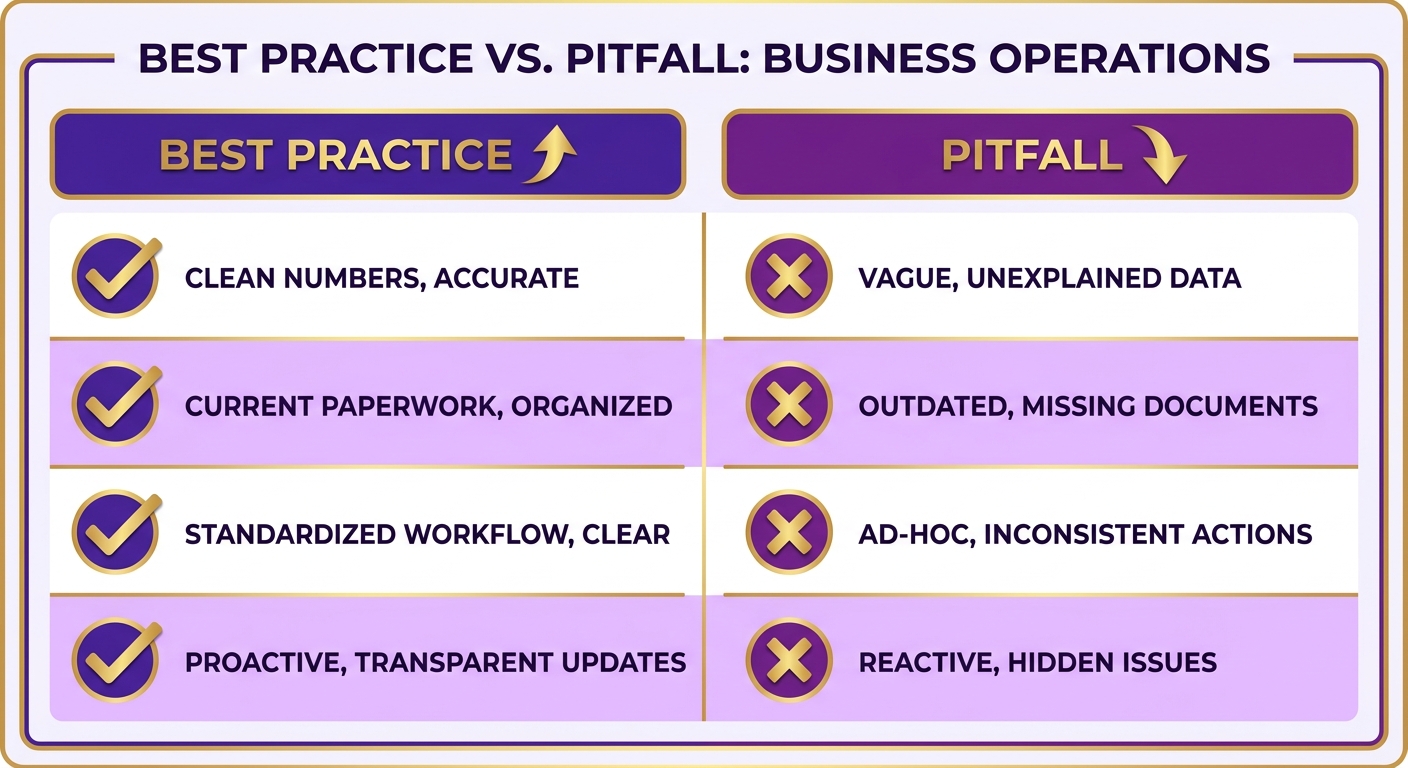
What makes a hardship request stronger
The strongest requests pair a documented gap with exact support and a start date. Vague asks get vague answers. Say “we need coaching check‑ins twice a week starting Monday, and here’s our shortfall,” and a coordinator can approve a plan instead of asking for more.
Keep documents current. Pay records and bank statements older than two months appear stale and trigger update requests. That back‑and‑forth wastes days.
Ask early, not at the crisis point. Families that reach out while the person is still finishing residential care lock in support before money and momentum run dry. Waiting until rent is overdue narrows options.
The pitfalls that quietly sink a case
The biggest mistake is treating hardship like a story instead of a number. Funding sources approve documented gaps, not emotional appeals. Lead with the shortfall in dollars and let proof carry the weight.
Common traps:
- Sending incomplete files. One missing expense record stalls the whole review. Do a final check before you submit.
- Overstating expenses. Padding numbers gets caught and harms credibility. Report what is real.
- Applying to only one source. Public assistance and provider‑side support can stack. Pursue multiple paths at once.
- Going silent after submitting. A short follow‑up within a few days keeps your file near the top of the queue.
One tip that pays off: keep a single running summary of your gap and update it as things change. When a new opportunity opens, you can submit the same day instead of rebuilding from scratch.
Troubleshooting
Most hardship requests don’t get denied; they get stuck. The reasons are almost always fixable once you know where the process breaks down.
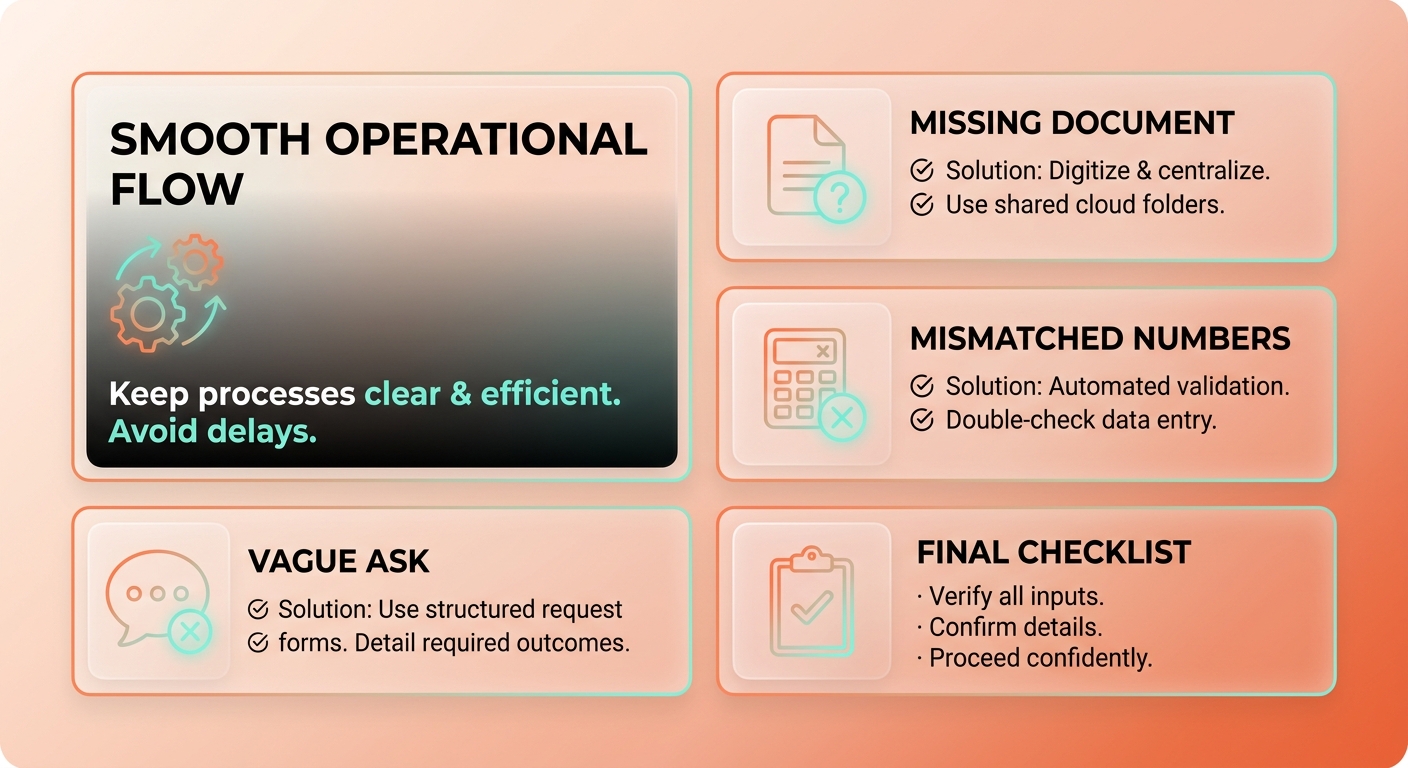
The same snags trip families up during the post‑rehab window. A coordinator asks for one missing document. A number on the summary doesn’t match the pay stub behind it. The ask is too vague to act on. Each of these stalls your case for days you can’t afford, right when support needs to start.
Why a request gets rejected or delayed
Most delays come from mismatched paperwork, stale documents, or an unclear ask, not a lack of funds. Funding sources move fast when numbers line up and slow when they don’t. Fix the paperwork problem and the money problem usually resolves itself.
Common errors and fixes:
- Numbers don’t match. Recheck every figure against its proof before you submit. One mismatch makes a coordinator question the whole file.
- Documents are out of date. Use the most recent pay records or bank statements. Fresh paperwork signals a current, real shortfall.
- The ask is fuzzy. Name the exact support, frequency, and start date. Specific requests get specific yeses.
- Wrong door. You sent a private‑provider request to a program that only funds public treatment, or vice versa. Confirm each source’s coverage before you apply.
What to do when you’re told no
A “no” often means “not yet” or “not here.” Ask the coordinator two questions: what would change the answer, and who else funds this kind of support? Both turn a dead end into a next step.
Sometimes the fix is a single document. Sometimes it’s routing your request to a source that covers your situation. Keep the file organized and the ask specific, and re‑submitting elsewhere takes hours, not weeks.
Once funding is secured, align your financial plan with clinical recommendations. MADE coordinates directly with discharge planners so sober coaching matches the accountability level established during treatment, without supervision gaps. Reach out to discuss how we can align services with your budget.
Conclusion
Proving financial hardship turns a stalled recovery into continuous progress. Walk in with income proof, expense proof, and a clear dollar gap, and funding sources can act in days. Documenting hardship early gets financial assistance for families moving before the post‑rehab window closes.
You already have the pieces. You know what documents to gather, how to build one clean file, and how to phrase an ask a coordinator can approve on sight. Now put them in motion while treatment momentum is still fresh.
Your next steps
Start today by building your hardship file, then submit it with a specific, dated ask. Don’t wait for the perfect moment. Families that move fastest treat this like a task with a deadline, not a maybe.
The recommended order:
- Gather three documents. Recent income proof, recent expense proof, and a single‑page gap summary. One folder, digital or physical.
- Name your ask in dollars and dates. State exactly what support you need and when it should start.
- Submit to the right source and follow up fast. When a coordinator asks for another document, send it the same day. Same‑day responses keep your case at the front of the queue.
Where families can get help right now
Recovery funding directories provide reliable leads. The financing and grants guide offers a roadmap for federal, state, or private entities that match your financial profile.
Securing funding is only the foundation. The real work begins when you build daily structure. Our team bridges the gap between clinical discharge and independent living through consistent routines and peer accountability. Our blog explains how structured transitional support reduces relapse risk during the first ninety days.
The paperwork is unglamorous, but it earns a yes. Start the file today.
References
[1] Financing & Grants for Substance Abuse Treatment - https://americanaddictioncenters.org/rehab-guide/public-assistance
Frequently Asked Questions
1. What if my income changes after I submit my hardship file?
If household income fluctuates due to seasonal work, commission shifts, or sudden job loss, notify the funding coordinator immediately. Provide a brief addendum with the most recent bank statement or termination letter. Keeping your file updated prevents administrative delays and ensures assistance reflects your current reality.
2. Can I get support from both a grant and my provider at the same time?
Yes. Many families use public grants for the initial intensive phase of aftercare while negotiating a long‑term sliding‑scale rate with their private provider for ongoing maintenance. Disclose all active sources of assistance to ensure compliance with program guidelines.
3. Do I need to write a long, emotional letter explaining my situation?
No. Reviewers prioritize clear, quantifiable data over narrative details. State your current monthly net income, unavoidable living expenses, and the exact dollar amount you are short. Let your bank statements and bills do the talking.
4. How is applying for a grant different from asking my provider for a sliding‑scale rate?
Grant applications follow state or federal regulations, requiring formal asset verification and longer approval timelines. Provider‑side sliding scales are managed internally, allowing rapid, discretionary adjustments based on direct conversations. For immediate, short‑term needs, negotiating directly with the provider’s billing department is usually most efficient.
5. Who should handle the paperwork if the person in recovery is overwhelmed?
Designate a trusted family member or sponsor as the primary administrative contact. This person can organize the digital folder, track submission deadlines, and handle follow‑up calls. Relieving the individual in early recovery of these tasks lets them focus on clinical progress and sobriety milestones.
6. What should I do if a funding source rejects my request?
Request a written explanation for the denial to identify whether eligibility, missing documentation, or exhausted funds caused it. If it was a paperwork error, submit an immediate correction. If the program has run out of funding for the quarter, ask the intake officer for referrals to partner organizations with different funding cycles.
7. How early should I start the hardship process before discharge?
Begin approximately two weeks before the scheduled discharge date. This timeline lets you coordinate with the facility’s case manager, who can provide treatment records and discharge summaries to support your application. Securing approvals before departure ensures a seamless handoff to aftercare services without dangerous gaps.