How to Build Firm Foundations in Your First 30 Days After Detox
August 26, 2026

Key Takeaways
- The first 30 days after detox are recovery's most fragile stretch. Independent living either takes root or falls apart.
- Between 40 and 60% of people relapse, similar to other chronic illnesses.
- People in structured aftercare relapse at half the rate of those who are not.
- Formal aftercare often starts weeks after detox ends. This leaves a vulnerable gap without support.
- Brain rewiring during month one sharpens cravings. Addiction disrupts the reward system that normally creates good feelings.
- Week 1 brings the harshest physical withdrawal symptoms: sweating, nausea, anxiety, and insomnia.
- Week 3 brings a quieter risk called pink clouding. This optimism can create overconfidence.
Why the First 30 Days Decide So Much
The first 30 days after detox are the journey's most fragile stretch. Detox clears your body, but it does not rebuild your life. That gap between clinical care and independent living is where firm foundations take root or disappear.
Here's the number that should shape your plan. Roughly 40 to 60% of people relapse, similar to rates for other chronic illnesses. Aftercare lowers that risk. People who engage in structured aftercare have a 50% lower relapse rate. The catch is timing. Formal aftercare often starts weeks after detox ends. A personalized coach can cover that gap with accountability and structure.
Why is the first month so biologically vulnerable?
Your brain is rewiring during these weeks. That process can make cravings sharper. Addiction specialist Genevieve Kane, MSN, RN, explains in a week-by-week recovery guide:
"Addiction changes your brain's reward system, making it harder to experience good feelings naturally."
Week 1 brings the harshest physical symptoms. These include sweating, nausea, anxiety, and insomnia. Then comes a risk many people miss: Week 3 pink clouding. This surge of optimism can create overconfidence.
How does a coach catch relapse early?
Relapse is not a single event. It moves through emotional, mental, and physical stages. Early support can identify those stages before substance use begins.
A coach or coordinated team provides consistent support during critical moments. Two sources may seem to conflict. One presents pink-cloud optimism as a risk. Another describes Weeks 2-3 as a time for building coping strategies. Both points can be true. Early recovery is when the toolkit should be strengthened, not relaxed.
This is also why routine building starts early. Consistent sleep, regular meals, and lower anxiety support the reward system as it heals. A fed, rested brain handles cravings better than willpower alone. Nutrition guidance during this period is deliberate.
What does a stable client mean for the family?
A stable client can lower stress throughout the household. When you're steady, caregiver burnout drops. Families also stop bracing for the next crisis. We help families plan detox and treatment pathways, giving them guidance throughout the process.
Relapse during the first month does not mean failure. Several attempts may be necessary before long-term sobriety takes hold. What matters is recognizing warning signs early. Personalized support can turn a shaky first month into solid ground.
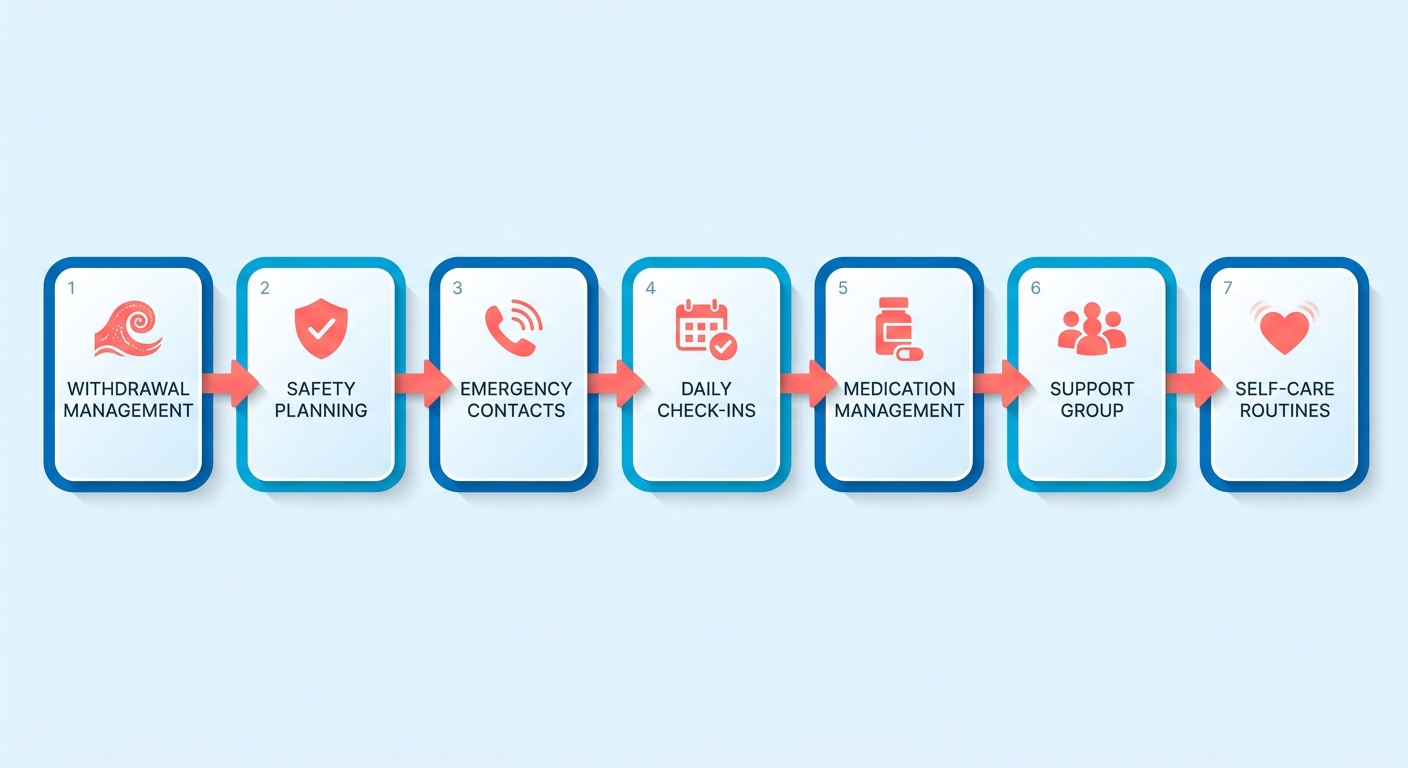
Week 1 – Stabilization & Immediate Safety Planning (Days 1-7)
The first week home can feel unstable. Physical withdrawal may ease while emotional volatility increases. Your brain is still rebuilding its reward chemistry. Small setbacks may feel enormous, and cravings can appear without warning.
The first seven days are often the hardest of the month. Losing the clinical schedule can feel disorienting. The goal in Week 1 is to build a personalized safety net before you rely on willpower.
What goes in a Week 1 medical check-in?
A medical check-in reviews vital signs and lingering withdrawal symptoms. This typically occurs within the first 48 hours after discharge. It can identify problems that detox may have masked.
Coaching may include coordination with nursing support. This helps ensure lingering symptoms receive attention. Regular check-ins show whether symptoms are fading on schedule. They can also identify when medical referral is needed. Steady contact can reduce the urge to isolate.
How do you build a safe space and a crisis plan?
Start by clearing the environment. Remove substances, paraphernalia, and objects tied to old routines. Then identify three supportive contacts who know you're in Week 1. Confirm that they have agreed to answer your calls.
Your crisis plan covers three things: who to call, when to use it, and how to reach emergency counseling. Keep it on your phone's lock screen. Print a copy for the door. Families can build the same support network. We help loved ones create clear, non-confrontational communication methods.
A written safety plan provides protection before a crisis begins. This advance structure can keep a difficult night from becoming a long-term setback.
What does a daily grounding routine look like?
A grounding routine is a short, repeatable morning and evening ritual. It anchors your day when emotions run high. Spend five to ten minutes on it twice daily.
Keep it simple. Try five minutes of breathing or mindfulness, a full glass of water, and a real meal. Hydration and nutrition can ease anxiety and fatigue. Consistency matters more than intensity or willpower.
We also help clients build routines that lower stress and restore balance. Planning a sober day gives you a clear target for the month.
If you're still experiencing seizures, hallucinations, or severe symptoms, seek clinical care first. Coaching bridges the gap after detox. It does not replace medical treatment.
Week 2 – Building Structured Routines & Healthy Habits (Days 8-14)
By Day 8, the physical fog has mostly lifted. Your nervous system is still recovering, however. Post-Acute Withdrawal Syndrome can cause brain fog and low motivation. You now have enough stability to build structure through repeatable routines.
A predictable rhythm helps regulate cortisol and steady mood swings. Week 2 routines support the neurological recovery process. Consistent sleep, protein-rich meals, and daily movement support rebuilding pathways.
How do you build a firm foundation for sober habits?
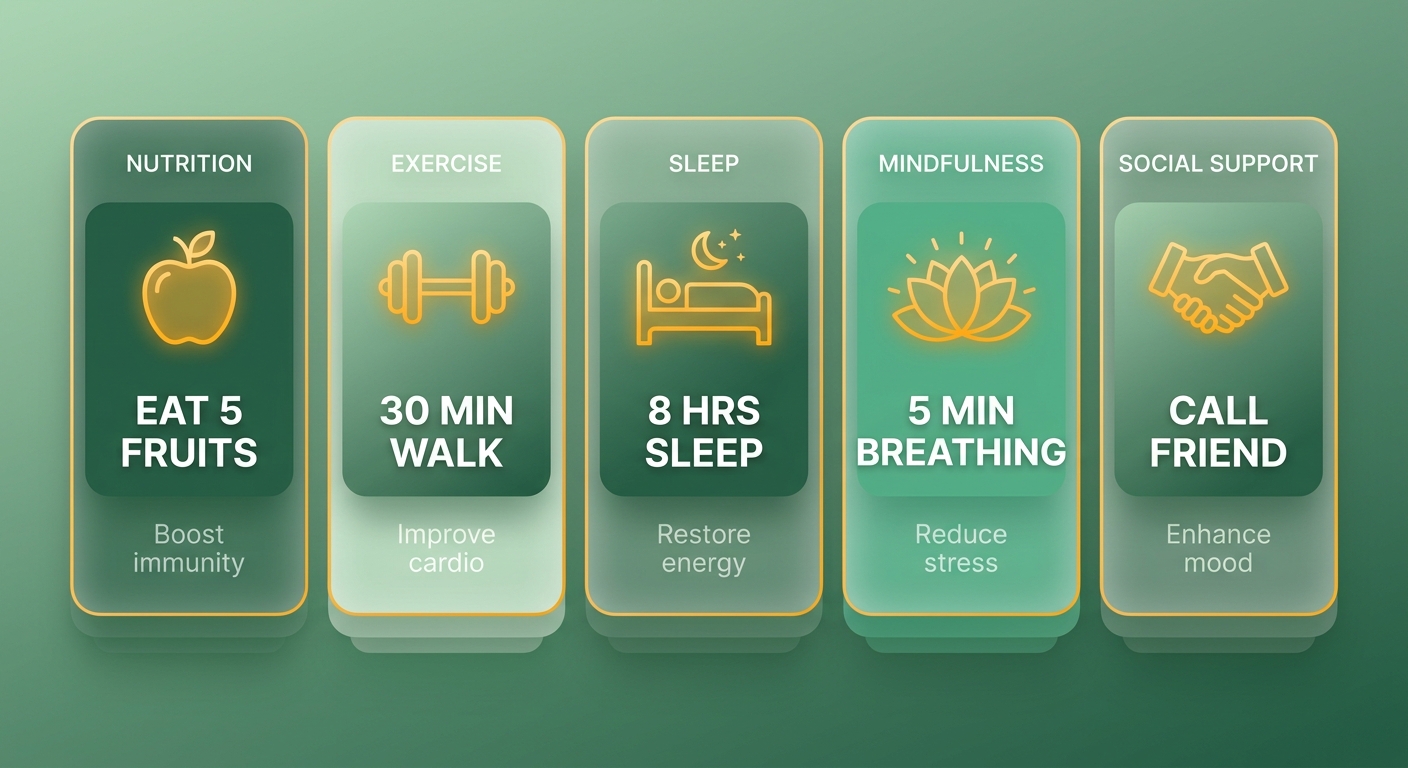
Week 2 focuses on daily structure. Three areas drive much of the progress: habit attachment, sleep quality, and nutrition.
Habit-stacking is the first tool. Pair a new behavior with something automatic. Drink water when you make morning coffee. Stretch before your evening shower. The existing cue helps the new behavior become familiar.
Sleep is essential during this period. Aim for a consistent bedtime and 30 minutes of screen-free wind-down time. Limit blue light after 9pm. Brain chemistry is still recalibrating. Fragmented sleep can worsen cravings, mood, and motivation.
Nutrition supports rebuilding during early recovery. A protein-rich breakfast supports neurotransmitter synthesis. Omega-3s from fatty fish, walnuts, or supplements support neural repair. Staying hydrated supports other recovery processes in the body.
Movement is also useful during this period. Thirty minutes of walking, yoga, or resistance work can support dopamine regulation. Consistency matters more than intensity.
Clients often find the week easier when they structure meals alongside other routines. Stable blood sugar and adequate micronutrients can reduce the biochemical pressure behind cravings. Our coaches can help coordinate grocery shopping, meal preparation, and daily nutrition support.
A sample day in Week 2
A useful Week 2 schedule does not need to be elaborate. It needs rhythm:
- 7:00am: Wake, hydrate, and eat a protein-rich breakfast
- 8:00am: Take a 30-minute walk or complete a movement session
- 10:00am: Have a 30-minute coaching call for accountability and trigger review
- 12:30pm: Eat lunch prepared the night before
- 6:00pm: Complete light activity or stretching
- 9:00pm: Begin winding down and turn off screens
Coaches check in regularly to review these anchors. They adjust the schedule when needed and recognize small wins. This accountability helps clients enter Week 3 with established habits. The emotional arc of early recovery brings new risks then. Structure should come first.
Week 3 – Developing Coping Strategies & Relapse-Prevention Toolkit (Days 15-21)
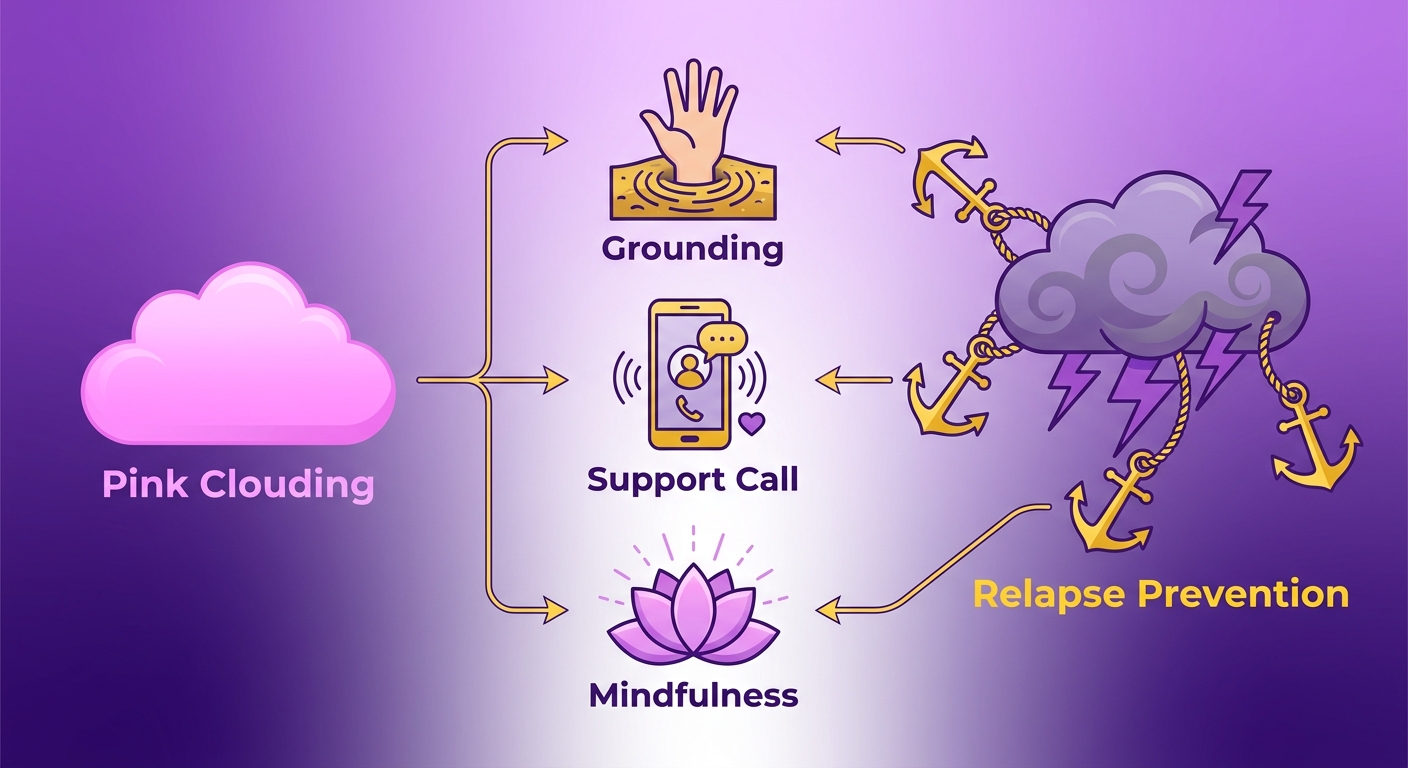
By Day 15, you may feel good, perhaps too good. Week 3 often brings a psychological shift. The early struggle fades, replaced by energy and optimism. This is when your foundation faces its first major stress test.
Clinical guides emphasize trigger awareness during this period. Early-recovery optimism can make those exercises feel unnecessary. This high-energy phase is when you should strengthen your relapse-prevention toolkit. Recognizing internal changes before physical cravings can help protect sobriety.
What are the common coping strategies?
Coping work uses several approaches. Each targets a different point in the relapse chain.
- Cognitive (thought reframing): Write down the trigger thought, challenge it, and replace it. This CBT-style work can reduce relapse by changing negative thought patterns.
- Emotional (mindfulness and urge surfing): Notice a craving without acting on it. Watch it rise, peak, and fall like a wave.
- Behavioral (delay tactics): Put time between the urge and the action. When a craving hits, commit to doing nothing for a few minutes.
When cravings spike after a difficult day, real-time support matters. Talking through the urge can be easier than managing it alone.
How do you practice before it's real?
Practice in low-risk settings first. This makes the skill easier to use when a real trigger appears. Coaching builds these routines gradually, turning coping into a practiced habit.
Role-playing with a coach provides useful practice. Rehearse the exact script aloud: "I'm at a party, someone offers me a drink, I say no thanks, I'm good." Feedback and repetition build confidence for handling social pressure.
Pair this practice with real human connection. Support that adapts to daily life provides consistent contact. Families can encourage practice sessions and respect newly established boundaries.
What does progress look like by Day 21?
Track craving intensity on a 0-to-10 scale. Reviewing the number throughout the week provides a concrete signal. If the average rises, adjust the plan with your coach. Addressing vulnerability early can prevent escalation.
Week 4 – Strengthening Support Networks & Transitioning to Ongoing Aftercare (Days 22-30)
By Day 22, recovery should become a shared effort. The final stretch focuses on widening your support network. It also prepares you for continued support after coaching winds down.
A written support circle gives accountability, guidance, and human connection a clear structure. Building this network early creates support before a crisis occurs.
How do you run a family education session without enabling?
A family education session teaches loved ones to support recovery without taking responsibility for it. Families can reduce conflict and increase contact without covering for you or policing you. Enabling and support are different.
Our facilitated session covers three areas. First, it explains healthy accountability: "How are you sleeping?" rather than "Are you using?" It also addresses responses to difficult days and boundaries that protect the household.
Structured family communication can reduce daily conflict. Families stop guessing and begin using short, consistent check-ins. They learn how to support recovery without taking over.
Who belongs in your support circle?
Your support circle is a written contact list with defined roles. This makes help easier to reach during a crisis. The Sandstone Care team also stresses the importance of a strong support system.
- Coach: Your first call for strategy and warning signs.
- Sponsor or peer lead: Someone from your chosen group.
- One trusted friend: Available for the 2 a.m. moments.
- Therapist: Provides clinical support that coaching does not cover.
Choose a peer group during this period. Twelve-step programs, SMART Recovery, and online sober communities are options. Set an attendance goal, such as two meetings weekly, and add it to your calendar.
How does the handoff to ongoing aftercare work?
We taper coaching intensity gradually. As you find your rhythm, your support circle carries more responsibility. We remain available to help address setbacks. This gradual taper encourages independence and long-term stability.
Track five core metrics daily: sleep hours, cravings (0-10), mood, nutrition, and trigger-exposure count. A weekly 10-item self-check scores each area. Plotting cravings against sleep can reveal patterns early.
If Day 31 brings a rough patch, adjust your plan. It is not a verdict. A fully customized package can evolve as your needs change. This keeps your strategy responsive as new challenges arise.
From 30-Day Foundations to Sustainable Sobriety
Day 30 is a milestone, not a finish line. The foundation built during month one needs continued support. Months 2 through 6 help sobriety become part of the life you want.
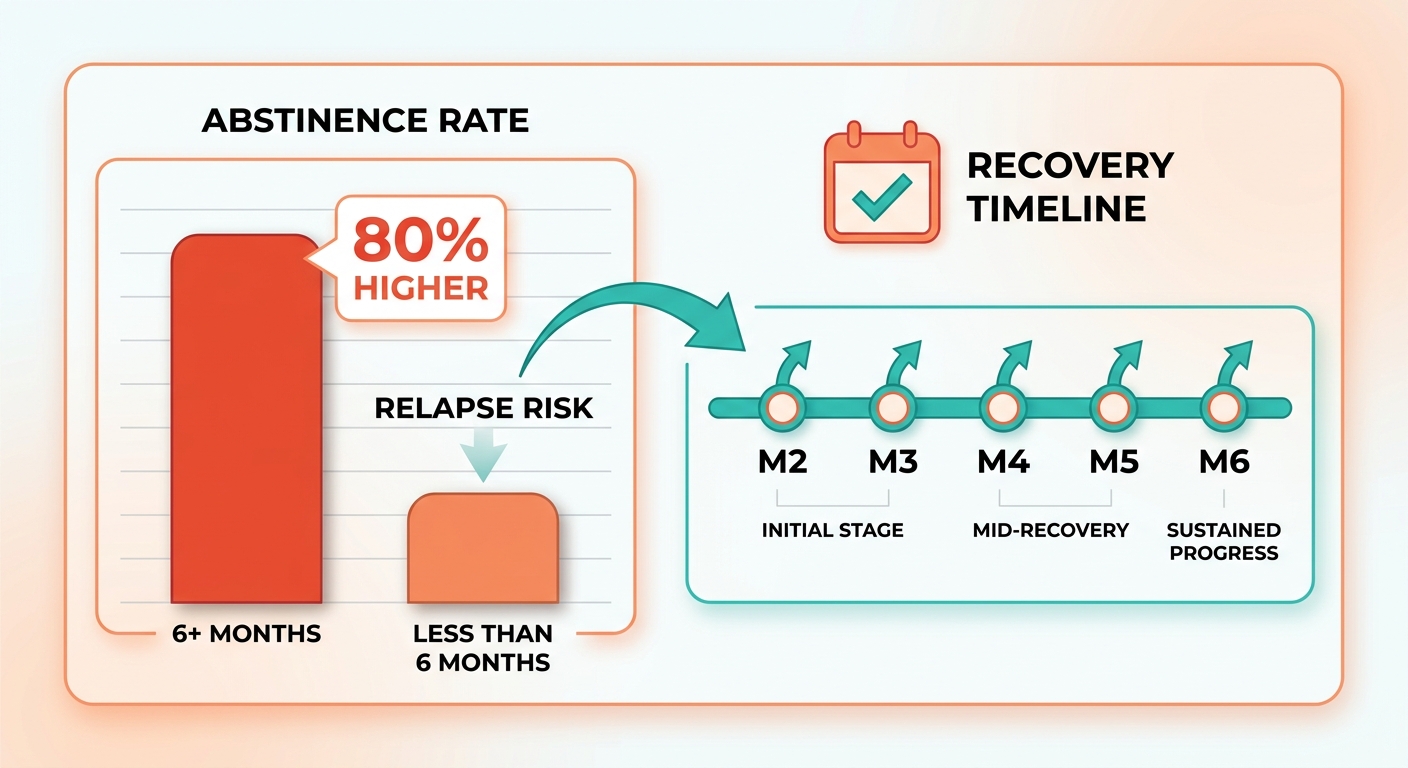
Clients who stay in aftercare for at least six months have roughly 80% higher abstinence rates. Extending support beyond the first month helps new habits become lasting parts of daily life.
What does the Months 2-6 roadmap look like?
Think of the roadmap in two phases. Months 2-3 deepen the habits built during month one. The routines exist. Now you test them against boredom, travel, and difficult days.
Months 4-6 focus on independence. You take more ownership of your relapse-prevention plan. You also make decisions that once needed a second opinion. Support tapers gradually during this phase.
How do you build a "sober purpose"?
A sober-purpose exercise connects daily actions with your values: family, work, creativity, and health. You have cleared the substance. Now you build a life worth staying sober for.
Schedule periodic health reviews during these months. Reassess nutrition and set realistic fitness milestones. Screen your mental health honestly. Untreated anxiety and depression are common relapse drivers.
Our coaching supports this transition. Programs are fully customized and evolve as your needs change. Direct intervention can ease as confidence and self-reliance grow. A structured transition plan helps maintain momentum.
Budget for ongoing coaching like you would budget for a gym or therapy. It is an investment in staying out of a hospital.
Call us to discuss your next six months. We will build a sober coaching program with you. Help starts with a conversation.
References
[1] First 30 Days of Sobriety: What to Expect Week by Week - https://www.sandstonecare.com/blog/first-30-days-of-sobriety/
[2] Relapse Prevention Strategies and Techniques for Addiction - https://americanaddictioncenters.org/rehab-guide/aftercare/relapse-prevention
Frequently Asked Questions
1. Can sober coaching replace medical detox or clinical care?
Sober coaching bridges the gap after detox but does not replace clinical care. Coaching provides behavioral accountability and lifestyle structure during the transition to independent living. It does not provide medical supervision or clinical therapy. Medical monitoring and psychiatric treatment must be managed by licensed healthcare professionals.
2. Does relapsing in the first month mean treatment failed?
A first-month setback provides an opportunity to strengthen your recovery plan. It may highlight unaddressed triggers or gaps in your routine. By reviewing what led to the slip, you and your support team can adjust your strategies.
3. Why does formal aftercare start too late to help right after detox?
Administrative delays, insurance approvals, and scheduling can delay structured outpatient programs. This period is vulnerable because clinical oversight ends suddenly. A sober coach fills this gap with daily routines and accountability from day one.
4. What is "pink clouding" and why is it dangerous?
Pink clouding describes intense joy and high energy after physical withdrawal symptoms subside. It becomes risky when this temporary high makes you believe support is no longer necessary. Managing this phase requires continued routines and support networks.
5. How is enabling different from supporting someone in recovery?
Support empowers people to manage their recovery while offering encouragement and healthy boundaries. Enabling shields them from natural consequences, such as covering mistakes or managing their schedule. Support encourages independence, while enabling encourages dependency.
6. Why does aftercare need to last six months instead of just 30 days?
Neurological healing and behavioral changes take time to become automatic. The first 30 days focus on stabilization and safety. The following months provide practice in real-world situations. Continued support helps reinforce coping mechanisms through different life events.
7. What five metrics should I track daily during early recovery?
Track sleep hours, cravings, mood, nutrition, and trigger exposure. A daily log can reveal patterns in physical and emotional well-being. These patterns may show warning signs of stress or fatigue early. You can then adjust your routine before cravings intensify.