Am I Still an Addict After Rehab? Signs Recovery Is Working
July 28, 2026

Key Takeaways
- NIDA classifies addiction as a chronic, treatable disorder. Recovery is a long-term process, not a single event.
- The period when people feel worst after rehab is exactly when most abandon their recovery programs.
- Persistent physical symptoms weeks after rehab don't mean treatment failed. They mean your body is still healing.
- Acute withdrawal symptoms typically clear within days of completing detox.
- Alcohol withdrawal carries its greatest danger—seizures and delirium tremens—between roughly days 3 and 10.
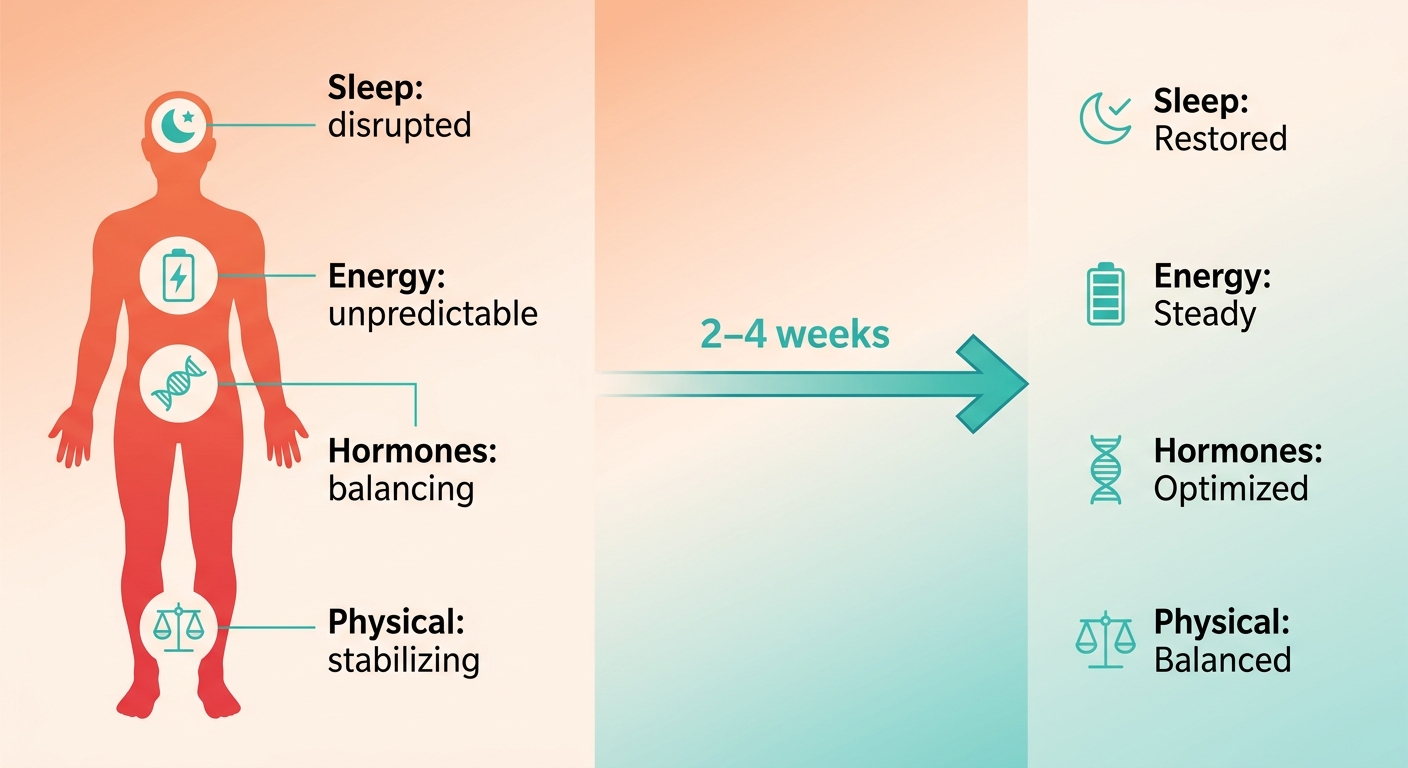
- Energy and sleep stay unpredictable for weeks as your body reestablishes equilibrium.
- Honest, month-by-month explanations of what recovery feels like physically are essential. Most programs don't give you these.
Related Video
Watch: Alcohol Addiction: How To Detox & Begin Recovery | Stanford by Stanford Center for Health Education
Quick Summary
Life after residential rehab isn't a straight line. Physical and neurological healing is gradual. Recognizing progress—and preparing for the hard parts of early recovery—helps people stay sober long-term.
What Physical Changes Tell You You're Healing
Your body keeps score. And the signs of recovery show up faster than most people expect.
In the weeks after detox, you're still carrying the physical weight of early recovery. Energy is unpredictable. Sleep is wrecked. Your body is still finding its footing. These physical markers are the earliest proof that healing is actually happening.
Here's what trips people up: lingering symptoms are not a sign of failure. They're recovery in progress.
Which Symptoms Fade First?
Acute withdrawal symptoms fade within days. Alcohol withdrawal runs roughly 3 to 10 days, with the highest risk of seizures or delirium tremens landing in the 3 to 7 day window, per Stanford's detox breakdown. After that acute phase clears, tremors and seizure danger drop off sharply.
The brain heals slower, but it does heal. Brain scans of people who stopped using methamphetamine show measurable recovery of dopamine transporter density after long stretches of abstinence, according to NIDA. One case tracked in research on the brain in recovery found brain activity still dampened at one month but back near a healthy baseline by 14 months.
Why Do Some Symptoms Stick Around for Months?
Deep brain chemistry takes one to two years to normalize. Sleep is the clearest example. It takes about 18 months after stopping drinking for sleep to fully normalize. The protracted abstinence syndrome—persistent cravings and dopamine deficit—can last months to years.
Chronic pain, broken sleep, flat mood. These hang on well past the point people expect to feel healthy. Your brain is still actively repairing itself during these initial months. There's a gap between stopping substance use and feeling physically restored. Knowing that timeline in advance helps you contextualize symptoms rather than viewing them as a setback.
How Does Exercise Help?
Exercise rebuilds the brain, not just the body. Physical activity enhances neuroplasticity, which directly supports the reward system that substance use hijacked. Substances blunt pleasure from ordinary activities. Movement helps restore it.
Nutrition and structured activity do double duty. They support neurological repair while filling the behavioral space previously occupied by substance use. Recovery is a treatable, lifelong condition, and your body responds to consistent, healthy inputs.
Why the First Months After Rehab Are the Hardest
Leaving residential treatment is a transition point, not a finish line. The first weeks after rehab represent a highly vulnerable stretch.
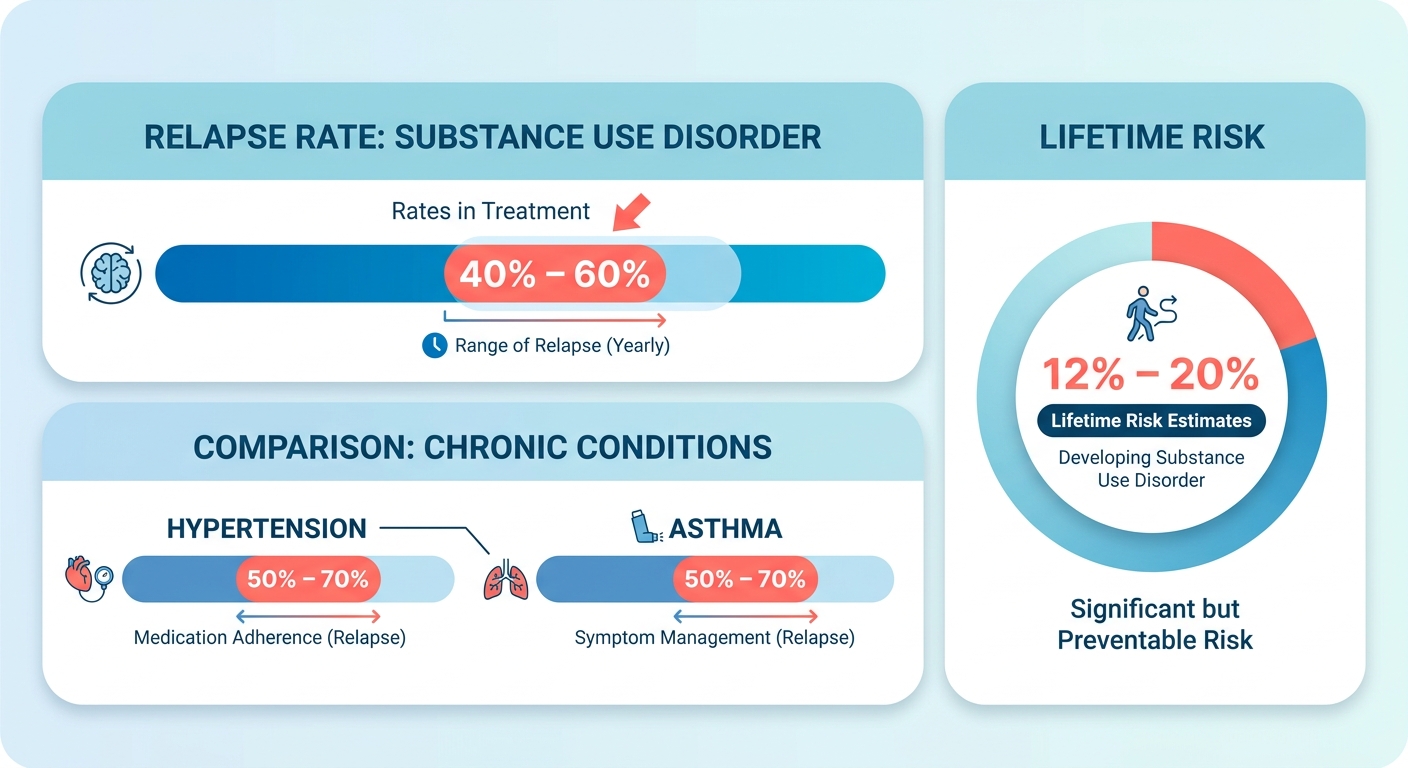
NIDA frames addiction as a chronic, manageable condition with relapse rates between 40 and 60 percent, comparable to hypertension or asthma. That figure spans a lifetime, but the immediate post-treatment phase carries concentrated risks.
People who complete rehab often feel unprepared for the unstructured environment of daily life. Most relapses happen within the first six months of leaving treatment. Feeling vulnerable during this period is normal. It doesn't mean treatment failed.
Why the First Six Months Carry the Highest Risk
The elevated risk during the first six months comes from your brain's reward pathways still adjusting. During this phase, you have to navigate daily stressors while your cognitive control and emotional regulation systems are still stabilizing.
This vulnerability is why structured aftercare matters. The PMC relapse prevention review puts it plainly:
"Individuals do not achieve recovery by just not using. Recovery involves creating a new life where it is easier to not use."
Transitioning from active avoidance of substances to establishing a completely new lifestyle requires sustained effort and external support. A short-term residential program alone can't fully deliver that.
Recovery Is Multidimensional, Not Binary
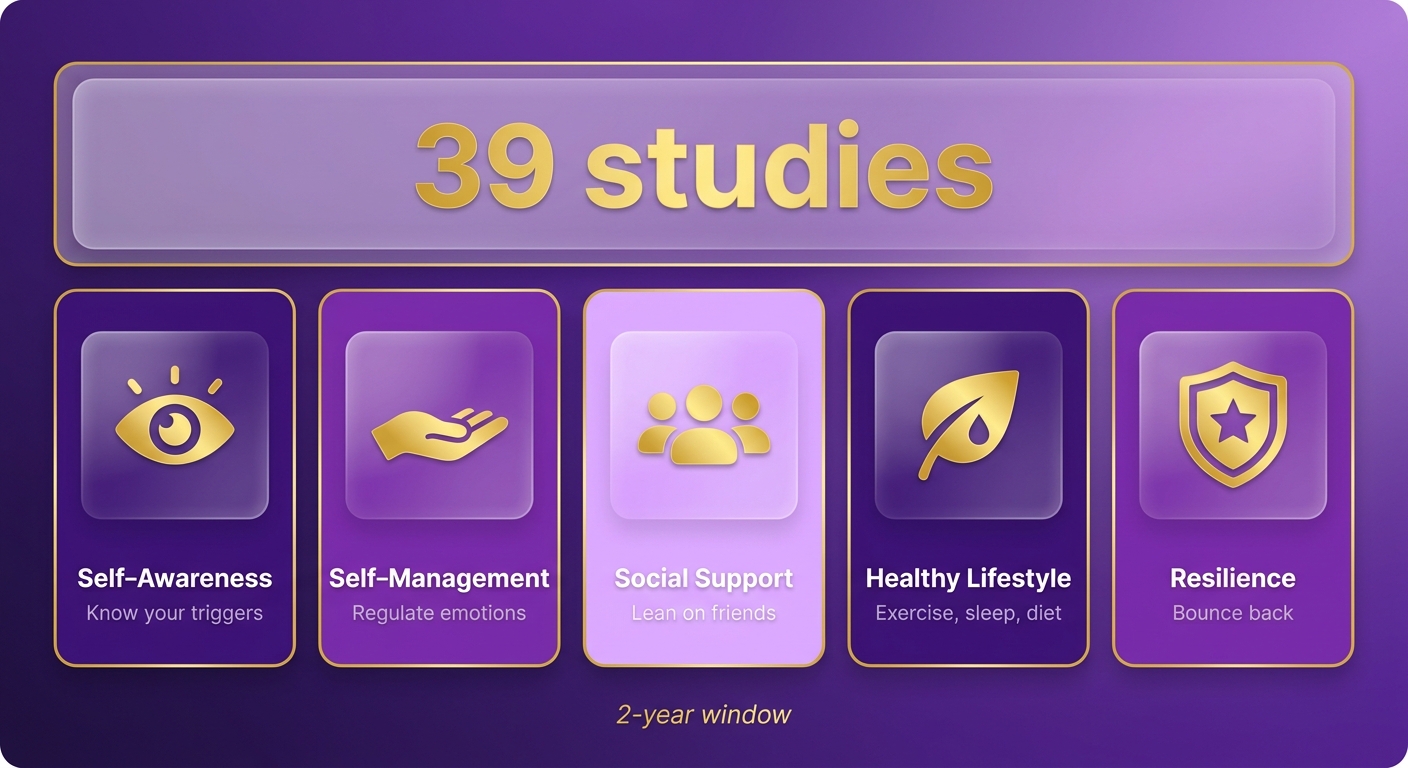
Viewing recovery as binary—either you're "cured" or still struggling—leads people to disengage from support prematurely. A systematized review of 39 addiction recovery studies found five core attributes of recovery: a continuous process of change, holistic across biological and psychological domains, client-centered, focused on building new coping skills, and multistage.
These stages dictate the types of challenges you'll face over time. Research on relapse prevention maps recovery across three distinct phases: abstinence in years one to two, repair in years two to three, and growth from year three onward. Each phase requires different coping strategies and support systems.
A critical risk during these transitions is overconfidence. Long-term abstinence lowers physical tolerance. A relapse after sustained sobriety carries a significantly higher risk of overdose than use during active addiction. Staying engaged with structured aftercare coaching guards against complacency.
Building Coping Mechanisms That Actually Work
Replacing addictive behaviors with constructive habits is the cornerstone of long-term sobriety. Coping mechanisms aren't supplementary. They're essential tools for navigating the daily stressors that previously triggered substance use.
During the initial transition out of treatment, moods fluctuate and stress runs high. Simple, low-barrier practices implemented early help manage these challenges without overwhelming your cognitive capacity.
What Replaces the Substance?
New routines, stress management techniques, and constructive hobbies fill the time previously dedicated to obtaining and using substances.
Physical activity is a reliable starting point. It helps elevate mood-regulating neurotransmitters naturally. Creative activities—drawing, music, writing—work through a different pathway. They provide structure, a sense of personal mastery, and mental absorption. Mindfulness-based stress reduction (MBSR) trains you to observe physical or emotional discomfort without reacting impulsively.
The HALT framework—Hungry, Angry, Lonely, Tired—is a practical tool for identifying vulnerability. These four physical and emotional states account for a significant portion of coping failures. Building simple routines around each state—regular meals, physical outlets for tension, deliberate social contact, consistent sleep—is often more protective than complex therapeutic techniques.
Why Social Support Isn't Optional
Social resources—family, peer groups, community organizations—are vital for sustaining recovery. Personal resilience and social support reinforce each other. When social connections weaken, individual coping strategies often falter.
Developing a drug-free social network alters the recovery environment. Sober relationships introduce new expectations and natural accountability. When you start valuing the opinions and expectations of your sober peers, that shift provides a powerful incentive to maintain recovery.
Building a strong support network is essential. But equally important is staying active in recovery programs even when life feels stable. Continuing to participate in support groups and aftercare services prevents the gradual drift back toward old habits.
Managing Cravings and Trigger Exposure
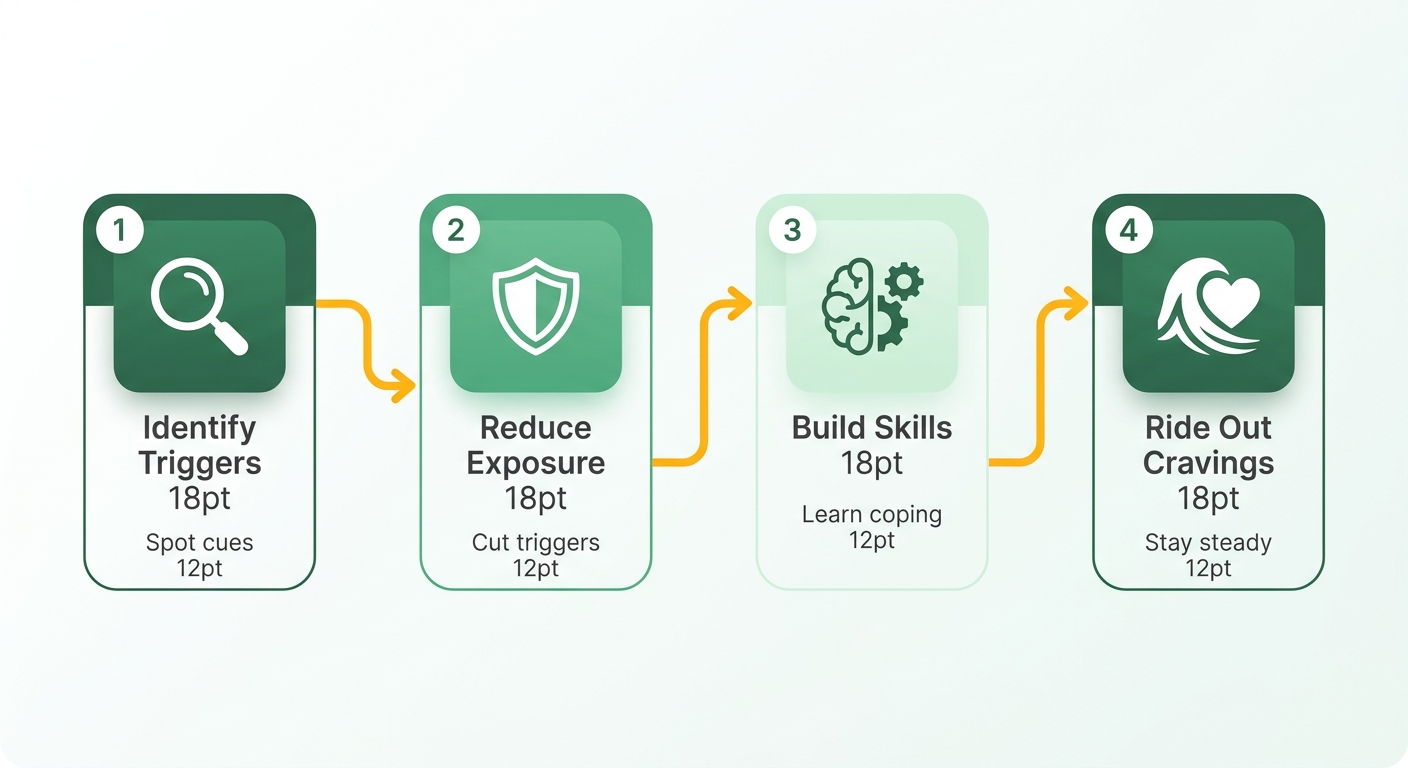
Cravings are a natural physiological response that persists long after detox. Managing them requires a dual approach: minimizing exposure to known triggers and developing cognitive tools to handle unavoidable cravings.
Evidence-based behavioral therapies play a critical role here. NIDA highlights cognitive-behavioral therapy and contingency management as effective modalities for restructuring thought patterns. The NIH relapse-prevention review notes that "cognitive therapy is one of the main tools" for identifying negative thinking and building resilient coping strategies.
What Situations Trigger Cravings Most?
High-risk situations are often highly predictable. Isolation, financial stress, and unresolved trauma are documented triggers, according to addiction specialists. Environmental cues—visiting places associated with past substance use or interacting with former associates—also rapidly stimulate cravings.
Identifying these triggers allows you to plan ahead. Proactively avoiding high-risk environments during early recovery is a strategic choice, not a sign of weakness. Minimizing exposure to these cues gives your brain the time it needs to heal while new coping mechanisms establish themselves.
How Do You Manage a Craving in the Moment?
When an intense craving hits, you need immediate intervention to disrupt the impulse. Distraction and mind-body relaxation are highly effective. The NIH review highlights mindfulness-based relapse prevention and progressive muscle relaxation as methods to reduce physiological stress and break the craving cycle.
Contingency management provides another layer of support by offering tangible rewards for verified abstinence. Combining immediate coping strategies with structured, long-term incentives helps you navigate both acute cravings and the ongoing challenges of early recovery.
Why Social Support Cuts Craving Risk
Peer support is a critical buffer against cravings. Joining a self-help group significantly increases the odds of maintaining long-term sobriety. These groups offer a space to share experiences and learn practical strategies from others who have faced similar challenges.
A structured support network provides accountability that independent effort cannot replicate. Rather than relying solely on personal willpower, staying actively engaged with peers and counselors ensures you have a safety net when unexpected triggers arise.
Emotional Stability as a Recovery Indicator
As your brain's chemistry stabilizes, emotional volatility typically begins to subside. In early recovery, intense mood swings, irritability, and anxiety are common as your nervous system adjusts to the absence of substances.
Over time, the return of emotional stability—a greater capacity to handle stress, improved mood regulation, fewer sudden shifts in temperament—serves as a clear indicator that neurological healing is progressing. Developing emotional resilience allows you to respond to life's challenges with clarity rather than reacting out of frustration or distress.
Engagement in Structured Aftercare Programs
Completing residential rehab is a significant milestone. But maintaining sobriety requires ongoing participation in structured aftercare.
These programs—outpatient therapy, sober living arrangements, regular support group meetings—provide the continuous reinforcement needed to solidify new habits. They offer a bridge between the highly controlled environment of rehab and the independence of daily life. Structured aftercare helps you navigate real-world challenges with professional guidance and peer support.
References
[1] Warning Signs of Relapse: Depression, Stress, and Other ... - https://americanaddictioncenters.org/adult-addiction-treatment-programs/signs-of-relapse
[2] Treatment and Recovery | National Institute on Drug Abuse - NIH - https://nida.nih.gov/publications/drugs-brains-behavior-science-addiction/treatment-recovery
[3] The Brain in Recovery - https://www.recoveryanswers.org/recovery-101/brain-in-recovery/
[4] Life After Rehab - Ongoing Treatments ... - https://www.addictioncenter.com/treatment/life-rehab/
[5] Relapse Prevention and the Five Rules of Recovery - PMC - NIH - https://pmc.ncbi.nlm.nih.gov/articles/PMC4553654/
[6] 5 Warning Signs of Relapse Vulnerability - https://valleyhope.org/blog/recovery/education-recovery/5-warning-signs-of-relapse-vulnerability/
[7] 5 Ways To Spot A Relapse - https://www.addictioncenter.com/community/5-ways-to-spot-relapse/
[8] Addiction Recovery: A Systematized Review - https://pubmed.ncbi.nlm.nih.gov/32426014/
[9] Alcohol Addiction: How To Detox & Begin Recovery | Stanford by Stanford Center for Health Education - https://www.youtube.com/watch?v=VhIe9Y6t6mE
Frequently Asked Questions
1. Is relapse a sign that rehab didn't work?
Relapse indicates that the recovery plan needs to be adjusted, reevaluated, or intensified, rather than signaling that treatment was a failure. Because addiction affects the brain's pathways over the long term, setbacks can occur as individuals learn to navigate new environments. If a relapse occurs, it is critical to seek immediate professional support to adjust coping strategies, re-establish safety protocols, and prevent a return to chronic use.
2. What exactly is Post-Acute Withdrawal Syndrome (PAWS), and how is it different from regular withdrawal?
PAWS refers to a set of temporary impairments that persist after the acute physical symptoms of withdrawal have resolved. While acute withdrawal focuses on the body clearing the substance, PAWS represents the brain's gradual process of recalibrating its neurotransmitter systems. Symptoms like mood fluctuations, sleep disturbances, and cognitive fatigue can appear and disappear in waves, requiring patience and consistent coping strategies as the nervous system heals.
3. Does the type of substance affect how long physical recovery takes?
Yes, different substances impact the body and brain in unique ways, leading to varying recovery timelines. For example, stimulant recovery often involves a prolonged period of addressing dopamine depletion and cognitive fatigue. Alcohol recovery requires a gradual stabilization of the central nervous system, which affects sleep architecture over time. Opioid recovery frequently involves managing protracted mood disturbances. Polysubstance use can further complicate and extend these healing timelines.
4. Can someone in recovery ever use alcohol or other substances socially again?
Most addiction specialists strongly advise complete abstinence. The neural pathways associated with compulsive behavior remain sensitive long after active use stops. Reintroducing any mind-altering substance can quickly reactivate old patterns of dependence. Additionally, because physical tolerance decreases during sobriety, consuming substances again carries an elevated risk of adverse physical reactions.
5. What is the difference between a slip and a full relapse?
A slip is a brief, isolated return to use — typically a single incident — while a relapse is a sustained return to prior use patterns. The distinction matters clinically: a slip addressed immediately with professional support often does not derail long-term recovery, but minimizing or concealing it significantly raises the risk of escalating to full relapse.
6. Should someone consider medication-assisted treatment (MAT) after leaving residential rehab?
MAT — using FDA-approved medications like buprenorphine, naltrexone, or methadone — is clinically recommended for opioid and alcohol use disorders, particularly when cravings remain intense after residential treatment ends. It is not a substitute for counseling but measurably reduces both relapse and overdose risk. A physician or addiction specialist should evaluate whether it fits the individual's plan.
7. How can family members support someone after rehab without enabling them?
Effective family support means staying consistently present while holding clear limits. Practical help — driving to appointments, removing substances from the home, preparing meals — differs from shielding someone from natural consequences. Families who engage with structured aftercare education grasp this boundary; those who don't often oscillate between over-involvement and withdrawal, both of which raise relapse risk.