Protect Your Home and Meds From Relapse Triggers Post-Rehab
July 30, 2026
What Actually Happens When You Leave Rehab and Go Home

Key Takeaways
- Post-treatment relapse rates of 40–60% in the first year mean recovery extends beyond discharge day.
- More than half of all relapses link directly to interpersonal conflict.
- A recent survey found 86.7% of rehab clients named personal choice as the main driver.
- NIH research shows relapse unfolds in emotional, mental, and physical stages.
- Clients often return to the same homes, relationships, and stressors.
- Durable recovery depends on clinical support and planned environmental changes.
Quick Summary
Leaving residential rehab and returning home requires proactive planning. This guide covers home triggers, medication security, daily routines, and emergency planning to support long-term sobriety.
Why Most Relapse Prevention Plans Fall Short
Most families who reach out to us already need drug addiction help beyond a 30-day program. They've watched someone they love complete treatment, come home, and then unravel again.
The problem is not that treatment failed. It's the sudden shift from a controlled clinical setting to a familiar home. When people return to old routines, they face the same social dynamics and physical spaces that once supported substance use. Addressing this requires two steps: managing recovery's biological side and reshaping the home environment.
Relapse Is a Process, Not a Single Decision
Returning to substance use is the last step in a longer sequence. Before physical use happens, behavior changes often appear first: social withdrawal, poor hygiene, sleep changes, and rising frustration. Intervening early works better than waiting for acute cravings.
Because research on relapse triggers shows environmental cues can trigger cravings automatically, changing the home layout after discharge matters. You're not just removing temptation. You're breaking associations the brain built over years of use.
The Timeline Mismatch Nobody Talks About
A common weakness in aftercare planning is the timeline mismatch. Structured relapse prevention programs typically run for about 12 weeks in their validated format. But NIH documentation on post-acute withdrawal shows post-acute withdrawal syndrome (PAWS) can last up to two years. That leaves nearly 21 months where formal programming ends but vulnerability remains high.
Closing this gap requires support that lasts beyond the first three months. As formal treatment ends, the focus must shift to accountability, daily routines, and peer support. Because relapse affects the whole household financially and emotionally, prevention should be a family-wide effort.
Identifying and Addressing Home-Based Relapse Triggers
Effective home-proofing begins with a systematic look at the living space. This includes obvious items like glassware or paraphernalia, but also subtle cues: a chair, a storage area, or a room's lighting. Those details can trigger old associations. Neutralizing them is a practical step for people returning home.
The physical layout of the home plays a measurable role in this transition. A study on environmental impact using PLS-SEM analysis found the home and social environment explained roughly 30% of the variance in recovery motivation and about 11% of relapse risk. Changing the physical space can support motivation, but it must pair with active social support to reduce actual relapse risk.
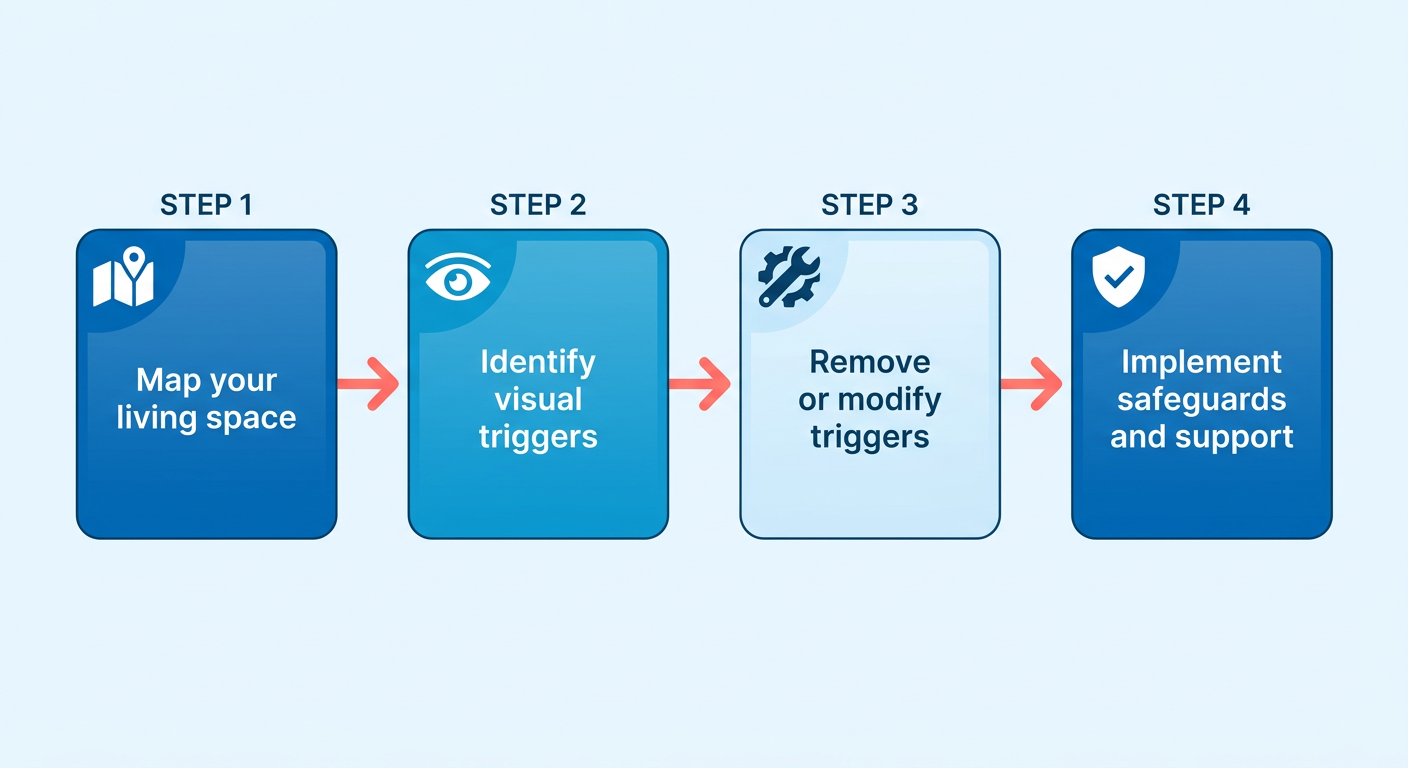
Spotting the Triggers Hiding in Your Home
Walk through each room and note the emotional associations of different areas. Distinguish between outside cues and the feelings they trigger. Because relationship conflict and domestic tension are major relapse drivers, pay close attention to places where arguments, stress, or isolation often happen.
Simple changes can break the link between a space and old habits. Rearranging furniture, changing decor, or repurposing a room can disrupt the pattern.
Securing Medications and Locking Down the Cabinet
A locked medication cabinet is a critical physical safeguard. Store all prescription and over-the-counter medications in a secure, keyed or combination lockbox managed exclusively by a designated family member. This limits immediate access during high-stress moments.
Everyone in the household should understand these protocols. Safe storage, regular inventory counts, and proper disposal of expired prescriptions help prevent misuse and reduce temptation. For detailed instructions, families can consult this home medication safety guide. Keep a simple log of the cabinet's contents and access history to maintain accountability.
This level of security should stay in place long after the first transition period. Neurobiological recovery lasts well beyond early treatment, so keeping these safeguards active helps protect the individual throughout the first year of sobriety.
The Digital Triggers Nobody Locks Up
A home's environment also includes digital spaces, which often get overlooked during discharge planning. The Nepal relapse analysis found social media and online content triggered relapse at nearly the rate financial stress did: 49.2% versus 50.8%. A home cleared of physical triggers can still remain vulnerable if devices keep exposing someone to old networks and triggering content.
Managing digital feeds requires the same deliberate approach as securing physical spaces. Unfollow or block contacts tied to past substance use, mute triggering accounts, and set screen-time boundaries to reduce exposure to high-risk online environments.
Establishing a Structured Daily Routine for Relapse Prevention
A structured daily routine helps prevent relapse by filling unstructured time, where cravings and old habits often return. Predictable schedules provide stability during early recovery and reduce the decline in self-care that often comes before a crisis.
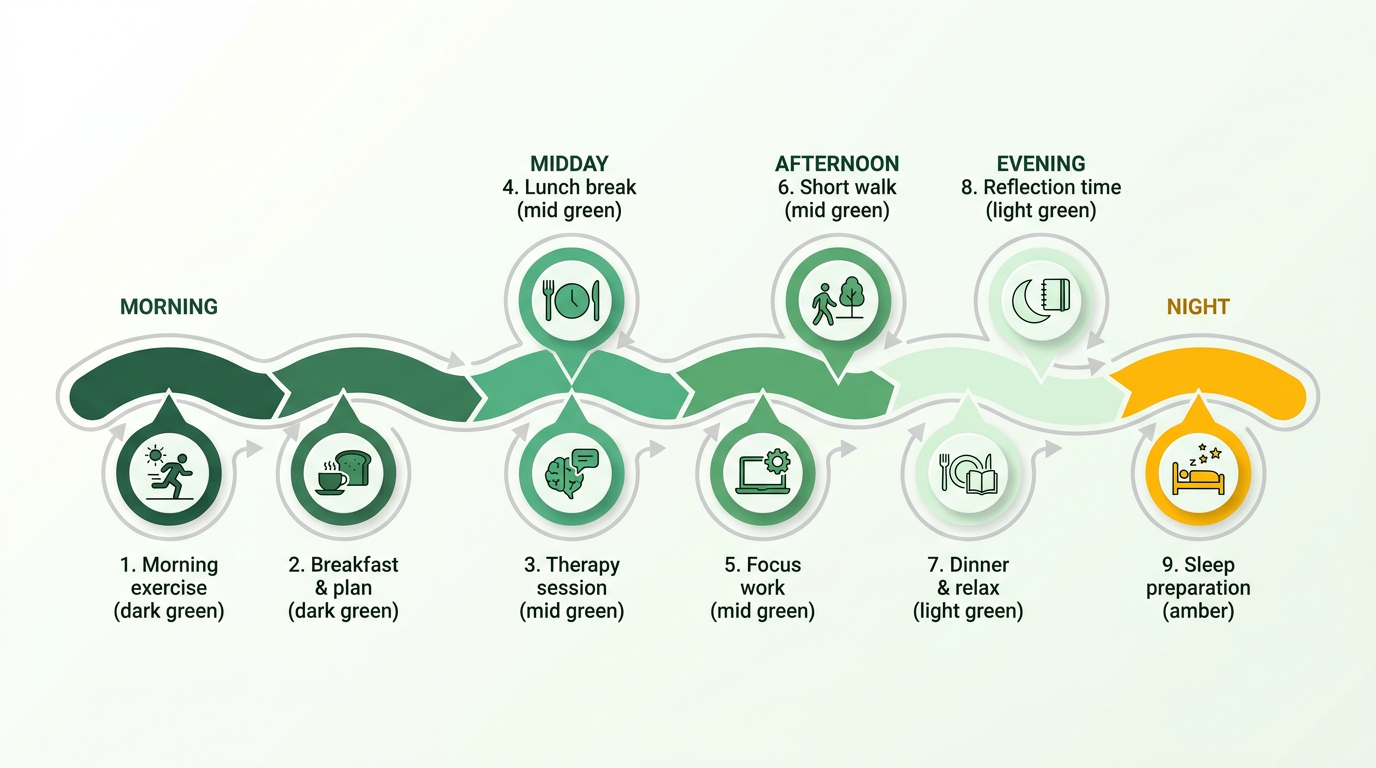
Anchor Your Routine to the PAWS Timeline, Not the Program Calendar
Standard clinical programs are designed to start recovery, but long-term stability needs habits that continue well beyond treatment. Daily habits such as journaling, tracking mood changes, and maintaining regular check-ins should become permanent lifestyle adjustments, not temporary assignments. Aligning these practices with the longer recovery timeline keeps support active during the transition to independent living.
Daily Habits That Actually Hold Up
Basic physiological regulation is essential for steady recovery. Prioritizing sleep, nutrition, and physical activity gives the body a foundation that supports coping.
- Sleep on a schedule. A consistent wake time helps regulate mood and reduces vulnerability.
- Move your body. Regular exercise adds structure, reduces stress, and can lower craving intensity.
- Practice urge surfing. This technique treats cravings as temporary waves that rise and fall.
How Support Networks and Digital Tools Keep You Accountable
Accountability tools help bridge the gap between planning and daily follow-through. A support network of peer groups, family members, and recovery coaches provides perspective and encouragement.
Technology can reinforce those connections. Scheduling apps, mood trackers, and medication reminders turn daily goals into prompts. When using digital alerts for prescriptions, pair them with secure medication storage habits at home so physical safety and digital reminders work together.
Combining digital tracking with personal outreach creates a reliable safety net. If an app logs a missed routine, a support contact can follow up. A structured schedule is about more than compliance. It helps healthy choices become the default.
Creating an Emergency Craving Response Plan
A critical part of discharge planning is preparing for sudden, intense cravings that happen outside clinical hours. General coping strategies help, but people also need a written, step-by-step plan to follow when clear thinking is harder.
Research on relapse timing shows the first weeks after discharge are especially vulnerable. A pre-written crisis plan removes the need for complex decisions during high stress and tailors responses to high-risk times, locations, and social situations.
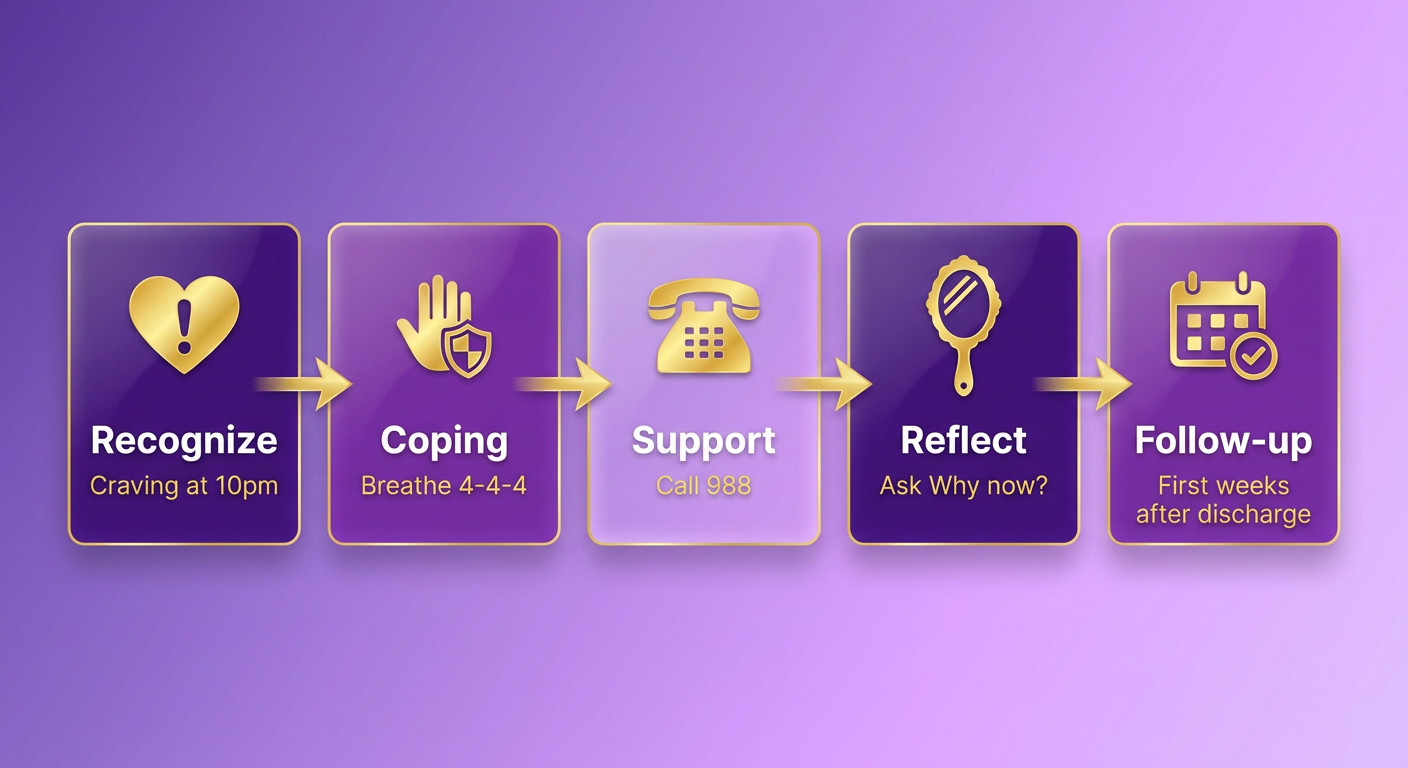
What Goes Into an Emergency Craving Response Plan
An effective emergency plan includes a physical pause action, a tiered contact list, and a clear contingency step. The pause action interrupts the immediate craving response and gives the urge time to ease.
The contact list should be organized by priority: an immediate peer contact, a secondary support person, and a professional resource. Building this list before discharge ensures contact information is ready when needed and avoids panic during a crisis.
Getting Help for Drug Addiction Cravings When They Peak
Deciding how to respond to persistent cravings must happen before a crisis begins. The contingency step might involve leaving a high-risk location, contacting a recovery coach, or attending a support group meeting.
Recovery planning also needs conceptual balance. Some frameworks emphasize addiction's chronic, disease-based nature to reduce shame, while research on relapse highlights environmental factors and individual choices. Acknowledging personal agency helps people take part in their own safety planning and make decisions under pressure.
For those using prescription support, clear rules for administration during high-stress periods are vital. Implementing safe medication management at home helps prevent dosing errors or impulsive decisions when cravings peak.
Integrating Relapse Prevention Strategies Into Daily Life
Long-term success depends on weaving recovery strategies into daily routines, not saving them for crises. Clinical consensus shows relapse prevention skills work best when they become normal habits in daily life.
This shift requires moving from a written plan to daily action. Building these practices into morning routines, physical activity, and social interaction helps keep them top of mind.
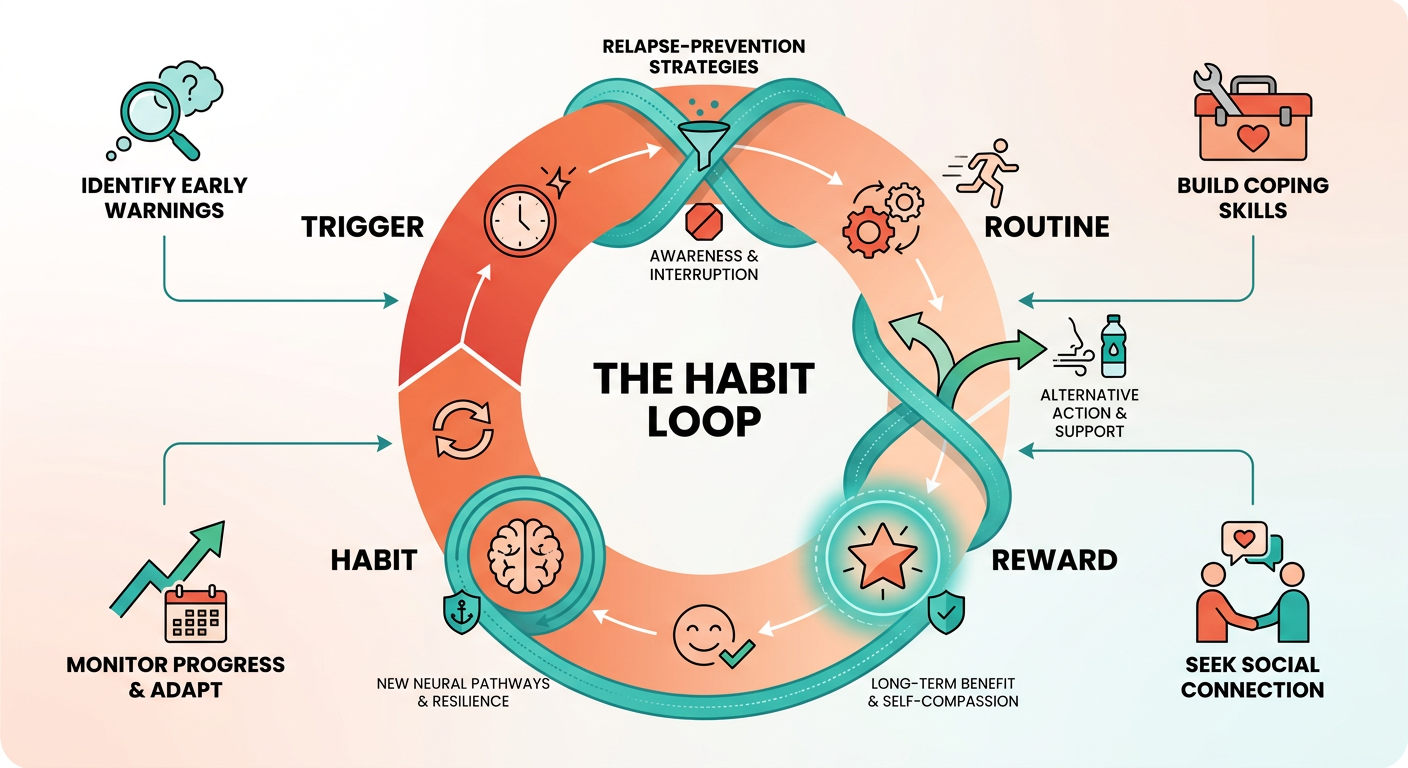
How Healthy Habits Support Relapse Prevention
Physical wellness directly shapes emotional stability and resilience. Regular meals and physical activity help stabilize blood sugar and reduce stress, addressing two common physiological vulnerabilities that can lead to cravings.
Structured, meaningful activities also help manage unstructured time. Building new hobbies and interests is a core part of creating a lifestyle that supports recovery.
For people managing ongoing prescriptions, daily organization helps. A consistent home medication safety routine keeps things orderly and reduces decision fatigue.
Why Your Digital Environment Belongs in the Plan
Managing digital exposure matters just as much as securing the physical home. Online interactions and media consumption can act as powerful cues, so digital spaces should be curated to support recovery goals.
This means actively adjusting social media feeds, messaging apps, and online subscriptions. Removing access to networks tied to past substance use and limiting triggering content helps maintain a supportive home environment.
What Kind of Support Network Actually Holds
Long-term stability relies on transition support that continues beyond initial clinical care. Peer support groups and recovery coaching provide ongoing guidance as people face real-world challenges.
A balanced support network addresses both the clinical and personal sides of recovery. Seeing relapse as a predictable stage of a chronic condition helps reduce stigma and supports continued engagement. Personal accountability helps people make active, positive choices. A supportive community reinforces that balance and encourages daily recovery practices.
Frequently Asked Questions
Q: What is the most common cause of relapse after rehab? A: Multiple factors contribute, but interpersonal conflict and social pressure are consistently cited as primary triggers. Environmental cues, people, places, and things associated with past use also play a significant role, often triggering cravings automatically and below conscious awareness.
Q: How long does the risk of relapse remain high after treatment? A: The first year carries the highest risk, with studies showing 40-60% of individuals relapse during this period. However, post-acute withdrawal syndrome can persist for up to two years, meaning neurobiological vulnerability extends well beyond the initial months.
Q: How can family members help prevent relapse at home? A: Family members can help by securing medications in a locked cabinet, participating in family therapy, maintaining open communication, and supporting the daily routine without enabling. Creating a home environment free of triggers and reducing interpersonal conflict are also critical.
Q: What should I do if I experience a sudden, intense craving? A: Use a pre-written emergency response plan that includes a physical pause action, a tiered contact list, and a clear contingency step. Techniques like urge surfing, observing the craving as a temporary wave that rises and falls, can help you tolerate discomfort without acting on it.
Q: Are digital triggers really a concern for relapse? A: Yes. Research shows social media and online content trigger relapse at nearly the same rate as financial stress. Managing digital feeds, unfollowing contacts associated with past use, muting triggering accounts, and setting screen-time boundaries is as important as securing the physical home environment.
Q: How long should medication safety protocols remain in place? A: At minimum, throughout the first year of sobriety. Because neurobiological recovery is a long-term process, keeping physical safeguards active helps protect the individual during the transition back to independent living.
Q: What's the difference between a relapse and a lapse? A: A lapse is a single, isolated instance of use. A relapse is a return to uncontrolled substance use after a period of abstinence. Early intervention during a lapse, using the emergency response plan and reaching out to support contacts, can prevent it from escalating into a full relapse.
Q: Can someone recover from a relapse? A: Yes. A relapse does not erase the progress made during treatment. It shows what needs to change in the recovery plan, whether that's adjusting the support network, changing the home environment, or addressing missed underlying issues.
References
[1] Addiction Relapse: Risk Factors, Coping & Treatment Options - https://americanaddictioncenters.org/treat-drug-relapse
[2] Common Relapse Triggers and How to Avoid Them - https://www.gatewayfoundation.org/blog/triggers-in-addiction-recovery/
[3] 3 Tips to Prevent Relapse & Stay Sober After Rehab - https://phoenixfl.org/3-tips-to-prevent-relapse-stay-sober-after-rehab/
[4] Relapse Prevention (RP) (MBRP) - https://www.recoveryanswers.org/resource/relapse-prevention-rp/
[5] Relapse Prevention and the Five Rules of Recovery - PMC - NIH - https://pmc.ncbi.nlm.nih.gov/articles/PMC4553654/
[6] Relapse Prevention Plan: Strategies and Techniques for Addiction - https://americanaddictioncenters.org/rehab-guide/aftercare/relapse-prevention
[7] An Analysis of the Causes of Relapse Among Individuals ... - https://www.researchgate.net/publication/403442717_An_Analysis_of_the_Causes_of_Relapse_Among_Individuals_with_Substance_Abuse
[8] (PDF) Environmental Impact on Relapse and Motivation ... - https://www.researchgate.net/publication/374073842_Environmental_Impact_on_Relapse_and_Motivation_Recovery_Among_Drug_Addicts
Frequently Asked Questions
1. What is post-acute withdrawal syndrome (PAWS) and how does it differ from standard withdrawal?
PAWS is a neurobiological condition where withdrawal-like symptoms, such as mood swings, cognitive fog, sleep disruption, and reduced stress tolerance, persist after acute physical withdrawal ends. Unlike acute withdrawal, which resolves within days to weeks, PAWS symptoms can return in waves over time, making it a long-term recovery variable rather than a short-term detox issue.
2. What are the specific early warning signs of emotional relapse before cravings even appear?
Emotional relapse warning signs include isolating from sober contacts, declining meeting attendance, neglecting sleep or nutrition, bottling up emotions, and growing irritability without clear cause. These behaviors often precede any conscious thought about using by weeks. Identifying them requires regular, honest check-ins with a counselor or accountability partner rather than self-assessment alone.
3. How should someone in recovery handle unavoidable social events like weddings or holiday gatherings where alcohol is present?
High-risk social events require preparation, not avoidance. Bring a sober companion, pre-arrange an exit phrase, and drive separately so leaving remains an option. Alert one trusted person at the event in advance. Setting a firm departure time beforehand shifts you from reactive to prepared before pressure builds.
4. When is it appropriate to stop keeping medications in a locked cabinet after someone returns home from rehab?
There is no universal timeline, but most clinicians recommend maintaining locked storage through at least the first year post-discharge, which covers the highest-risk relapse window. The decision should involve the treatment team, rest on demonstrated stability, and change gradually, not as a reward tied to a program completion date or anniversary milestone.
5. What if someone in recovery lives alone without family available to manage medication access or provide daily accountability?
Solo recovery requires deliberately building external structure to replace household support. Options include a trusted sober contact holding medication keys, a pharmacy dispensing weekly blister packs, scheduled telehealth check-ins, and sober living peer communities. The absence of household support makes the external network more essential, not less. It must be built before discharge, not improvised after.
6. Does medication-assisted treatment (MAT) change how recovery medications should be stored or managed at home?
MAT medications like buprenorphine carry their own diversion and misuse risks, making secure storage equally critical. Some prescribers use daily dispensing or observed dosing to address this. For at-home management, locked storage still applies. The household member managing access should coordinate directly with the prescribing clinician to align handling protocols with the treatment plan.
7. Can overhauling the home environment too thoroughly create dependency on a controlled setting, making outside environments harder to manage?
Over-controlled environments reduce short-term exposure risk while potentially delaying real-world coping skill development. Home modifications are most effective as a bridge during early, fragile recovery, not a permanent arrangement. Gradual, supported exposure to ordinary environments should begin as stability improves, typically in coordination with a treatment team, so external coping skills develop alongside the protected home space.